Discover nutritious and easy chicken recipes healthy meal ideas that help you enjoy balanced, flavorful dishes while supporting a healthy lifestyle
Table of Contents
Chicken Recipes Healthy: Transform Your Weeknight Dinners Into Nutritious Masterpieces
Picture yourself standing at your kitchen counter on another hectic Tuesday evening. Your stomach’s rumbling, you’re mentally exhausted, and the last thing you want is to spend an hour preparing dinner. Yet here you are, wondering whether you’ll resort to ordering takeout again—sabotaging the wellness goals you set just weeks ago.
What if the answer to balanced eating actually fits within your real, busy life? What if creating restaurant-quality, nutritionally-sound meals takes less effort than you imagine?
This is precisely what makes chicken recipes healthy such a game-changer. You’re about to discover how straightforward it becomes to craft satisfying dishes that align with your wellness objectives while keeping your schedule intact.
Why Your Body Needs Lean Protein From Poultry
When you consume chicken, you’re getting more than just protein. You’re fueling your body with nutrients that work harder than you might realize.
A standard 3.5-ounce serving of boneless, skinless chicken breast delivers roughly 31 grams of protein—that’s substantial support for rebuilding muscle tissue after workouts and maintaining that satisfied feeling between meals. This isn’t just about the numbers; it’s about what happens in your body when you make this choice repeatedly.
Your metabolism gets a boost too. Digesting protein demands more energy than processing carbohydrates or fats, meaning your body actually burns calories just breaking down what you’ve eaten. Over months of consistent choices, this compounds into measurable results.
Beyond protein, chicken contains B vitamins that your brain craves. Vitamin B6 supports neurotransmitter production, keeping your mental energy consistent throughout the day. Niacin and B12 work together to convert food into usable energy, while selenium provides antioxidant protection at the cellular level.
The versatility aspect matters equally. Unlike more restrictive protein sources, chicken adapts to any flavor profile—Mediterranean herbs, Asian spices, Mexican seasonings—meaning you won’t experience that dietary monotony that derails most people’s nutrition plans.
Chicken Recipes Healthy:The Game-Changing Sheet Pan Method
Here’s something that transforms your weeknight reality: the sheet pan approach eliminates multiple cookware items, reduces cleanup time, and somehow makes food taste better.
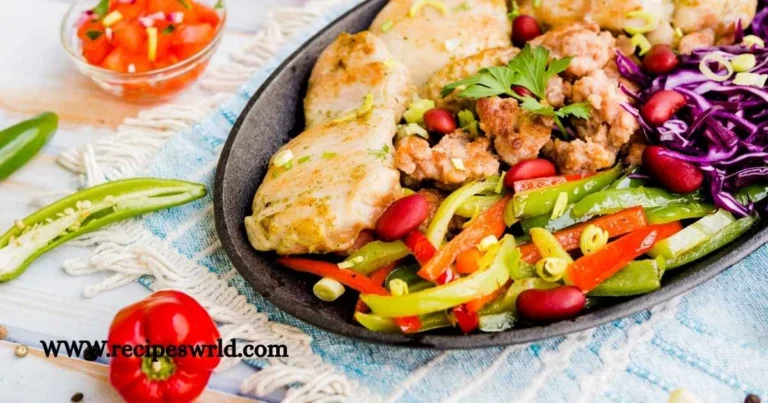
Your foundation: 4 boneless chicken breasts, sliced to even thickness. Arrange them on a sheet pan alongside vegetables that roast at the same temperature—broccoli florets, bell pepper strips, quartered sweet potatoes.
Toss everything with 2 tablespoons of extra virgin olive oil, then season generously. Fresh rosemary, thyme, minced garlic, cracked black pepper. The technique here matters: pat your chicken completely dry before seasoning. Moisture prevents browning, so this single step transforms your results.
Slide the entire pan into a 400°F oven for exactly 22-25 minutes. You’re looking for the chicken to register 165°F on an instant-read thermometer—the precise temperature that ensures safety while maintaining juiciness.
What emerges 25 minutes later surprises people. The chicken develops a light golden exterior through something called the Maillard reaction—that’s the chemical process creating complex flavor compounds from proteins and sugars reacting under heat. Your vegetables caramelize around the edges, creating natural sweetness that needs no sauce.
This single meal provides complete balanced nutrition: lean protein for satiety and muscle support, complex carbohydrates from sweet potatoes offering sustained energy, and abundant micronutrients from colorful vegetables. You’ve built a framework your body recognizes as genuinely nourishing.
Mediterranean Inspiration for Restaurant-Quality Results
Your taste buds deserve satisfaction, and Mediterranean-style preparations deliver exactly that while supporting your wellness journey.
Imagine this scenario: chicken thighs (yes, thighs—higher fat content keeps them impossibly tender) nestled into a baking vessel alongside cherry tomatoes, kalamata olives, red onion, and fresh oregano. Instead of complicated cooking, you’re combining everything in one dish, adding a simple olive oil and lemon dressing, then letting your oven handle the work.
The magic unfolds gradually. Heat breaks down tomato cell walls, releasing lycopene—a pigment with remarkable antioxidant properties. The olives contribute polyphenols that fight inflammation throughout your body. Oregano, often dismissed as merely decorative, actually ranks among herbs with highest antioxidant activity.
Your finished dish contains roughly 380 calories, 28 grams of protein, and healthy fats that keep you satisfied for hours. More importantly, it tastes like something you’d order at a nice restaurant, demolishing the myth that healthy eating requires deprivation.
The reason this approach works: Mediterranean populations enjoy some of the world’s longest lifespans and lowest disease rates. You’re not following a restrictive fad; you’re adopting patterns backed by decades of longevity research.
Quick Weeknight Stir-Fries: Speed Meets Nutrition
On nights when you’ve got perhaps 25 minutes between obligations, stir-frying becomes your greatest ally.
Start by preparing all ingredients before heat touches your pan—this is called mise en place, and it’s the single biggest factor separating restaurant results from kitchen frustration. Dice your chicken into uniform pieces, slice vegetables into consistent sizes, combine your sauce ingredients.
When your wok or large skillet reaches shimmering temperature with a teaspoon of sesame oil, your chicken hits the surface. You’re aiming for golden-brown exterior while maintaining a barely-pink center—roughly 6-7 minutes constant movement with a wooden spoon.
Remove the chicken temporarily. Same pan, increased heat, your vegetables get their moment. Snap peas, carrots, and broccoli hit the pan in stages based on how long they need to cook. The snap peas require mere seconds; carrots go in first with their longer cooking time.
Add your sauce—low-sodium soy sauce, fresh ginger, minced garlic, rice vinegar—and return the chicken. One final minute of combined cooking melds everything into a cohesive dish.
What makes this nutritionally superior: your vegetables spend minimal time under heat, preserving vitamins that dissipate during prolonged cooking. You’ve created genuine whole-food nutrition that tastes indulgent while containing a fraction of the calories in takeout versions.
Make-Ahead Strategies That Actually Stick
Knowing healthy meals await in your refrigerator fundamentally changes your decision-making when stress hits.
Sunday preparation sessions—even just an hour of focused cooking—transform your entire week. You might roast four chicken breasts with seasoning. Separately, you’re preparing components: cooked grains, roasted vegetables, simple sauces. You’re not creating repetitive meals; you’re building blocks that mix and match into different combinations.
Monday’s lunch becomes Mediterranean Bowl: sliced chicken, quinoa, roasted vegetables, crumbled feta, lemon dressing.
Tuesday shifts to Asian-inspired: same chicken, brown rice, stir-fried vegetables, sesame-ginger dressing.
Wednesday opts for breakfast-inspired preparation: shredded chicken mixed with eggs, peppers, and herbs for quick morning scrambles.
This flexibility prevents the burnout that kills most meal-prep plans. You’re not eating identical meals; you’re creating variation within a structured framework.
Container selection matters more than people realize. Portion into glass containers—these maintain temperature more evenly when reheating and don’t absorb odors or stains. Cooked chicken keeps safely for 3-4 days refrigerated or freezes beautifully for up to four months.
Building Balanced Plates That Support Your Goals
Every plate you create should tell a nutritional story with distinct components.
Fill half your plate with vegetables. This isn’t arbitrary advice; it’s based on volume and nutrient density. Aim for color variety—dark leafy greens provide iron and calcium, orange vegetables offer beta-carotene, cruciferous options deliver sulforaphane compounds with potential cancer-preventive properties. You’re not just filling space; you’re creating a micronutrient safety net.
Your protein quarter comes from roughly 4 ounces of prepared chicken. This delivers complete amino acids alongside B vitamins and minerals without excessive calories.
The remaining quarter features whole grains or starchy vegetables—brown rice, quinoa, sweet potato, oats. These aren’t the enemy despite what various trending diets suggest. Complex carbohydrates fuel your brain and muscles while providing fiber that keeps your digestive system functioning optimally.
The ratio matters because it naturally controls portions without requiring constant calorie counting. By prioritizing volume from vegetables and protein, you’re full before excessive calories become an issue.
Chicken Recipes Healthy: Smart Shopping Without Breaking Your Budget
Quality nutrition doesn’t mandate premium prices when you approach shopping strategically.
Whole chickens cost 20-30% less per pound than individual parts. Sunday roasting a five-pound bird delivers Monday dinner, Tuesday sandwiches, Wednesday soup—and a carcass for mineral-rich broth. That’s four separate meals from a single purchase.
Chicken thighs, often overlooked, provide better value and superior flavor compared to pricier breasts. They’re less likely to dry out, making them ideal for less-experienced cooks. Drumsticks frequently appear on sale; grab them and freeze for later braising projects.
Compare cost per ounce rather than per package. A seemingly inexpensive package might cost more per pound than higher-priced alternatives. Warehouse stores offer better per-unit pricing if your family size justifies membership.
Fresh versus frozen represents a false choice. Flash-freezing locks in nutrients immediately; thawed chicken provides identical nutrition to fresh. Buy when prices drop, portion into meal-sized containers, and freeze. You’ve eliminated waste while building inventory.
Answers to Your Lingering Questions
How much chicken should you actually eat? Federal guidelines suggest 5.5-6.5 ounces of protein daily for adults. One chicken breast covers most of this; pair it with other protein sources throughout your week—fish, eggs, legumes—for dietary diversity and varied nutrient intake.
Can you include skin for flavor? Absolutely. While skin adds roughly 50 calories and 5 grams of fat per serving, this fat composition includes beneficial monounsaturated varieties. Enjoy skin-on preparations several times weekly; remove it other occasions. The key is fit this within your overall nutrition pattern.
What’s the moistness secret? Remove chicken exactly at 165°F—even five degrees higher causes noticeable dryness. Marinating for 2-4 hours in acidic mixtures (lemon juice, vinegar) breaks down proteins, increasing tenderness. Thighs naturally outperform breasts due to higher fat content.
Does freezing damage nutrition? Not meaningfully. Flash-frozen chicken maintains nutrients comparably to fresh, assuming proper storage. Cool cooked chicken completely before freezing; portion into meal sizes; label with dates. Properly frozen cooked chicken keeps 3-4 months.
Your Action Plan Starts Today
You now possess frameworks that work within actual human schedules. You’ve learned that chicken recipes healthy enough to support your objectives genuinely exist—they’re not mythical dietary unicorns.
This week, commit to one sheet pan dinner. Choose vegetables you genuinely enjoy, season generously, and notice how straightforward creating satisfying nutrition becomes. Next week, attempt a batch-cooking session. Dedicate 60 minutes Sunday afternoon, and watch your weeknight stress evaporate.
Document what you discover. Which flavor combinations resonate? Which vegetables surprise you? This personalization transforms eating well from generic obligation into genuine pleasure.
Your body responds to consistency more than perfection. One healthy chicken recipe prepared impeccably matters less than sustainable patterns you maintain across months. Start somewhere, start simple, start now.
Which recipe calls to you most compellingly? Begin there. Share your experience in the comments—your results might inspire someone else navigating this identical journey. You’re not alone in seeking nutrition that fits real life, and your success story becomes permission for others to begin their own transformation.
The weekend approaches. Your opportunity awaits. Which dish will you prepare first?