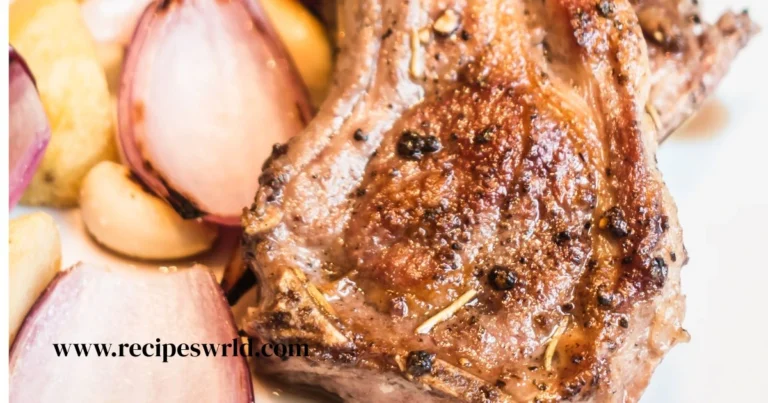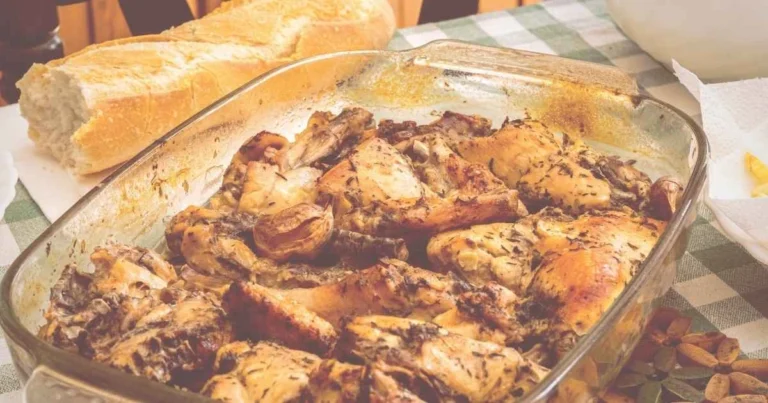
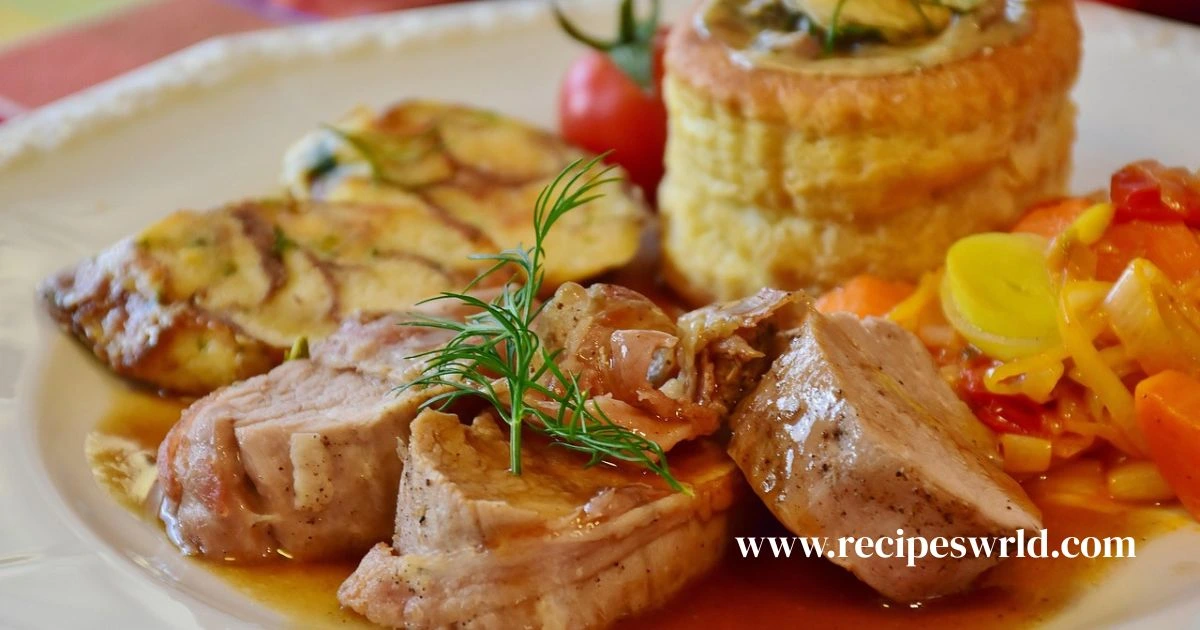
How to Cook Turkey Tenderloin – A simple guide explaining different cooking methods and key preparation tips.
Table of Contents
How to Cook Turkey Tenderloin: The Complete Guide to Tender, Juicy Results Every Time
Picture this: It’s a Wednesday evening, and you’re staring at your kitchen counter, wondering how to transform that lean package of turkey tenderloin into something your family will actually remember. You’ve overcautiously cooked chicken breasts a hundred times, watched them turn into rubbery disappointments, and you’re determined not to repeat that mistake tonight.
Here’s the truth—turkey tenderloin doesn’t have to be intimidating. This underrated cut can become your secret weapon for weeknight dinners that feel effortless yet impressive. Whether you’re navigating busy schedules, watching your waistline, or simply craving something different from the usual rotation, mastering this protein opens up a world of possibilities.
Let’s walk through everything you need to transform turkey tenderloin from a grocery store question mark into your new favorite meal.
What Makes Turkey Tenderloin Special?
Turkey tenderloin comes from the innermost part of the turkey breast—think of it as the prime real estate of poultry. This boneless, skinless cut weighs between one and one-and-a-half pounds, feeding four to six people comfortably.
What sets it apart? The nutritional profile speaks volumes. You’re looking at roughly 125 calories per four-ounce serving, packed with 28 grams of protein and barely one gram of fat. Compare that to pork tenderloin or even chicken breast, and you’ll notice turkey tenderloin stands out as the leaner option without sacrificing flavor potential.
The texture is naturally tender (hence the name), cooking faster than a full turkey breast while remaining incredibly versatile. Your grocery budget will appreciate it too—typically ranging from $4 to $8 per pound depending on your location and whether you choose organic options.
Preparation: Setting Yourself Up for Success
Selecting Your Turkey Tenderloin
Stand at the meat counter and look for tenderloins with a light pink hue—avoid anything with gray undertones or excessive liquid in the package. Check the sell-by date, giving yourself at least three days of wiggle room. Fresh always beats frozen when possible, but frozen works perfectly if you plan ahead for proper thawing.
The Thawing Process
Never, and I mean never, thaw your turkey tenderloin on the counter. Food safety isn’t just paranoia—it’s the difference between a great meal and a miserable night. Place frozen tenderloin in your refrigerator for 24 hours, or submerge it (still sealed) in cold water, changing the water every 30 minutes. Budget about 30 minutes per pound using the cold water method.
Trimming and Prep Work
Pull your tenderloin from the refrigerator 15-20 minutes before cooking. This room temperature rest ensures even cooking throughout. You’ll notice a silvery membrane running along one side—grab a sharp knife and carefully slide it under this tendon, pulling it away as you cut. This silver skin turns chewy when cooked, so removing it now saves you trouble later.
Pat the meat completely dry with paper towels. This step matters more than you’d think—moisture prevents proper browning, and that golden crust adds tremendous flavor.
The Brining Advantage
Here’s where good becomes exceptional. Even a quick 30-minute brine transforms lean turkey tenderloin from potentially dry to reliably juicy.
Quick Brine Formula:
| Ingredient | Amount |
|---|---|
| Warm water | 4 cups |
| Kosher salt | ¼ cup |
| Brown sugar | 2 tablespoons |
| Crushed garlic | 4 cloves |
| Black peppercorns | 1 tablespoon |
Dissolve the salt and sugar in warm water, add aromatics, then chill the mixture completely before submerging your tenderloin. Let it soak for 30 minutes to 2 hours maximum. Any longer with this concentration risks overly salty meat. Rinse thoroughly and pat dry before proceeding.
Method 1: Classic Oven Roasting
Oven roasting delivers foolproof results with minimal hands-on time—perfect for multitasking through dinner prep.
Preheat your oven to 375°F. While it heats, season your tenderloin generously. A simple blend works wonders:
- 2 tablespoons olive oil
- 1 teaspoon garlic powder
- 1 teaspoon smoked paprika
- 1 teaspoon dried thyme
- 1 teaspoon salt
- ½ teaspoon black pepper
Rub this mixture all over the meat. Heat an oven-safe skillet over medium-high heat with a drizzle of oil. Sear the tenderloin for 2-3 minutes per side until golden brown—this caramelization builds incredible depth of flavor.
Transfer the entire skillet to your preheated oven. Roast for 20-25 minutes, checking the internal temperature around the 20-minute mark. You’re aiming for exactly 165°F in the thickest part. Pull it out immediately when it hits 160-163°F—the temperature will climb another few degrees during resting.
Let the meat rest on a cutting board for 5-10 minutes. This waiting period allows juices to redistribute throughout the meat instead of spilling out when you slice. Your patience here pays dividends in moisture.
Method 2: Quick Stovetop Technique
When time is tight, the stovetop becomes your best friend. This method takes just 15-20 minutes from start to finish.
Heat a heavy-bottomed skillet or cast-iron pan over medium-high heat. Add two tablespoons of oil—choose something with a high smoke point like avocado or grapeseed oil. Once the oil shimmers (but before it smokes), add your seasoned tenderloin.
Sear without moving it for 4 minutes. Flip and sear another 4 minutes on the opposite side. Reduce the heat to medium, cover the pan with a lid, and continue cooking for 8-10 minutes, flipping once halfway through.
Check your temperature. When it reads 165°F, transfer to a plate and tent loosely with foil. Rest for 5 minutes before slicing against the grain into medallions.
Method 3: Set-and-Forget Slow Cooker
Busy days demand solutions that don’t require constant attention. Enter the slow cooker—your ticket to falling-apart tender turkey with zero babysitting.
Slow Cooker Formula:
| Ingredient | Amount |
|---|---|
| Turkey tenderloin | 1.5 lbs |
| Low-sodium chicken broth | ¾ cup |
| Sliced onion | 1 medium |
| Chopped carrots | 2 large |
| Minced garlic | 4 cloves |
| Italian seasoning | 2 teaspoons |
| Salt and pepper | To taste |
If you have five extra minutes, brown the tenderloin in a skillet first—this optional step adds richness but isn’t mandatory. Place everything in your slow cooker. Cook on low for 6-7 hours or high for 3-4 hours.
The beauty here? The longer cooking time at lower temperature makes it nearly impossible to dry out the meat. The surrounding liquid and aromatics create a self-basting environment.
Method 4: Grilling for Summer Vibes
Fire up your grill when the weather cooperates. The smoky char adds a dimension impossible to achieve indoors.
Preheat your grill to medium-high (around 400-450°F). Marinate your tenderloin for at least 2 hours before grilling—the open flame can dry lean meat quickly, so that flavor-packed marinade serves double duty for taste and moisture.
Quick Marinade:
- ⅓ cup olive oil
- ¼ cup balsamic vinegar
- 3 tablespoons honey
- 4 minced garlic cloves
- 2 teaspoons fresh rosemary
- Salt and pepper
Oil your grill grates well. Place the tenderloin over direct heat for 5-6 minutes per side to develop those gorgeous grill marks. Move to indirect heat (or reduce temperature), close the lid, and continue cooking until your thermometer reads 165°F—typically another 10-12 minutes.
Method 5: Air Fryer Speed
Your air fryer isn’t just for frozen foods. It creates a beautifully crisp exterior while maintaining interior juiciness, all in about 20 minutes.
Preheat your air fryer to 360°F. Brush the tenderloin with a thin layer of oil and season as desired. Place it in the basket without overcrowding—if your tenderloin is particularly large, you might need to cook it at an angle or cut it in half.
Cook for 10 minutes, flip, then continue for another 10-12 minutes. Start checking temperature at the 18-minute mark. The compact heating environment of an air fryer can vary between brands, so your first attempt might require slight timing adjustments.
Temperature: Your Non-Negotiable Rule
Everything discussed above hinges on one critical tool: an instant-read thermometer. Visual cues lie. Cooking times fluctuate based on your equipment, altitude, and starting temperature of the meat. Only temperature tells the truth.
The USDA mandates 165°F for all poultry. Insert your thermometer into the thickest part of the tenderloin, avoiding contact with the pan. When it reads 160-163°F, remove from heat. Carryover cooking—the phenomenon where residual heat continues cooking meat after removal from the heat source—will bring it to 165°F during resting.
Overcooking by even 10 degrees turns your tenderloin from juicy to jerky. This margin is unforgiving with such lean meat, making that $20 thermometer investment one of the smartest purchases in your kitchen arsenal.
Avoiding Common Pitfalls
Mistake: Skipping the sear. That initial high-heat contact triggers the Maillard reaction—the chemical process creating hundreds of new flavor compounds. Even if you’re finishing in an oven or slow cooker, those 2-3 minutes of searing matter tremendously.
Mistake: Cutting immediately. Patience isn’t just a virtue; it’s the difference between a puddle of juices on your cutting board and a moist, delicious slice of turkey. Always rest your meat.
Mistake: Ignoring the grain. Look closely at your cooked tenderloin—you’ll see parallel lines running through the meat. These are muscle fibers. Slice perpendicular to these lines (against the grain) for maximum tenderness. Cutting with the grain leaves you chewing through long, tough fibers.
Flavor Combinations Worth Trying
Once you’ve nailed the basic technique, experiment with these seasoning profiles:
Mediterranean Magic: Fresh oregano, lemon zest, garlic, olive oil, and cracked black pepper
Asian-Inspired: Soy sauce, fresh ginger, sesame oil, honey, and a splash of rice vinegar
Southwestern Kick: Cumin, chili powder, lime juice, cilantro, and smoked paprika
Classic Thanksgiving: Sage, thyme, rosemary, butter, and a touch of maple syrup
What to Serve Alongside
Turkey tenderloin pairs beautifully with practically any side dish, but certain combinations elevate the entire meal:
- Roasted vegetables: Brussels sprouts, carrots, or asparagus develop caramelized edges in a hot oven
- Mashed potatoes: Classic comfort that never disappoints
- Wild rice pilaf: Nutty flavors complement turkey’s mild taste
- Fresh salads: A crisp mixed green salad with cranberries and candied pecans adds brightness
Making the Most of Leftovers
Cooked turkey tenderloin stays fresh in your refrigerator for 3-4 days. Slice or dice it for:
- Turkey and avocado sandwiches with cranberry mayo
- Chopped salads with dried fruit and nuts
- Quick weeknight tacos with fresh salsa
- Hearty turkey noodle soup
- Stir-fries loaded with vegetables
Your Turn to Create Magic
You now possess everything needed to confidently cook turkey tenderloin using whichever method suits your schedule and equipment. Start with the straightforward oven method, grab that meat thermometer, and trust the process.
The beauty of mastering this technique extends beyond a single meal. You’re building a foundation of skills—temperature control, proper seasoning, understanding carryover cooking—that translate across countless recipes.
Stop second-guessing yourself at the grocery store. Pick up that turkey tenderloin, choose your cooking method, and prepare to impress yourself with results that rival any restaurant. Your weeknight dinners just got infinitely more interesting.
Ready to put this knowledge into action? Try the oven-roasted method tonight and share your results. What seasonings did you choose? Did your family ask for seconds? Drop a comment below with your experience—your insights might help someone else gain the confidence to try it themselves.