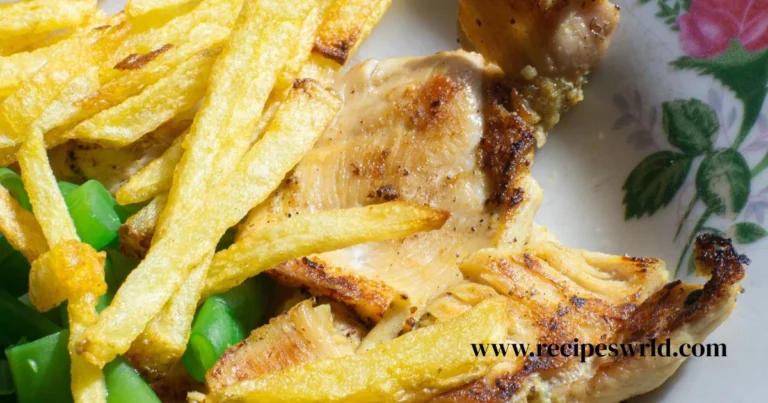
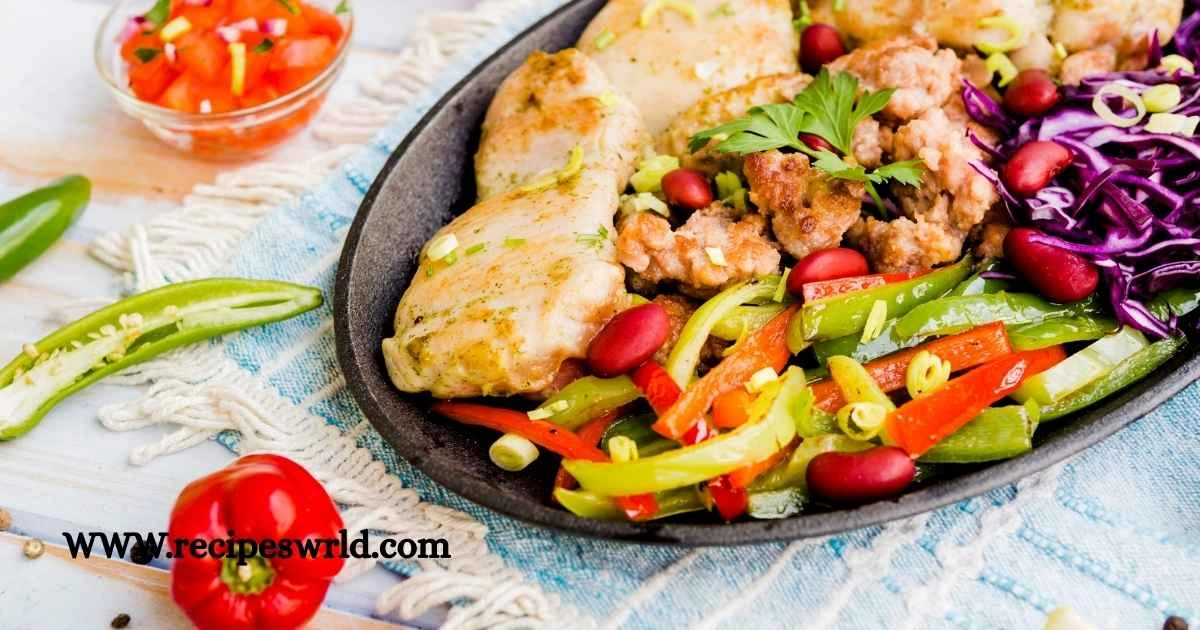
healthy food recipes with chicken breast: Simple, nutritious meal ideas using lean chicken breast to help you cook balanced, wholesome dishes at home.
Table of Contents
Healthy Food Recipes with Chicken Breast: Transform Your Kitchen with Simple Nutritious Meals
The Challenge You Face Every Evening
You open your fridge at 5 PM, searching for something quick, nutritious, and genuinely delicious. That chicken breast sitting on the shelf seems like the obvious choice—it’s lean, it’s affordable, and it promises to be healthy. Yet somehow, you end up with the same tired preparation you’ve made countless times before. Dry, bland, uninspiring. Sound familiar?
The reality is that millions of home cooks struggle with this exact frustration. You want to serve balanced, wholesome dishes without spending your entire evening in the kitchen or relying on takeout. The good news? Lean chicken breast is one of your most powerful culinary tools once you understand how to work with it properly.
Why Lean Chicken Breast Deserves a Permanent Place in Your Diet
Before diving into cooking methods, let’s talk about why healthy food recipes with chicken breast should become your go-to protein source.
A single medium chicken breast delivers approximately 46 grams of high-quality protein while containing just 200 calories. This impressive protein-to-calorie ratio makes it ideal whether you’re trying to maintain muscle, lose weight, or simply build a stronger body. Your muscles need protein to repair and grow, especially after workouts, and chicken breast provides the amino acids your body craves without excessive fat or calories.
What makes chicken breast particularly valuable is its versatility. Unlike beef or pork, chicken adapts beautifully to virtually any cuisine—from Mediterranean to Asian, from spicy to mild. This flexibility means you won’t bore yourself eating the same flavor profile night after night. Your taste buds stay engaged, which makes consistency easier to maintain.
Beyond the numbers, chicken breast is remarkably budget-friendly. When you’re building healthy eating habits that actually stick, affordability matters. You can purchase quality protein without emptying your wallet, making sustainable nutrition an achievable goal rather than a luxury.
Seven Simple, Nutritious Meal Ideas Using Lean Chicken Breast
Let’s explore recipes that transform ordinary chicken into extraordinary meals.
Mediterranean Herb-Grilled Chicken with Roasted Vegetables
Imagine bringing restaurant-quality flavors into your kitchen in under 30 minutes. This approach combines fresh herbs, citrus brightness, and caramelized vegetables into one harmonious plate.
Start by creating a simple marinade: combine extra virgin olive oil, fresh lemon juice, minced garlic, and Mediterranean herbs like rosemary and thyme. Submerge your chicken breast for just 30 minutes. This short marinating window allows flavors to penetrate while maintaining moisture.
While your protein marinates, cut zucchini lengthwise, slice bell peppers into strips, and halve cherry tomatoes. Arrange everything on a sheet pan, toss lightly with olive oil, and season with sea salt and pepper. Your meal practically cooks itself—chicken on the grill for 6-8 minutes per side while vegetables roast alongside at 400°F. The result? Tender, juicy poultry paired with caramelized vegetables that burst with natural sweetness.
This combination delivers approximately 465 calories and 51 grams of protein per serving, making it ideal for anyone watching their intake while maintaining muscle.
Asian-Inspired Teriyaki Chicken Stir-Fry
Craving something with more complex flavor? Stir-frying delivers restaurant-caliber results in roughly 15 minutes from start to finish.
Cut your chicken into one-inch cubes and prepare your vegetables: broccoli florets, snap peas, and julienned carrots work beautifully. The key to successful stir-frying is having everything prepped before you start cooking—once the heat is on, things move quickly.
Mix low-sodium tamari with toasted sesame oil, fresh ginger, and minced garlic to create your sauce. Heat a wok or large skillet over high heat until it’s genuinely hot, then cook your chicken until it’s nearly done (about 5-6 minutes). Add vegetables and maintain that high heat for 3-4 minutes, keeping everything crisp rather than mushy. Pour in your sauce and toss everything together for the final minute.
The beauty here? You’re creating a perfectly balanced meal with lean protein, nutrient-dense vegetables, and complex carbohydrates in a single pan. Each serving contains approximately 560 calories and 62 grams of protein—substantial enough to power you through demanding afternoons.
Creamy Lemon Garlic Chicken Pasta with Spinach
Who says creamy pasta can’t be nutritious? This rendition swaps heavy cream for Greek yogurt, keeping the indulgence while removing the guilt.
Toast minced garlic in a skillet with thin-sliced chicken breast. Once your poultry is cooked through, add low-sodium chicken broth and fresh lemon juice—the acid prevents your yogurt from curdling when added later. Stir in Greek yogurt slowly, keeping temperatures moderate, then wilt fresh spinach directly into the sauce.
Toss everything with whole wheat pasta (or legume-based pasta for even more protein) and finish with freshly grated Parmesan. The result? A genuinely creamy dish at 788 calories per serving with 75 grams of protein. The spinach contributes iron and folate, nutrients your body desperately needs for energy production and cellular function.
Spicy Cilantro Lime Chicken Tacos with Cabbage Slaw
Simplicity often delivers the most memorable meals. Season shredded chicken with cumin and chili powder, sauté until edges are crispy, then finish with lime juice and fresh cilantro.
Rather than traditional flour tortillas, use butter lettuce leaves as wraps—instantly cutting carbohydrates while maintaining authentic flavors. Prepare a quick slaw by combining shredded red cabbage with julienned carrots and apple, then dress lightly with ranch made from Greek yogurt.
These tacos deliver bold, satisfying flavors without weighing you down. At 549 calories and 56 grams of protein per serving, they’re perfect for lunch or light dinner. The capsaicin in chili peppers even provides a small metabolic boost, though don’t expect dramatic effects.
Mastering the Fundamentals: Why Technique Matters
Most disappointing chicken experiences stem from a single problem: overcooking. Your lean protein contains minimal fat, which means any cooking mistake quickly results in a dry, disappointing texture.
The solution is straightforward: invest in an instant-read meat thermometer. Cook your chicken until the thickest part reaches 165°F—not 170°F, not 175°F. That three-degree difference is the gap between juicy and disappointing. Remove your poultry when it hits that target since carryover cooking will raise the temperature another 2-3 degrees while resting.
Speaking of resting, those 5-10 minutes after cooking aren’t optional. During this window, muscle fibers relax and reabsorb moisture, transforming your results from good to genuinely exceptional. Slice against the grain to further enhance tenderness—the muscle fibers separate rather than resist your bite.
Marinating deserves special attention. A simple combination of acid (lemon juice, vinegar, or yogurt), oil, and seasonings penetrates your protein over 30-60 minutes, adding flavor and moisture simultaneously. This isn’t just about taste—it’s insurance against the dryness that plagues underseasoned chicken.
Building Your Meal-Prep Strategy
You don’t need hours on Sunday to prepare successful weekday meals. Instead, embrace a simplified approach.
Cook 2-3 pounds of chicken using your preferred method—grilling, baking, or pan-searing all work equally well. Cool completely, then store in airtight glass containers on your refrigerator’s lowest shelf. Your cooked chicken remains fresh for 3-4 days, which means you’ve solved dinner for almost a week.
Simultaneously, roast an assortment of vegetables: broccoli, Brussels sprouts, sweet potatoes, and bell peppers all store beautifully. Prepare one or two grains—brown rice and quinoa work perfectly—and you’ve created a mix-and-match system generating 10-15 different meal combinations from just 9 components.
This approach removes decision fatigue while maintaining nutritional excellence. Tuesday’s Mediterranean plate becomes Thursday’s Asian bowl without extra cooking.
Understanding Your Nutritional Needs
Healthy food recipes with chicken breast matter partly because of their protein content, but balanced nutrition involves more than just hitting protein targets.
Your body needs carbohydrates for energy, healthy fats for hormone production, and micronutrients for literally thousands of biological processes. When pairing chicken breast with sweet potatoes, you’re combining complete protein with complex carbohydrates rich in fiber and beta-carotene. Add olive oil and you’re facilitating absorption of fat-soluble vitamins.
Don’t fear the fats in foods like avocado or olive oil. These compounds support nutrient absorption, satiety, and hormone function. The goal isn’t fat elimination—it’s informed selection of nutrient-dense fats.
Avoiding the Mistakes Most Home Cooks Make
Beyond overcooking, several pitfalls derail your chicken preparations. Insufficient seasoning ranks near the top. Many people approach chicken as a blank canvas requiring minimal attention, yet even excellent protein needs flavor support. Taste your finished dish and adjust seasoning in the final moments—this step transforms adequate meals into memorable ones.
Skipping the preheat phase for pan-searing creates problems too. When your pan isn’t hot enough, moisture releases from your protein rather than developing the golden crust that signals proper browning. Give your pan 3-5 minutes over medium-high heat before adding your chicken.
Finally, many home cooks neglect acid components. Citrus juice, vinegar, or yogurt brightens flavors and prevents your finished dish from tasting flat. A single tablespoon of lemon juice often makes the difference between “good” and “why does restaurant food always taste better?”
Frequently Asked Questions
Can I eat chicken breast every day?
Absolutely. Rotation provides broader micronutrient coverage, but chicken breast is nutritionally complete enough for daily consumption. The USDA recommends 5-6 ounces of protein daily—perfectly manageable with chicken breast and complementary foods.
How do I prevent my chicken from becoming dry?
Marinating, brining, using meat thermometers, and respecting resting periods all contribute. Pan-searing with oil and avoiding overcooking remain your most effective strategies.
What’s the best storage approach?
Cool cooked chicken completely, then refrigerate in airtight containers for 3-4 days. Freeze in portions for up to three months, thawing overnight in your refrigerator before use.
Which cooking method is healthiest?
All methods work when executed properly. Grilling and baking use minimal added fat. Pan-searing provides superior flavor. Choose based on your schedule and preferences—consistency matters more than methodology.
Your Next Step Forward
You now possess the knowledge to transform lean chicken breast from an obligatory protein into genuinely exciting meals your family requests rather than tolerates. Start this week with whichever recipe resonates most strongly with you. Master that single approach, then gradually expand your repertoire.
The distinction between successful home cooks and perpetually frustrated kitchen dwellers isn’t talent—it’s consistency and willingness to learn from imperfect attempts. Your first teriyaki stir-fry might not match restaurant quality. Your initial attempt at perfectly cooked chicken might still run slightly dry. That’s completely normal.
What separates those who eventually excel from those who surrender is simple persistence. Each attempt teaches something. Each meal builds confidence and muscle memory.
Ready to transform your dinnertime routine? Select one recipe from this guide. Purchase your ingredients this week. Cook intentionally, measuring temperatures and respecting resting periods. Notice the difference proper technique creates. Then come back and try another.
Your journey toward nutritious, delicious home cooking starts with a single chicken breast and the confidence that you absolutely can do this.