Healthy baked goods: Read about better-for-you baked options made with wholesome ingredients.
Table of Contents
Healthy Baked Goods: Your Complete Guide to Better-for-You Baking with Wholesome Ingredients
Remember the last time you stood in your kitchen, craving something warm and freshly baked, but hesitated because you didn’t want to derail your wellness journey? That internal battle between desire and discipline feels exhausting, doesn’t it?
Here’s something that might surprise you: you don’t have to choose anymore. The world of healthy baked goods has evolved far beyond the cardboard-textured, joyless alternatives you might remember from years past. Today’s better-for-you baking uses wholesome ingredients that transform your favorite treats into nutritious options your body will actually thank you for. Your grandmother’s kitchen magic can coexist with your health goals, and that warm, comforting aroma filling your home doesn’t have to come with a side of guilt.
What Makes Baked Goods “Healthy”? Understanding the Wholesome Difference
Before you preheat that oven, let’s establish what truly qualifies as healthy baked goods. This isn’t about slapping a “healthy” label on anything and calling it a day. The distinction lies in the intentional selection of whole, minimally processed ingredients that deliver genuine nutritional value.
Traditional baked goods typically rely on refined white flour, excessive white sugar, and hydrogenated fats—ingredients that spike your blood sugar, provide empty calories, and leave you hungry again within an hour. Healthy baked goods flip this script entirely. They incorporate whole grain flours packed with fiber, natural sweeteners that won’t send your glucose levels on a rollercoaster ride, and wholesome fats that actually support your body’s functions.
The nutritional gap between conventional and wholesome baking is staggering. While a standard muffin might deliver 400 calories of refined carbohydrates with minimal nutrients, a thoughtfully crafted healthy version provides sustained energy through complex carbohydrates, keeps you satisfied with adequate protein and fiber, and delivers vitamins and minerals your body needs.
And here’s the truth nobody talks about enough: healthy doesn’t mean tasteless. That myth needs to be buried once and for all. With the right techniques and ingredient combinations, your healthy baked goods can rival—and sometimes surpass—their conventional counterparts in flavor and satisfaction.
The Wholesome Ingredients Revolution: What to Use and Why
Healthier Flour Alternatives for Your Healthy Baked Goods
Your flour choice creates the foundation for everything that follows. Swapping refined white flour for nutrient-dense alternatives transforms your baking from the ground up.
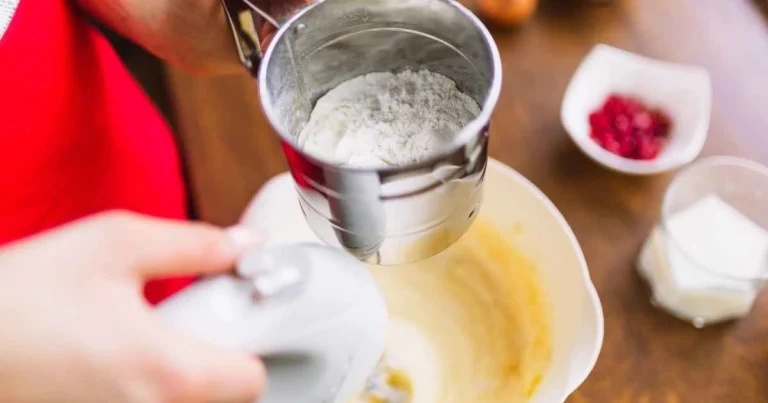
Whole wheat flour brings substantially more fiber and protein to your recipes. Unlike its refined cousin, it retains the bran and germ, delivering B vitamins, iron, and magnesium that processed flour strips away. Start by replacing half the white flour in your favorite recipes—this gradual approach helps your palate adjust while immediately boosting nutritional value.
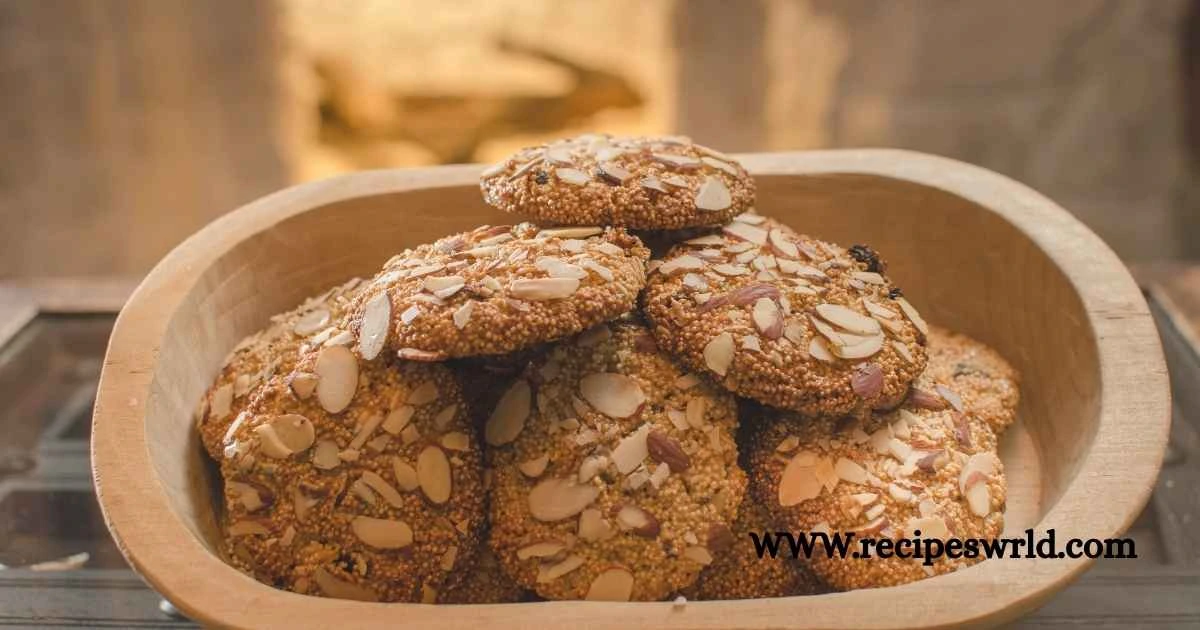
Almond flour has revolutionized gluten-free baking. Crafted from finely milled almonds, this option delivers nourishing fats, a rich dose of vitamin E, and a notably high protein profile. Your cookies and cakes gain a tender, slightly dense texture with a subtle nutty undertone that enhances rather than overwhelms other flavors.
Oat flour deserves special recognition for its heart-healthy beta-glucans, compounds scientifically proven to lower cholesterol levels. Making your own takes mere minutes—just pulse rolled oats in a blender until you achieve a fine powder. This budget-friendly option works beautifully in muffins, pancakes, and quick breads.
Coconut flour absorbs liquid like nothing else, meaning you’ll use far less than other flour alternatives. High in fiber and lower in digestible carbohydrates, it suits low-carb baking perfectly. Just remember: coconut flour requires additional eggs or binding agents to prevent crumbly results.
Natural Sweeteners That Make Healthy Baked Goods Delicious
Sugar reduction represents one of the most impactful changes you can make. The average American consumes roughly 17 teaspoons of added sugar daily—far exceeding the recommended limit. Your baking offers the perfect opportunity to break this cycle.
Maple syrup provides more than sweetness. This natural option contains antioxidants and minerals like manganese and zinc. Its distinct flavor profile enhances everything from granola bars to breakfast muffins, though you’ll need to reduce other liquids in your recipe slightly to compensate for its moisture content.
Honey brings antimicrobial properties and natural enzymes to your healthy baked goods. Beyond its health benefits, honey creates exceptionally moist results that stay fresh longer. Use it at about three-quarters the amount of white sugar, and reduce your oven temperature by 25 degrees to prevent over-browning.
Date paste represents the ultimate whole food sweetener. Blend pitted dates with water until smooth, and you’ve created a fiber-rich sweetening agent that adds subtle caramel notes to your recipes. This option works particularly well in energy bars and dense cakes.
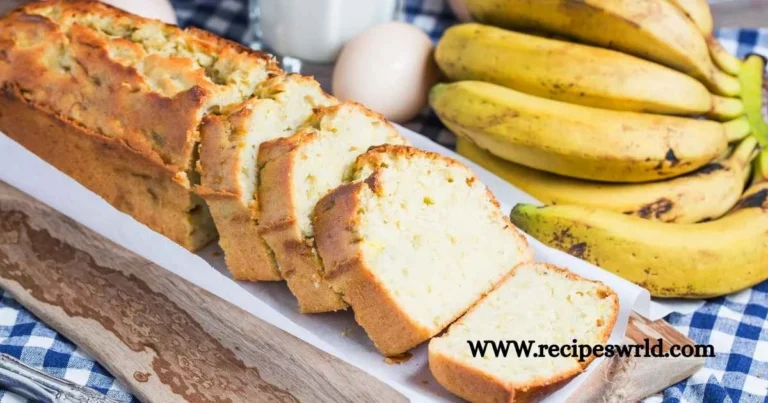
Mashed bananas serve double duty—they sweeten while adding moisture and natural binding properties. Overripe bananas with heavily speckled peels contain the highest sugar content and deliver the best results. Three medium bananas typically replace one cup of sugar in most recipes.
Healthy Fats for Better-for-You Baking
Fat gets an unfairly bad reputation. Your body needs quality fats for hormone production, nutrient absorption, and sustained energy. The key lies in choosing wisely.
Greek yogurt transforms your baking with its protein punch and probiotic benefits. Substitute it for half the butter or oil in your recipe, and watch your baked goods emerge tender and moist without the saturated fat load. Plain, unsweetened varieties work best—avoid flavored options loaded with added sugars.
Avocado might sound unconventional, but its creamy texture and mild flavor make it surprisingly versatile. The monounsaturated fats support heart health while creating incredibly fudgy brownies and rich chocolate cakes. Your guests won’t detect its presence, but they’ll notice the superior texture.
Coconut oil provides medium-chain triglycerides that your body processes differently than other fats. While still calorie-dense, it offers antimicrobial properties and works beautifully in recipes requiring solid fat. Use refined coconut oil when you want to avoid coconut flavor.
Nut butters enhance your healthy baked goods by adding protein, nourishing fats, and a deep, satisfying richness. Almond butter, peanut butter, and cashew butter each bring unique flavor profiles. They create satisfying cookies, energy bites, and breakfast bars that actually keep you full until your next meal.
Popular Healthy Baked Goods Recipes You’ll Actually Want to Eat
Whole Grain Banana Oat Muffins
These muffins prove that healthy baked goods can disappear from your counter just as quickly as conventional treats. The combination of whole wheat flour and oats delivers lasting energy, while bananas and honey provide natural sweetness that won’t crash your energy levels.
| Ingredient | Quantity | Health Benefit |
|---|---|---|
| Whole wheat flour | 1½ cups | Fiber, B vitamins |
| Rolled oats | 1 cup | Beta-glucans, heart health |
| Ripe bananas (mashed) | 3 medium | Natural sweetness, potassium |
| Greek yogurt | ½ cup | Protein, probiotics |
| Honey | ¼ cup | Natural sweetener, antioxidants |
| Eggs | 2 large | Protein, binding |
| Coconut oil (melted) | ¼ cup | Healthy fats |
| Baking soda | 1 tsp | Leavening |
| Cinnamon | 1 tsp | Blood sugar regulation |
| Walnuts (chopped) | ½ cup | Omega-3s, crunch |
Combine the dry ingredients in one bowl and the wet ingredients in a separate bowl. Combine them gently—overmixing creates tough muffins regardless of how wholesome your ingredients are. Divide among 12 muffin cups and bake at 350°F for 20-22 minutes. Each muffin contains approximately 180 calories and provides genuine nutrition that sustains you through your morning.
Flourless Peanut Butter Cookies
Sometimes simplicity wins. These cookies require just five ingredients and deliver impressive results that satisfy your sweet tooth while contributing actual nutrition.
| Ingredient | Quantity | Why It Works |
|---|---|---|
| Natural peanut butter | 1 cup | Protein, healthy fats |
| Coconut sugar | ½ cup | Lower glycemic sweetener |
| Egg | 1 large | Binding agent |
| Vanilla extract | 1 tsp | Flavor enhancement |
| Baking soda | ½ tsp | Leavening |
| Dark chocolate chips | ¼ cup (optional) | Antioxidants |
Combine everything until smooth, roll into balls, create the classic crosshatch pattern with a fork, and bake at 350°F for 10-12 minutes. You’ll enjoy cookies with approximately 90 calories and 4 grams of protein each—a far cry from empty-calorie alternatives.
Common Mistakes When Making Healthy Baked Goods (And How to Avoid Them)
Your journey into better-for-you baking comes with a learning curve. Anticipating these pitfalls saves frustration and wasted ingredients.
Over-substituting at once ranks as the most common mistake. Excitement about healthier options tempts you to swap every ingredient simultaneously, but this approach often yields disappointing results. Change one or two components at a time. Master whole wheat flour before experimenting with liquid sweeteners. This gradual progression builds your confidence and understanding.
Not adjusting liquid ratios derails many first attempts. Coconut flour absorbs significantly more moisture than all-purpose flour. Almond flour adds moisture. Whole wheat flour falls somewhere between. Each substitution requires thoughtful adjustment. When recipes turn out too dry or too wet, liquid ratios usually explain why.
Expecting identical texture sets you up for disappointment. Healthy baked goods offer different—not inferior—textures compared to conventional versions. Whole grain muffins provide heartier substance. Almond flour cookies deliver tender density rather than crispy lightness. Embrace these distinctions instead of viewing them as failures.
Using rancid nuts or flours ruins otherwise perfect recipes. Whole grain flours and ground nuts contain oils that turn rancid when improperly stored. Keep them in airtight containers in your refrigerator or freezer. Trust your nose—if something smells off, it probably is.
Overmixing alternative flour batters creates dense, tough results. Gluten-free and whole grain flours require gentler handling. Mix until just combined, leaving small lumps rather than pursuing perfectly smooth batter.
Storage and Meal Prep: Making Healthy Baked Goods Part of Your Routine
Batch baking transforms healthy treats from occasional indulgences into convenient everyday options. Your Sunday afternoon in the kitchen sets you up for effortless weekday breakfasts and snacks.
Most healthy baked goods actually freeze beautifully. Muffins, quick breads, cookies, and even some cakes maintain their quality for up to three months in your freezer. Individually wrap each portion in plastic wrap, then seal them inside freezer bags. You’ll grab single servings as needed without defrosting entire batches.
Cookie dough portions freeze particularly well. Scoop dough onto parchment paper, freeze until solid, then transfer to freezer bags. Bake directly from frozen, adding just a minute or two to the original baking time. Fresh cookies whenever you want them, without the full production every time.
Frequently Asked Questions About Healthy Baked Goods
Can healthy baked goods actually taste as good as regular baked goods?
Absolutely. The key lies in proper technique and realistic expectations. Your healthy chocolate chip cookies won’t taste identical to the conventional version, but they’ll deliver rich, satisfying flavor with better nutrition. Many people actually prefer the complex, nuanced taste that whole grains and natural sweeteners provide once they adjust their palates.
How do I convert my favorite recipe into a healthier version?
Start with single substitutions. Swap out half of the all-purpose flour for whole wheat flour. Swap white sugar for coconut sugar or reduce the total amount by one-quarter and add mashed banana. Replace half the butter with Greek yogurt. Test these changes, then make additional modifications based on your results.
What’s the best flour substitute for making healthy baked goods?
No single “best” option exists—your choice depends on dietary needs and recipe type. Whole wheat flour works universally for beginners. Almond flour suits gluten-free requirements. Oat flour provides budget-friendly nutrition. Experiment with small batches to discover your preferences.
Are healthy baked goods good for weight loss?
They support weight management better than conventional options due to higher fiber and protein content that promotes satiety. However, they still contain calories. Portion control matters regardless of how wholesome your ingredients are. One healthy muffin serves as a nutritious breakfast; four healthy muffins won’t support your goals any better than conventional treats.
How long do healthy baked goods stay fresh?
Without preservatives, they have shorter shelf lives than commercial products. Most last 2-3 days at room temperature, up to a week refrigerated, or three months frozen. Natural ingredients mean you’re baking more frequently in smaller batches—which actually helps with portion control and ensures you’re always eating at peak freshness.
Your Next Steps Into Better-for-You Baking
The path to incorporating healthy baked goods into your life doesn’t require perfection. Start small. Choose one recipe this weekend. Maybe those banana oat muffins call to you, or perhaps the simplicity of flourless peanut butter cookies feels manageable. Mix your ingredients, fill your kitchen with that irresistible aroma, and take that first bite knowing you’re nourishing your body while satisfying your cravings.
Your relationship with baked goods can shift from guilt-ridden indulgence to genuine self-care. Every batch you create reinforces that health and happiness belong together in your kitchen. The sweet life truly becomes sweet—for your taste buds, your energy levels, and your overall wellbeing.
Ready to transform your baking? Pick your first recipe, gather your wholesome ingredients, and discover how delicious healthy baked goods can be. Share your results, your questions, and your favorite substitutions in the comments below—let’s build a community of bakers who refuse to choose between nutrition and enjoyment.