Italian Meatloaf – Discover what makes Italian meatloaf different from the classic version.
Table of Contents
Italian Meatloaf: A Complete Guide to This Mediterranean Masterpiece
Picture Sunday evening unfolding in your kitchen. Garlic mingles with fresh basil in the air. Tomatoes simmer slowly on your stovetop. You’re about to slice into a golden-brown masterpiece that’s been filling your home with mouthwatering aromas for the past hour. Inside, melted cheese stretches between layers of perfectly seasoned meat. This moment? It’s not about your grandmother’s traditional American recipe—you’re experiencing authentic Italian meatloaf, and your weeknight dinners will never look the same again.
Many home cooks grew up associating meatloaf with ketchup glazes and standard ground beef mixtures. Yet Italian meatloaf—known as polpettone in its homeland—offers something remarkably different. This Mediterranean approach transforms humble ingredients into a dish that deserves center stage at your dinner table. The contrast isn’t merely about swapping ingredients; it’s about embracing an entirely different philosophy of comfort food.
Understanding the Italian Meatloaf Tradition
Italian meatloaf reflects generations of culinary tradition in every slice. Unlike its American counterpart, polpettone represents regional pride across Italy’s diverse landscape. Families in Tuscany prepare their version differently from those in Sicily, yet each maintains the same commitment to fresh herbs, quality meats, and robust flavors that define Mediterranean cooking.
The name itself tells a story. “Polpettone” translates roughly to “large meatball,” which hints at the dish’s texture and preparation method. You’ll find this entrée served at Sunday gatherings, festive celebrations, and family reunions throughout Italy. It’s comfort food elevated—substantial enough to satisfy hungry relatives yet refined enough to impress dinner guests.
Regional variations showcase Italy’s geographical diversity. Tuscan versions often incorporate spinach or Swiss chard with hard-boiled eggs hidden in the center. Sicilian preparations might include mortadella, while Roman recipes favor braising over baking. Each region claims superiority, though your personal preference will ultimately determine which style wins your loyalty.
What Sets Italian Meatloaf Apart
Your typical American meatloaf relies on straightforward ingredients: ground beef, breadcrumbs, eggs, and that signature ketchup topping. The mixture is formed, baked, and served with mashed potatoes. It’s satisfying, certainly, but it lacks the complexity you’ll discover in its Italian cousin.
Italian meatloaf breaks away from convention immediately. Instead of using solely ground beef, you’ll combine multiple meats—beef paired with Italian sausage creates depth, while some traditionalists add pork or veal. This mixture alone transforms the flavor profile completely. The Italian sausage contributes pre-seasoned excellence, with fennel and pepper already woven throughout.
Fresh herbs change everything. Where American recipes might suggest dried seasonings, Italian meatloaf demands fresh basil, parsley, and oregano. You’ll chop these herbs minutes before mixing, releasing their essential oils into your meat blend. The difference is immediately noticeable—vibrant, garden-fresh flavor instead of dusty, one-dimensional taste.
Cheese integration separates these approaches dramatically. Parmesan or Pecorino Romano gets mixed directly into your meat, adding salty richness and helping bind ingredients together. Many recipes feature a mozzarella center that melts during baking, creating pockets of gooey goodness in every slice. American meatloaf rarely ventures beyond perhaps a slice of cheese on top.
The sauce distinction proves equally important. Italian meatloaf bathes in marinara—tangy, herb-infused tomato sauce that complements rather than overwhelms. Ketchup’s sweet, vinegary profile can’t compete with slow-simmered tomatoes, garlic, and fresh basil. This choice alone elevates the entire dish from cafeteria fare to restaurant-quality entrée.
Essential Ingredients for Success
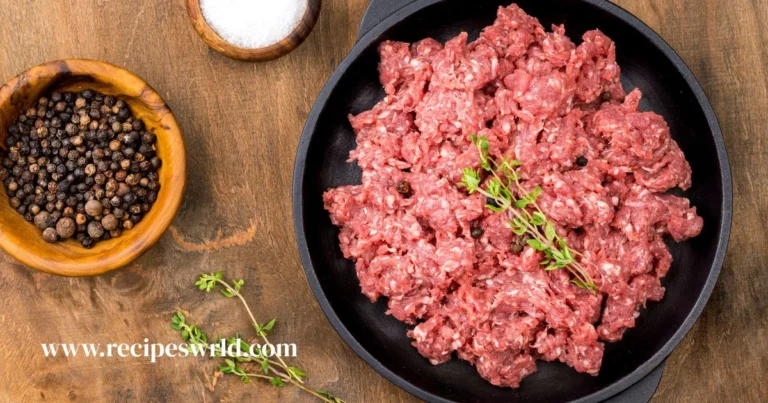
Building exceptional Italian meatloaf starts with selecting proper components. Your meat mixture forms the foundation, and quality matters significantly here. Choose ground beef with an 80/20 fat ratio—this ensures moisture without excessive grease. Add Italian sausage with casings removed, and you’ve created a flavor base that requires minimal additional seasoning.
The binding elements deserve attention. Instead of plain breadcrumbs, prepare a panade—Italian bread torn and soaked in whole milk. This technique, borrowed from French cooking, keeps your meatloaf remarkably tender. The bread absorbs liquid, then releases it slowly during cooking, preventing that dry, crumbly texture that plagues inferior versions.
Fresh garlic proves non-negotiable. You’ll need four or five cloves, minced finely and distributed throughout your mixture. Don’t substitute garlic powder here—the pungent, aromatic qualities of fresh garlic define authentic Italian flavor. Combine this with generous amounts of fresh parsley and basil, plus dried oregano for depth.
Parmesan cheese serves double duty. Its sharp, nutty flavor enhances the overall taste while helping bind ingredients together. You’ll want three-quarters of a cup grated directly into your mixture—don’t skimp here, as this ingredient separates ordinary from extraordinary.
Consider your filling options carefully. Cubed fresh mozzarella creates surprise pockets of melted cheese throughout each slice. Hard-boiled eggs, traditional in Sicilian preparations, add visual appeal and textural contrast. Sautéed spinach contributes color and nutrition without overwhelming other flavors. Choose based on your preference, or experiment with combinations.
Mastering the Technique
Creating perfect Italian meatloaf requires understanding several critical steps. Start by removing your meats from refrigeration thirty minutes before mixing—cold meat resists combining properly. Meanwhile, prepare your panade by soaking torn bread pieces in milk, then squeezing out excess liquid.
When combining ingredients, restraint becomes your greatest ally. Place meats in a large bowl, add your panade, eggs, cheese, herbs, and seasonings. Using clean hands, mix gently until just combined. Overworking the mixture develops tough protein strands that create dense, rubbery texture. You’re seeking cohesion without compaction.
Here’s a professional trick: cook a small test patty before shaping your entire loaf. This allows you to adjust seasonings before commitment. Pan-fry a tablespoon of mixture, taste it cooled slightly, then modify salt, pepper, or herbs accordingly. This simple step prevents disappointment after an hour of baking.
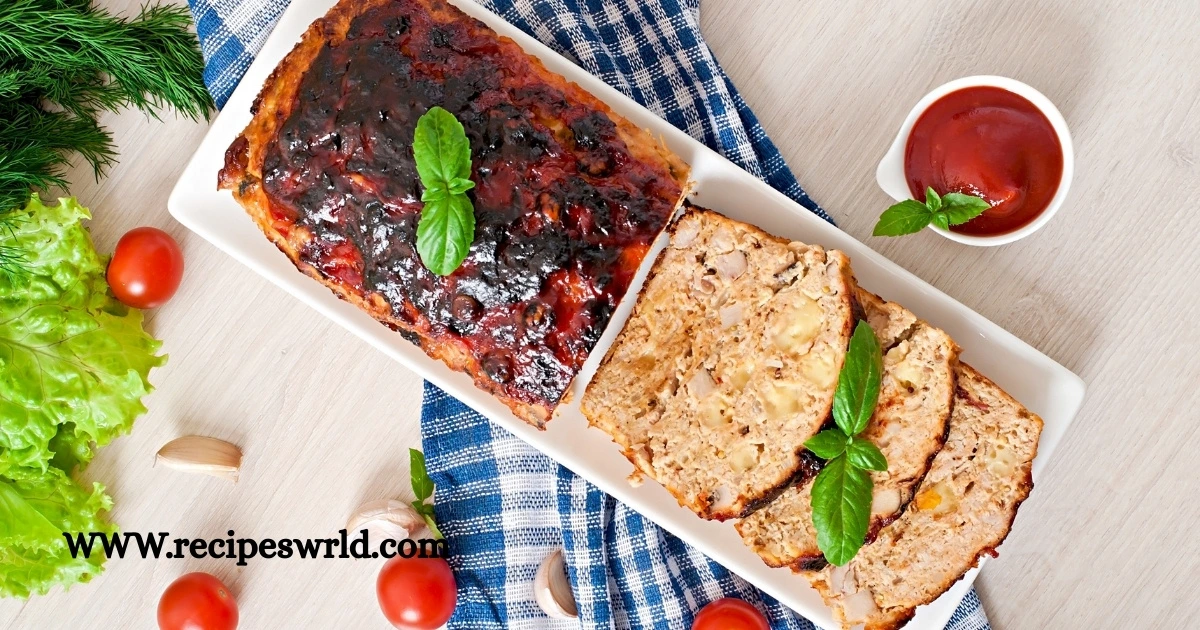
Shaping determines both presentation and cooking efficiency. For basic Italian meatloaf, form your mixture into an oval or rectangular loaf directly on a parchment-lined baking sheet. Aim for approximately nine inches long, five inches wide, and three inches tall. This size promotes even cooking while creating attractive slices.
Stuffed versions require more finesse. Divide your mixture in half, patting the first portion into a rectangle about half-inch thick. Layer your filling down the center, leaving borders for sealing. Cover with remaining meat, then carefully pinch edges together. Roll the loaf seam-side down, smoothing the surface gently.
Topping choices impact final presentation significantly. Spread marinara sauce generously over the surface, allowing some to pool around the base. This keeps the exterior moist while adding complementary flavor. Some cooks drape thin pancetta slices over the top, which crisp during baking and add smoky richness.
Baking requires patience and precision. Preheat your oven to 350°F, placing the rack in the middle position. Cook for sixty to seventy-five minutes, checking internal temperature with a meat thermometer. You’re targeting 160°F at the center—this ensures safety without overcooking. If the top browns excessively, tent loosely with foil.
The resting period isn’t optional. After removing your Italian meatloaf from the oven, resist immediate slicing. Allow ten to fifteen minutes of rest time, during which internal juices redistribute throughout the loaf. Cutting too soon results in dry, crumbly slices that fall apart on the plate.
Serving Your Creation
Italian meatloaf shines alongside Mediterranean-inspired accompaniments. Roasted vegetables—zucchini, bell peppers, eggplant—complement the rich meat beautifully. Their slight char and natural sweetness balance the savory, herb-forward main course. Drizzle with quality olive oil and sprinkle with sea salt before serving.
Creamy polenta offers textural contrast worth exploring. Its smooth, corn-forward flavor doesn’t compete with your meatloaf’s complexity, instead providing a neutral base that soaks up extra marinara. Alternatively, rosemary-studded roasted potatoes deliver crispy exteriors and fluffy interiors that please crowds universally.
Wine pairing enhances the entire dining experience. Medium-bodied Italian reds like Chianti or Barbera echo the dish’s regional origins while cutting through richness effectively. Their bright acidity refreshes your palate between bites, preventing flavor fatigue. For white wine enthusiasts, a crisp Pinot Grigio works surprisingly well with lighter, turkey-based versions.
Don’t overlook leftover potential. Cold Italian meatloaf slices transform into phenomenal sandwiches when layered on crusty ciabatta with arugula and additional marinara. Some argue these next-day creations surpass the original meal. You can also crumble leftovers into pasta sauce, creating a quick ragù that tastes like hours of simmering.
Adapting for Dietary Needs
Modern cooking demands flexibility, and Italian meatloaf accommodates various dietary requirements admirably. Substituting ground turkey or chicken reduces fat content substantially while maintaining satisfying heartiness. Choose darker meat over breast meat when possible—the extra fat prevents dryness that often plagues poultry-based meatloaf.
Gluten-free adaptations prove straightforward. Replace regular breadcrumbs with certified gluten-free versions, or use almond flour for additional nutrition. Gluten-free Italian bread works perfectly for your panade. Verify that your Italian sausage and marinara contain no hidden gluten—some brands use fillers that introduce wheat.
Reducing sodium requires thoughtful ingredient selection. Choose low-sodium marinara and reduce added salt in your mixture, relying instead on fresh herbs and garlic for flavor. Parmesan cheese contributes saltiness naturally, so you’ll need less seasoning than expected. Taste your test patty carefully to gauge proper balance.
Vegetable additions boost nutrition without sacrificing taste. Grated zucchini or carrots—squeeze out excess moisture first—add vitamins and fiber invisibly. Finely chopped mushrooms contribute meaty umami while reducing overall meat content. Roasted red peppers provide sweetness and visual appeal throughout each slice.
Common Mistakes to Avoid
Even experienced cooks stumble with Italian meatloaf occasionally. Understanding frequent errors helps you sidestep frustration. Overmixing ranks among the most common problems—enthusiastic combining creates tough, dense texture instead of tender, moist results. Mix only until ingredients incorporate, then stop immediately.
Insufficient seasoning disappoints countless first attempts. Remember that baking dilutes flavors somewhat, so your raw mixture should taste slightly over-seasoned. This explains why the test patty technique proves so valuable—it eliminates guesswork entirely. Don’t rely on estimates; confirm seasoning adequacy before shaping.
Temperature management requires attention throughout cooking. Overcooking dries out even the most carefully prepared meatloaf. Use a reliable instant-read thermometer rather than estimating doneness by time alone. Ovens vary significantly, and your loaf’s exact dimensions affect cooking duration. Trust temperature over clock watching.
Skipping the rest period tempts impatient cooks regularly. Those ten minutes seem unnecessary when hunger strikes, yet cutting too early causes structural collapse. Juices haven’t settled, proteins haven’t relaxed, and your beautiful loaf crumbles disappointingly on the plate. Exercise patience—it’s rewarded richly.
Your Italian Kitchen Awaits
Italian meatloaf represents more than recipe modification—it’s an invitation to embrace Mediterranean cooking philosophy. This approach values fresh ingredients, bold flavors, and techniques passed through generations. Each time you prepare polpettone, you’re connecting with centuries of Italian culinary tradition while creating new memories in your own kitchen.
The versatility ensures you’ll never tire of this dish. Experiment with different meat combinations, try regional variations, or develop your signature filling. Perhaps you’ll prefer Tuscan-style with spinach and eggs, or maybe Sicilian preparations with mortadella speak to your taste. The foundation remains constant while details adapt to your preferences.
Beyond flavor and technique, Italian meatloaf delivers practical benefits modern cooks appreciate. It feeds crowds economically, reheats beautifully, and transforms into various leftover applications. Meal planning becomes simpler when one dish offers multiple serving possibilities throughout the week.
Now comes the exciting part—your turn to create. Gather quality ingredients, clear your counter space, and prepare to get hands-on with your mixture. Don’t stress about perfection; even imperfect Italian meatloaf surpasses many alternatives. Trust the process, embrace the experience, and remember that the best cooking happens when you’re enjoying yourself.
Ready to transform your dinner routine? Start with this Italian meatloaf recipe tonight. Share your results, variations, and discoveries with fellow food enthusiasts—cooking becomes richer when we exchange experiences and ideas. Your kitchen holds endless possibilities, and authentic Italian meatloaf offers the perfect starting point for Mediterranean culinary exploration.