Learn what ground lamb is, how it tastes, and how you can use it in everyday cooking.
Ground Lamb: Your Complete Guide to Flavor, Uses, and Everyday Cooking
Picture this: you’re standing in front of the meat counter, eyes drifting past the usual suspects—beef, chicken, turkey—when something catches your attention. Ground lamb. You’ve heard about it, maybe even tasted it at a restaurant, but you’ve never actually cooked with it. Your mind races with questions. What does it really taste like? Will your family enjoy it? How different can it be from regular ground beef?
Here’s the truth that took me years to discover: ground lamb isn’t some exotic ingredient reserved for fancy dinner parties or complicated recipes. It’s an incredibly flavorful, versatile protein that can transform your weeknight dinners from ordinary to extraordinary. That slightly sweet, rich taste? It’s not intimidating—it’s delicious. And once you understand how to work with it, you’ll wonder why you waited so long to try it.
Whether you’re looking to break free from the ground beef routine, explore new flavors, or simply make your meals more interesting, ground lamb deserves a spot in your kitchen. Let’s explore everything you need to know about this underrated ingredient.
What Is Ground Lamb?
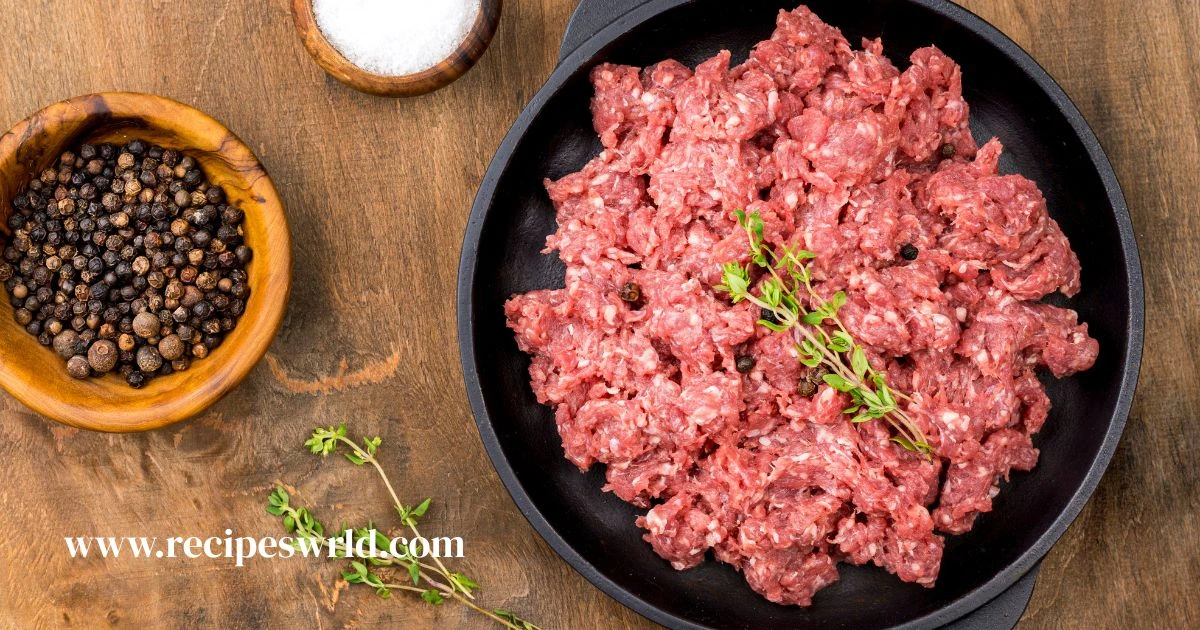
Ground lamb is exactly what it sounds like—meat from young sheep that’s been finely minced or ground, similar to how ground beef is processed. Most commonly, butchers use cuts from the shoulder, leg, or various trimmings to create ground lamb, resulting in a product with a fat content typically ranging from 15-20%.
You’ll find ground lamb readily available at most major supermarkets, specialty butcher shops, and even online retailers. The meat comes from lambs under one year old (as opposed to mutton, which comes from older sheep), giving it a more delicate, milder flavor that works beautifully in everyday cooking.
How Ground Lamb Differs From Other Meats
When you compare ground lamb to other ground meats, several distinctions emerge:
Flavor Profile: Ground lamb offers a richer, slightly sweeter taste compared to beef’s more neutral savoriness. It’s nowhere near as intense as game meats like venison, but it definitely has more character than ground turkey or chicken.
Fat Content: At 15-20% fat, ground lamb sits right alongside ground beef in terms of richness and juiciness. This fat content keeps the meat moist during cooking and carries flavor exceptionally well.
Nutritional Value: Ground lamb packs a serious nutritional punch. You’re getting high-quality complete protein along with impressive amounts of vitamin B12, zinc, selenium, and iron—more than you’d find in comparable portions of ground beef or turkey.
Price Point: Yes, ground lamb typically costs more than ground beef—expect to pay between $8-15 per pound depending on your location and whether you choose conventional or grass-fed options. But that premium buys you distinctive flavor and superior nutrition.
What Does Ground Lamb Taste Like?
This is the question everyone asks, and honestly, the answer might surprise you. Ground lamb has a rich, slightly sweet flavor with earthy undertones that many people describe as more complex than beef. There’s a natural depth to the taste that food scientists attribute to branched-chain fatty acids present in lamb.
Some people call this quality “gamey,” but that word carries unnecessary baggage. When properly cooked and seasoned, ground lamb doesn’t taste wild or off-putting—it tastes distinctive and delicious. Think of it as beef’s more sophisticated cousin.
The flavor intensity varies based on several factors:
- The lamb’s diet: Grass-fed lamb tends to have a more pronounced flavor than grain-fed
- Age: Younger lamb is milder; older mutton is stronger
- Cooking method: Overcooking intensifies the gamey notes, while proper cooking keeps it balanced
Your First Experience with Ground Lamb
If you’re trying ground lamb for the first time, set yourself up for success. Start with recipes that incorporate bold, complementary seasonings—Mediterranean and Middle Eastern dishes are perfect because they’ve been perfected over centuries to work with lamb’s natural flavor.
Picture bold garlic layered with fresh mint, aromatic rosemary, warm cumin, fragrant coriander, and a subtle touch of cinnamon.These aromatics and spices don’t mask the lamb’s taste; they enhance it, creating flavor combinations that feel both exotic and comforting.
Another smart approach? Mix ground lamb with ground beef in a 50/50 ratio for your first few recipes. This gives you a gentler introduction to the flavor while still experiencing what makes lamb special.
Why Ground Lamb Deserves a Place in Your Kitchen
Beyond flavor, ground lamb brings genuine nutritional benefits to your table. A 100-gram serving of cooked ground lamb provides approximately 25 grams of protein—that’s half your daily requirement. You’ll also get:
- Vitamin B12: Over 100% of your daily needs, essential for nerve function and red blood cell formation
- Zinc: 41% of daily requirements, supporting immune health
- Iron: Important for energy and oxygen transport
- Selenium: Nearly 50% of your daily needs, a powerful antioxidant
Grass-fed ground lamb offers an additional bonus: higher levels of omega-3 fatty acids and conjugated linoleic acid (CLA), which research suggests may support heart health and metabolism.
Yes, ground lamb contains saturated fat, so moderation matters. But when consumed as part of a balanced diet—say, a 3-4 ounce serving a couple times a week—you’re getting exceptional nutrition along with outstanding flavor.
How to Buy and Store Ground Lamb
Finding quality ground lamb is easier than you might think. Most major grocery chains now stock it, though you might need to look beyond the most prominent displays. Don’t hesitate to ask your butcher—many will grind fresh lamb for you on request, which often results in superior quality.
What to Look For:
- Bright red color (browning indicates age)
- Fresh, clean smell (never sour or ammonia-like)
- Firm texture, not slimy
- Proper packaging with clear labeling
- Reasonable use-by dates
You’ll encounter different labeling: “Product of USA,” “American Lamb,” or imports from New Zealand and Australia. Domestic lamb tends to be grain-finished with milder flavor, while imports are typically grass-fed with more pronounced taste. Neither is better—it’s about preference.
Storage Essentials:
- Refrigerator: Use within 1-2 days of purchase
- Freezer: Properly wrapped, ground lamb keeps for 3-4 months
- Freeze in meal-sized portions (1-2 pounds) for convenience
- Thaw in the refrigerator overnight, never at room temperature
Cooking Ground Lamb: Basic Techniques
The beauty of ground lamb lies in its versatility. Every cooking method you use for ground beef works perfectly well for lamb:
Pan-Frying/Browning: Heat a skillet over medium-high heat, add your lamb, and break it apart as it cooks. Eight to ten minutes gets you thoroughly browned, flavorful meat ready for tacos, pasta sauces, or rice bowls.
Grilling: Shape lamb into burgers or kebabs and grill over medium-high heat. Five to six minutes per side gives you juicy, perfectly cooked patties with beautiful char marks.
Baking: Form meatballs or press into casserole dishes and bake at 375°F. Twenty to twenty-five minutes produces tender, evenly cooked results.
Slow-Cooking: Add ground lamb to stews or ragùs and let them simmer. Four to six hours on low heat creates deeply flavored, melt-in-your-mouth dishes.
Temperature Matters
Food safety dictates that ground lamb reach an internal temperature of 160°F. Use a meat thermometer—it’s the only reliable way to check doneness, as lamb can retain a pink color even when fully cooked due to myoglobin in the meat.
Avoid overcooking. Ground lamb becomes dry and tough when exposed to excessive heat, and the distinctive flavor can turn unpleasantly strong. Cook just to temperature, then remove from heat and let rest for a few minutes.
Simple Ground Lamb Recipes to Start Your Journey
Mediterranean Lamb Burgers
Transform burger night with these flavor-packed patties that rival any beef version:
You’ll Need:
- 1.5 pounds ground lamb
- 3 cloves garlic, minced
- 2 tablespoons fresh mint, chopped
- 1 teaspoon ground cumin
- 1 teaspoon kosher salt
- ½ teaspoon black pepper
- ½ cup crumbled feta (optional)
Mix ingredients gently—overworking makes tough burgers. Shape the mixture into patties a bit wider than your buns to allow for shrinkage, then grill or pan-fry for about 5–6 minutes on each side. Serve on toasted buns with tzatziki sauce, fresh tomatoes, cucumber, and arugula.
Quick Ground Lamb Tacos
Twenty minutes from start to finish, these fusion tacos combine Mexican format with Mediterranean soul:
Brown one pound of ground lamb with diced onion. Add 2 teaspoons cumin, 1 teaspoon coriander, 1 teaspoon paprika, ½ teaspoon cinnamon, and minced garlic. Cook until fragrant.
Serve in warm tortillas with diced cucumber, cherry tomatoes, red onion, crumbled feta, and a dollop of Greek yogurt mixed with lemon juice and fresh mint. Absolutely delicious and totally unexpected.
Classic Shepherd’s Pie
This comfort food classic showcases why ground lamb has been beloved for generations:
Brown 2 pounds ground lamb, then add diced carrots, peas, and onion. Stir in tomato paste, beef broth, and Worcestershire sauce. Simmer until thickened, about 15 minutes. Transfer to a baking dish, top with creamy mashed potatoes, and bake at 400°F for 25 minutes until golden.
Each forkful delivers rich, savory lamb paired with sweet vegetables and buttery potatoes—pure satisfaction.
Seasoning Ground Lamb Like a Pro
Ground lamb’s robust flavor means it can handle—and actually thrives with—bold seasonings. Don’t be timid. These combinations have been perfected across various cuisines:
Mediterranean Magic: Oregano, rosemary, thyme, garlic, lemon zest Middle Eastern Warmth: Cumin, coriander, cinnamon, paprika, sumac Indian Inspiration: Garam masala, turmeric, ginger, curry powder Greek Classic: Mint, oregano, garlic, lemon, dill
Fresh herbs work beautifully with lamb, but dried versions deliver concentrated flavor when fresh isn’t available. A general rule: use three times more fresh herbs than dried.
Making the Switch: Ground Lamb vs. Ground Beef
Can you substitute ground lamb for ground beef in your favorite recipes? Absolutely. Will it taste identical? No—and that’s the point.
Ground lamb elevates standard recipes with its distinctive richness. Your regular spaghetti Bolognese becomes something special. Basic meatballs transform into conversation starters. Even simple meat sauce for pasta gains new dimension.
Adjustments to keep in mind:
- You may need to drain slightly more fat than with beef
- Bold seasonings work better than mild ones
- Cooking time might be marginally shorter
- Mediterranean and Middle Eastern recipes are particularly successful
Some cooks create a 50/50 blend of lamb and beef for dishes like meatloaf, combining beef’s familiar taste with lamb’s richness for the best of both worlds.
Your Next Steps
Ground lamb isn’t intimidating or exotic—it’s simply delicious. Now that you understand what it tastes like, how to buy it, and what makes it special, there’s only one thing left to do: try it.
Start with a single pound for your first experiment. Choose a recipe with bold seasonings that complement lamb’s natural flavor. Cook it properly—medium-high heat, don’t overcook, season generously—and taste the difference quality protein makes.
You might discover, as countless home cooks have before you, that ground lamb becomes your secret weapon for weeknight dinners that feel anything but ordinary. Those same tired recipes suddenly feel fresh again. Your family asks what’s different, what makes tonight’s meal so much better.
The answer is simple: you tried something new.
Head to your local butcher or grocery store this week. Pick up that pound of ground lamb you’ve been curious about. Choose one of these recipes, or substitute it into a dish you already love. Your kitchen is about to get a whole lot more interesting, and your taste buds are about to thank you for the adventure.
Because here’s what nobody tells you about cooking: the difference between ordinary meals and memorable ones often comes down to a single choice—the willingness to reach for something different, something with more character, something like ground lamb. Make that choice today.