
Meatloaf Recipe With Onion Soup Mix – How soup mix enhances texture and taste in meatloaf
Table of Contents
The Ultimate Meatloaf Recipe With Onion Soup Mix: A Secret Ingredient That Changes Everything
Picture this: You’re standing in your kitchen on a chilly Wednesday evening, and the aroma wafting from your oven instantly transports you back to childhood dinners around the family table. That’s the magic of a perfectly crafted meatloaf—comfort food that speaks directly to the soul.
For years, I wrestled with creating that ideal loaf. You know the one—moist throughout, bursting with savory flavor, and sturdy enough to slice without crumbling into a disappointing mess on your plate. Every attempt seemed to fall short. Too dry. Too bland. Too… everything except what I craved.
Then came my revelation: a simple packet hiding behind the canned goods in my pantry. This meatloaf recipe with onion soup mix transformed my culinary struggles into weekly victories. If you’ve ever pulled a dry, tasteless loaf from your oven and wondered where you went wrong, you’re about to discover the solution that’ll make you the dinner hero your household didn’t know they needed.
Why This Meatloaf Recipe With Onion Soup Mix Is a Game-Changer
Traditional meatloaf recipes demand measuring multiple spices, dicing fresh onions, and crossing your fingers that everything balances properly. One miscalculation, and dinner becomes memorable for all the wrong reasons.
The brilliance of incorporating onion soup mix lies in its simplicity and reliability. This humble ingredient solves multiple challenges simultaneously—it seasons your meat perfectly, adds moisture retention properties, and eliminates the guesswork from flavor development.
You’re not just adding convenience here. You’re introducing a scientifically formulated blend that professional food developers spent years perfecting. The dehydrated onions rehydrate during cooking, releasing flavor gradually while helping bind your mixture. The carefully balanced salt content enhances the meat’s natural savors without overwhelming your palate. Meanwhile, the bouillon components deliver that elusive umami depth that separates good meatloaf from unforgettable meatloaf.
How Onion Soup Mix Transforms Texture and Taste
The Texture Revolution
Ever wondered why grandmother’s meatloaf held together beautifully while yours resembled ground beef held loosely accountable? The answer involves protein structure and moisture management.
When you incorporate onion soup mix into your ground beef, something remarkable happens at the molecular level. The salt content draws out proteins called myosin from the meat fibers. These proteins act like natural glue, creating a matrix that holds everything together. The dehydrated onion pieces absorb excess moisture during mixing, then slowly release it during baking—creating an internal basting effect that prevents that dreaded dry, crumbly outcome.
The breadcrumb components in quality soup mixes contribute another layer of binding power. They absorb the egg and milk in your recipe, swelling into soft pockets that maintain moisture throughout the cooking process. Think of them as tiny reservoirs scattered throughout your loaf, ensuring each bite delivers juicy satisfaction.
Compare this to traditional recipes where you’re manually adding breadcrumbs, salt, and seasonings separately. The soup mix integrates these elements in optimal proportions, pre-tested for maximum effectiveness. You’re essentially using a professional formula developed through extensive testing—all for the price of a single packet.
The Flavor Enhancement Factor
Here’s where things get genuinely exciting for your taste buds. Onion soup mix isn’t just dried onions with salt—it’s a carefully orchestrated symphony of flavor compounds.
Quality mixes contain beef bouillon, which brings concentrated umami—that satisfying, savory depth your tongue recognizes but struggles to define. Yeast extract adds another layer of complexity, enhancing the meat’s natural flavors rather than masking them. Onion powder provides a different flavor profile than fresh onions, offering sweetness without excess moisture that could compromise your loaf’s structure.
Garlic powder, herbs like parsley, and carefully balanced spices round out the profile. Each component plays a specific role in creating a multi-dimensional taste experience. When you bite into a slice, you’re not tasting individual ingredients—you’re experiencing how they harmonize together.
This complexity explains why your meatloaf recipe with onion soup mix consistently outperforms versions where you add seasonings individually. Unless you’re a seasoned chef with an intuitive understanding of flavor balance, achieving this harmony through separate ingredients becomes a culinary gamble. The soup mix removes that uncertainty entirely.
Your Step-by-Step Guide to Perfect Meatloaf
Gathering Your Ingredients
Success begins with proper preparation. Here’s everything you’ll need:
| Ingredient | Amount | Why It Matters |
|---|---|---|
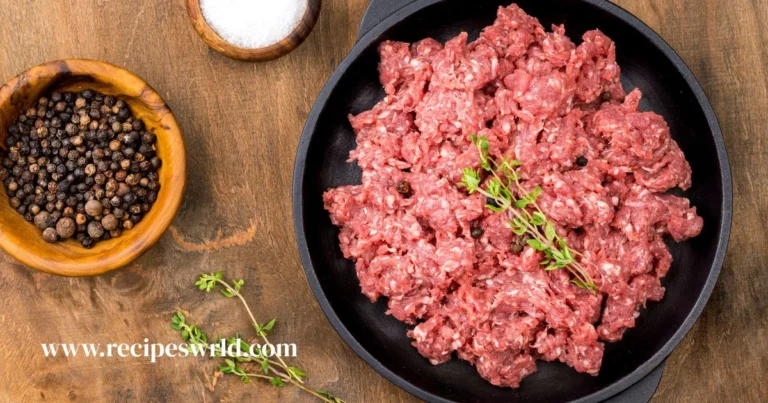
| Ground beef (80/20) | 2 pounds | The fat ratio ensures moisture and flavor |
| Onion soup mix | 1 packet | Your secret weapon for taste and texture |
| Large eggs | 2 | Binds ingredients and adds richness |
| Plain breadcrumbs | ¾ cup | Absorbs moisture and provides structure |
| Whole milk | ½ cup | Creates tenderness and helps binding |
| Worcestershire sauce | 2 tablespoons | Adds tangy depth and complexity |
| Ketchup | ½ cup | Forms the classic sweet-tangy glaze |
| Black pepper | ½ teaspoon | Balances the overall flavor profile |
Notice the 80/20 ground beef specification? This matters tremendously. Leaner beef might seem healthier, but fat carries flavor and prevents dryness. The 20% fat content provides just enough richness without making your loaf greasy. Trust this ratio—your taste buds will thank you.
Creating Your Masterpiece
Step One: Set the Stage
Preheat your oven to 350°F. This temperature creates the ideal cooking environment—hot enough for proper browning, gentle enough to prevent the exterior from burning before the interior finishes cooking. Line your loaf pan with parchment paper for easy removal, or shape your loaf free-form on a baking sheet for maximum caramelization.
Step Two: Combine with Care
In your largest mixing bowl, gently combine the ground beef, entire packet of onion soup mix, eggs, breadcrumbs, milk, and Worcestershire sauce. Here’s where many home cooks sabotage their success: they overmix.
Imagine you’re folding ingredients together rather than aggressively stirring them. Use your hands—yes, get messy—and mix just until everything distributes evenly throughout the meat. Overworking the mixture develops too much protein structure, resulting in a dense, tough texture reminiscent of rubber rather than tender comfort food.
The onion soup mix actually helps here because its flavor distributes easily, requiring less mixing than recipes using individual seasonings. You’ll notice the mixture becoming slightly sticky—that’s the salt drawing out proteins, exactly what you want for proper binding.
Step Three: Shape and Glaze
Transfer your mixture to the prepared pan, or shape it into an oval loaf on your baking sheet. Smooth the top with damp hands, creating a slightly domed surface that’ll brown beautifully.
Mix your ketchup with a tablespoon of brown sugar if you enjoy sweetness, or keep it plain for tangy contrast. Spread half this glaze over the top before baking. You’ll add the remainder during the final fifteen minutes, creating layers of caramelized flavor.
Step Four: The Baking Process
Slide your creation into the preheated oven for sixty to seventy minutes. The exact timing depends on your loaf’s thickness and your oven’s quirks. Rather than trusting time alone, invest in a meat thermometer. Insert it into the center—when it reads 160°F, your meatloaf has reached safe doneness without overcooking.
Around the forty-five-minute mark, remove the pan and brush on the remaining glaze. This timing allows the sauce to caramelize without burning, creating that glossy, slightly sticky coating everyone loves.
Step Five: The Patience Test
Here’s where willpower becomes essential. Let your finished loaf rest for ten full minutes before slicing. During this resting period, the internal juices redistribute throughout the meat. Cut too soon, and those flavorful juices run onto your cutting board instead of staying where they belong—in each delicious slice.
Professional Secrets for Meatloaf Success
Moisture Management
Your meatloaf recipe with onion soup mix already builds moisture retention into its formula, but you can enhance this further. Some cooks add a shallow water bath to their oven, creating humid conditions that prevent surface drying. Others place a piece of bacon across the top, which bastes the loaf as it renders.
The milk-soaked breadcrumbs technique deserves special mention. Let your breadcrumbs sit in the milk for five minutes before mixing. This creates a panade—a paste that professional chefs use to ensure incredibly moist meatloaf and meatballs. Those pre-soaked crumbs can’t absorb moisture from the meat because they’re already saturated, so they maintain the loaf’s juiciness instead.
Flavor Customization Without Complications
While the onion soup mix provides excellent baseline seasoning, you can personalize your loaf without abandoning its benefits. Fold in sautéed mushrooms for earthy depth. Add diced bell peppers for sweetness and color. Incorporate shredded carrots for moisture and a subtle sweetness that complements the savory notes beautifully.
Just remember: any additions should be relatively dry. Fresh onions, for instance, release considerable moisture during cooking, potentially making your loaf too soft to slice properly. The dehydrated onions in your soup mix avoid this problem entirely while delivering concentrated flavor.
Avoiding Common Pitfalls
The most frequent mistake? Selecting ground beef that’s too lean. When you choose 93/7 or even 90/10 beef, you’re removing the fat that carries flavor and maintains moisture. Your finished loaf might seem healthier, but it’ll taste like cardboard and have the texture of sawdust. Stick with 80/20—the soup mix’s balanced formula works optimally with this fat ratio.
Another trap involves adding extra salt. Your soup mix already contains significant sodium, perfectly calibrated for two pounds of meat. Additional salt pushes the seasoning into unpleasant territory. If you’re watching sodium intake, use half the soup mix packet instead of adding regular amounts and compensating elsewhere.
Finally, resist the urge to slice immediately. Those ten minutes of resting aren’t optional—they’re essential. Pour yourself a drink, set the table, call everyone to dinner, but don’t pick up that knife until the timer sounds.
Making This Recipe Your Own
Once you’ve mastered the basic meatloaf recipe with onion soup mix, experimentation becomes irresistible. Transform your loaf into Italian comfort food by adding mozzarella cheese and Italian seasoning. Create a Southwestern version with cumin, chili powder, and pepper jack cheese. Build a BBQ lover’s dream by mixing BBQ sauce directly into the meat and using it for the glaze.
The soup mix foundation accommodates these variations beautifully because it provides the structural integrity and baseline seasoning that other recipes lack. You’re building on a solid foundation rather than hoping random ingredients somehow work together.
Your Dinner Solution Awaits
That packet in your pantry represents more than convenience—it’s your key to consistently excellent meatloaf that brings everyone to the table with genuine enthusiasm. No more crossed fingers or dinner disappointments. No more wondering if tonight’s attempt will finally match your expectations.
This meatloaf recipe with onion soup mix delivers reliable results because it’s built on food science principles and professional formulation. You’re not guessing at proportions or hoping your seasoning instincts prove accurate. You’re following a tested path to comfort food perfection.
Tonight, when you pull that gorgeously glazed loaf from your oven and the aroma fills your kitchen, you’ll understand why this simple ingredient changes everything. When your family asks what makes this version so much better than previous attempts, smile and share your secret. Better yet, make it again next week—because once they taste it, requests will definitely follow.
Ready to transform your weeknight dinners? Gather these simple ingredients, trust the process, and discover why this recipe has earned its place as a kitchen essential. Your perfect slice of comfort awaits.
Now it’s your turn: What variation will you try first? Share your results and inspire fellow home cooks in the comments below!