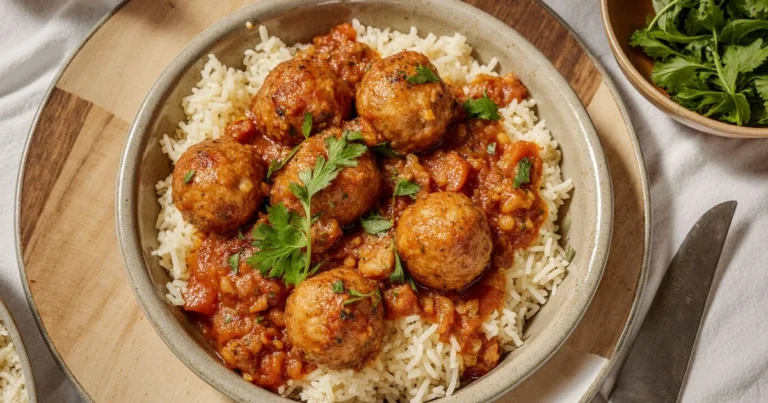
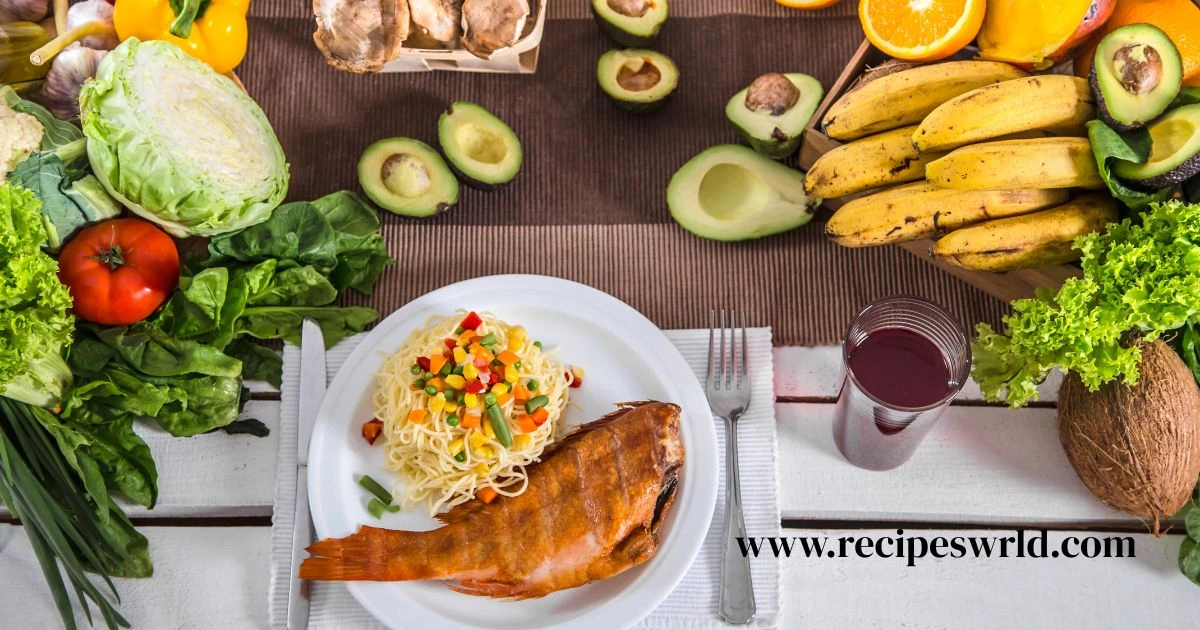
Low Calorie High Protein Meals – Easy recipes that emphasize protein-rich ingredients for better nutrition.
Table of Contents
Low Calorie High Protein Meals: Your Complete Guide to Smart, Satisfying Eating
Picture this: It’s mid-afternoon, and your stomach starts rumbling despite eating lunch just hours earlier. That measly salad you grabbed left you unsatisfied, and now you’re eyeing the vending machine. Does this scenario sound painfully familiar?
You’re caught in an exhausting cycle—choosing between meals that leave you hungry or guilty about exceeding your calorie budget. But here’s the truth: you don’t have to compromise anymore. Low calorie high protein meals offer a genuine solution that keeps you full, supports your fitness goals, and actually tastes incredible.
This guide reveals everything you need to transform your eating habits. You’ll discover practical recipes, science-backed strategies, and insider tips that make healthy eating feel effortless rather than restrictive.
Why Low Calorie High Protein Meals Transform Your Health
The Science Behind Feeling Fuller Longer
Your body responds differently to protein compared to carbohydrates or fats. When you consume protein-rich foods, your digestive system releases satiety hormones like peptide YY and GLP-1. These chemical messengers communicate with your brain, signaling genuine fullness rather than temporary satisfaction.
Simultaneously, protein suppresses ghrelin—the hormone responsible for triggering hunger pangs. This dual action creates lasting satisfaction from your meals.
The benefits extend beyond appetite control. Your body burns approximately 20-30% of protein calories just breaking down and absorbing it. This thermic effect means you’re naturally burning more energy simply by choosing protein-forward meals.
During weight management, maintaining muscle mass becomes critical. Adequate protein intake preserves lean tissue while your body burns stored fat for energy. This distinction matters tremendously for your metabolism and overall body composition.
Defining Your Ideal Plate
What exactly qualifies as a low calorie high protein meal? Understanding these parameters helps you make confident choices:
- Calorie range: Target 300-500 calories per serving
- Protein content: Include 25-40 grams minimum
- Macro balance: Protein should comprise 30-40% of total calories
- Nutritional density: Pack in vitamins, minerals, and fiber
- Healthy fats: Don’t skip 10-15 grams of quality fats
- Complex carbohydrates: Choose whole grains and vegetables
This framework creates meals that nourish your body completely rather than just checking nutritional boxes.
Essential Ingredients for Your Kitchen Arsenal
Lean Protein Powerhouses
Stocking your refrigerator and pantry with versatile protein sources makes meal preparation straightforward. These options deliver maximum protein with minimal calories:
Chicken breast remains unbeatable—165 calories and 31 grams of protein in just four ounces. Its neutral flavor adapts to virtually any cuisine or seasoning profile.
White fish like cod or tilapia provides incredible value at only 90 calories and 20 grams of protein per four-ounce serving. The mild taste works beautifully with bold marinades and spices.
Greek yogurt (choose non-fat varieties) offers 17 grams of protein per cup for approximately 100 calories. Use it as a base for breakfast bowls or as a healthier substitute for sour cream.
Shrimp cooks in minutes and delivers 23 grams of protein for 120 calories in a four-ounce portion. Keep frozen shrimp stocked for emergency meals.
Eggs and egg whites provide unmatched versatility. Six large egg whites contain just 102 calories yet pack 21 grams of protein. Add one whole egg for flavor and nutrients.
Tofu and tempeh serve plant-based eaters exceptionally well. Extra-firm tofu offers about 10 grams of protein per half-cup, while tempeh provides 21 grams in four ounces.
Cottage cheese deserves recognition as an underrated champion. One cup of low-fat cottage cheese contains 28 grams of protein for roughly 163 calories.
Vegetables That Boost Volume Without Calories
Smart meal construction includes high-volume, low-calorie vegetables that fill your plate and stomach. These options let you eat generous portions guilt-free:
Leafy greens like spinach, kale, and arugula contain minimal calories while providing essential nutrients. Zucchini and summer squash spiralize beautifully into noodle alternatives. Cauliflower transforms into rice, pizza crust, or creamy mashes. Bell peppers add crunch, color, and vitamin C to any dish.
Mushrooms contribute savory umami flavor with almost zero calories. Asparagus, broccoli, and green beans round out your vegetable rotation perfectly.
Quick Weekday Meal Solutions
Breakfast Options That Start Your Day Right
Greek Yogurt Power Bowl
Begin your morning with this protein-packed bowl that assembles in under five minutes:
- 1 cup non-fat Greek yogurt (100 calories, 17g protein)
- ½ cup mixed berries (40 calories, 0.5g protein)
- 1 tablespoon chia seeds (60 calories, 2g protein)
- 1 tablespoon sliced almonds (35 calories, 1.5g protein)
Total: 235 calories, 21 grams protein
The combination provides sustained energy without blood sugar spikes. Prepare multiple servings in mason jars for grab-and-go convenience throughout the week.
Egg White Veggie Scramble
This savory breakfast satisfies your appetite until lunch:
- 6 large egg whites (102 calories, 21.6g protein)
- 2 cups spinach (14 calories, 1.8g protein)
- ½ cup mushrooms (8 calories, 1g protein)
- ½ cup diced tomatoes (16 calories, 0.8g protein)
- 2 tablespoons crumbled feta (50 calories, 4g protein)
Total: 190 calories, 29 grams protein
Sauté the vegetables first to release moisture, then add egg whites and scramble until fluffy. The feta adds creamy tanginess that elevates the entire dish.
Lunch Ideas for Sustained Afternoon Energy
Grilled Chicken Buddha Bowl
Create a restaurant-worthy bowl at home:
- 5 ounces grilled chicken breast (206 calories, 38.8g protein)
- ½ cup cooked quinoa (111 calories, 4g protein)
- 1 cup roasted broccoli (55 calories, 4g protein)
- ½ cup cherry tomatoes (27 calories, 1.3g protein)
- 2 tablespoons tahini dressing (80 calories, 2g protein)
Total: 479 calories, 50 grams protein
Batch-cook components on Sunday, then assemble fresh bowls throughout the week. Rotate vegetables based on seasonal availability and personal preferences.
Tuna Lettuce Wraps
These refreshing wraps come together in minutes:
- 1 can (5 oz) water-packed tuna (120 calories, 26g protein)
- 2 tablespoons Greek yogurt (18 calories, 3g protein)
- ¼ cup diced celery (4 calories, 0.2g protein)
- 4 large romaine leaves (20 calories, 1.4g protein)
- ¼ avocado (60 calories, 0.8g protein)
Total: 222 calories, 31 grams protein
Mix tuna with Greek yogurt and celery for a lighter version of traditional tuna salad. The avocado provides healthy fats that enhance nutrient absorption.
Dinner Recipes for Evening Satisfaction
Baked Cod with Roasted Vegetables
This elegant dinner impresses while remaining simple:
- 6 ounces cod fillet (135 calories, 30g protein)
- 1 cup Brussels sprouts (56 calories, 4g protein)
- ½ medium sweet potato, cubed (57 calories, 1g protein)
- Fresh lemon and herbs (5 calories)
Total: 253 calories, 35 grams protein
Season the cod with lemon zest, garlic, and fresh herbs. Roast everything together at 400°F for 20 minutes. The Brussels sprouts caramelize beautifully alongside the tender fish.
Shrimp Zucchini Noodles
This lighter alternative to pasta satisfies completely:
- 6 ounces cooked shrimp (180 calories, 34.5g protein)
- 3 cups spiralized zucchini (60 calories, 4.5g protein)
- ½ cup marinara sauce (70 calories, 2g protein)
- 2 tablespoons parmesan cheese (43 calories, 3.8g protein)
Total: 353 calories, 45 grams protein
Sauté zucchini noodles briefly—just 2-3 minutes to maintain texture. Overcooking creates mushy, watery noodles. Top with perfectly seasoned shrimp and warmed sauce.
Meal Prep Strategies for Consistent Success
The Sunday Power Hour
Dedicate 60-90 minutes weekly to preparation that saves hours throughout busy weekdays:
Batch cook proteins by grilling multiple chicken breasts, baking a tray of salmon portions, and hard-boiling a dozen eggs simultaneously.
Pre-portion grains into half-cup servings of quinoa, brown rice, or farro. Store in individual containers for effortless measuring.
Chop vegetables in bulk and store properly. Layer paper towels in containers to absorb excess moisture and maintain freshness.
Prepare versatile sauces like lemon-herb vinaigrette, tahini dressing, or salsa verde. Keep sauces separate until serving to prevent sogginess.
Portion snacks immediately by dividing cottage cheese into small containers, creating veggie bags with protein dips, and assembling grab-and-go options.
This systematic approach eliminates decision fatigue when you’re tired and hungry—the moments when unhealthy choices feel most tempting.
Common Mistakes That Sabotage Your Progress
Eliminating Fats Completely
Many people mistakenly remove all fats when reducing calories. Your body requires healthy fats for hormone production, vitamin absorption, and cellular function. Include small amounts of avocado, nuts, seeds, olive oil, or fatty fish in every meal.
Overcooking Lean Proteins
Chicken breast and white fish become unappetizingly dry when overcooked. Invest in a reliable meat thermometer and remove proteins at 165°F for poultry and 145°F for fish. Marinating beforehand adds moisture and flavor.
Ignoring Micronutrients
Focusing exclusively on protein and calories while neglecting vitamins and minerals creates nutritional gaps. Include colorful vegetables, leafy greens, and varied protein sources to ensure comprehensive nutrition.
Forgetting to Track Accurately
Hidden calories accumulate quickly from cooking oils, salad dressings, and condiments. Weigh proteins on a digital scale and measure additions carefully. Eyeballing portions typically underestimates true consumption by 20-30%.
Your Seven-Day Jumpstart Plan
Weekly Overview
Following a structured plan removes guesswork and builds confidence:
Monday through Wednesday focuses on establishing routine with straightforward recipes you’ve already practiced. Greek yogurt bowls for breakfast, chicken buddha bowls for lunch, and baked fish with vegetables for dinner create a reliable foundation.
Thursday and Friday introduce slight variations to prevent boredom while maintaining similar nutritional profiles. Swap chicken for turkey, try different vegetable combinations, and experiment with new seasonings.
Weekend days offer opportunities for more elaborate preparations like protein pancakes or special marinades. Use extra time to batch-cook proteins and prep vegetables for the upcoming week.
Each day should deliver approximately 1,200-1,400 calories with 120-150 grams of protein, depending on your individual requirements. Adjust portions based on activity level, body size, and specific goals.
Long-Term Success Strategies
Building Sustainable Habits
Dramatic overnight transformations rarely last. Instead, implement gradual changes that become permanent lifestyle shifts:
Start by optimizing one meal daily rather than overhauling everything simultaneously. Master protein-rich breakfasts for two weeks before addressing lunch options.
Keep five to seven go-to recipes in rotation. Familiarity breeds consistency, and you’ll prepare favorite meals more quickly over time.
Apply the 80/20 principle—make nutritious choices 80% of the time while allowing flexibility for social occasions and special treats. This balance prevents the restriction-binge cycle that derails many well-intentioned efforts.
Listen to genuine hunger signals rather than following rigid schedules. Your body communicates needs through energy levels, concentration, and appetite cues.
Navigating Social Situations
Don’t let parties, restaurants, or holidays derail your progress:
Eat a protein-rich meal before attending events where food choices might be limited. Arriving genuinely satisfied helps you make mindful decisions rather than reactive ones.
Contribute a high-protein dish when attending gatherings. This ensures at least one option aligns with your goals.
At restaurants, don’t hesitate to request modifications. Ask for grilled preparation instead of fried, vegetables instead of fries, and sauces served separately.
Remember that single meals don’t determine overall outcomes. One celebratory dinner won’t erase weeks of consistent effort.
Your Action Plan Starts Now
Low calorie high protein meals represent more than temporary dieting—they establish sustainable patterns that support lifelong health. You’ve discovered practical recipes, scientific principles, and proven strategies that eliminate the guesswork.
Begin this week by selecting three recipes from this guide. Stock your kitchen with essential ingredients. Schedule your Sunday prep session. Track meals for seven days to establish your baseline.
Most importantly, release perfectionist thinking. Some days will flow smoothly while others present challenges. Progress, not perfection, creates lasting transformation.
Your body deserves nourishment that fuels performance, supports your goals, and genuinely satisfies your appetite. These protein-forward meals deliver exactly that combination.