Pellet smoker turkey guide: ideal heat settings for best results
Table of Contents
Pellet Smoker Turkey: Complete Heat Settings Guide for Perfectly Smoked Birds
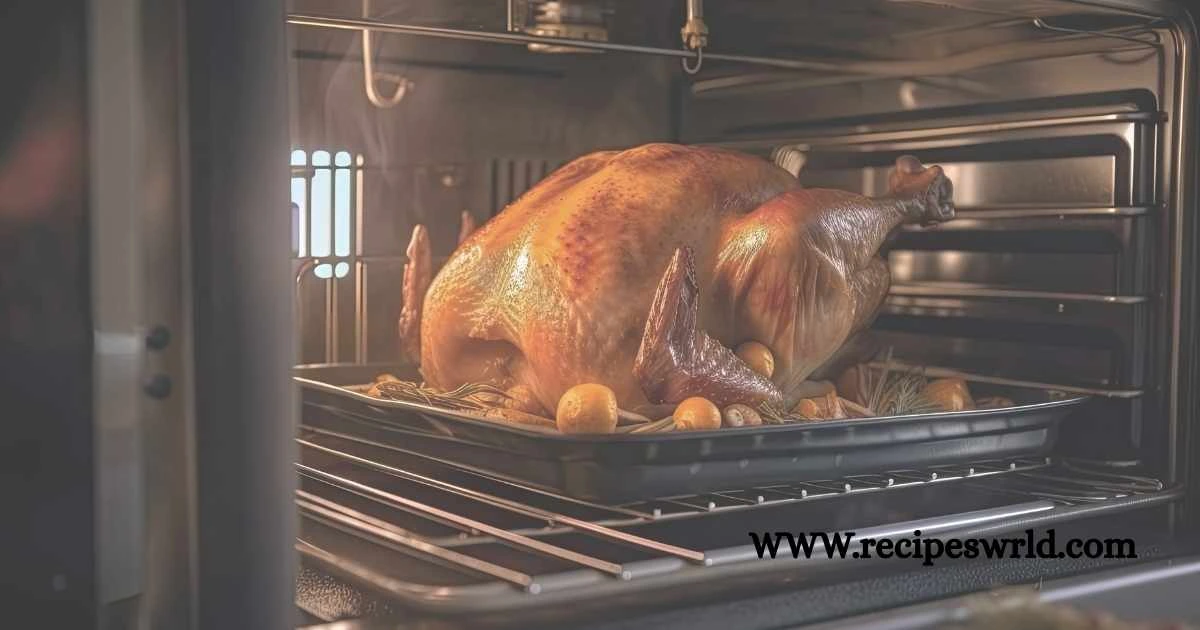
Picture this: golden-brown skin glistening under the afternoon sun, wisps of aromatic smoke dancing around a magnificent bird that’s about to become the centerpiece of your family gathering. That first moment when you lift the lid and reveal your masterpiece—when everyone’s jaw drops and cameras come out—that’s the moment you’ve been working toward.
I’ll be honest with you. My first attempt at smoking turkey left me checking temperatures every fifteen minutes, second-guessing decisions, and wondering if I’d just ruined Thanksgiving. But when I finally carved into that bird and saw the perfect pink smoke ring circling tender, juice-laden meat, everything clicked. You’re probably standing where I once stood—excited about the possibilities but uncertain about the details.
Here’s the truth: smoking an outstanding turkey on your pellet grill isn’t mysterious wizardry. It’s about understanding temperature control and following proven methods. Let me walk you through everything that transforms an average backyard cook into someone whose turkey gets requested year after year.
Why Your Pellet Smoker Creates Superior Turkey
Your pellet smoker offers advantages that traditional smoking methods simply cannot match. The digital temperature control maintains consistency within 5-10 degrees Fahrenheit, while charcoal smokers fluctuate wildly by 25 degrees or more. This precision means you’ll achieve repeatable results every single time.
The convection-style heat circulation surrounds your turkey evenly, eliminating those frustrating hot spots that char one side while leaving another undercooked. Meanwhile, hardwood pellets infuse authentic smoke flavor throughout the cooking process without the babysitting required by stick burners or offset smokers.
Think about it this way: you’re combining old-world flavor with modern convenience. Your pellet smoker becomes a reliable partner rather than an unpredictable adversary.
Decoding Temperature Zones for Perfect Results
Temperature selection dramatically influences your final product. Understanding these three approaches helps you choose the right method for your situation.
The Low-and-Slow Approach (225°F – 250°F)
This traditional method delivers maximum smoke penetration and produces that coveted deep smoke ring. Your turkey absorbs flavor compounds more effectively at lower temperatures, creating complexity that higher heat cannot replicate.
However, patience becomes essential here. Calculate 30-40 minutes per pound, meaning a 14-pound turkey requires roughly 7-8 hours. Reserve this method for days when you’re home and time isn’t pressing.
The Balanced Sweet Spot (275°F – 300°F)
This represents the goldilocks zone for most home cooks. You’ll strike an excellent balance between smoke flavor and cooking efficiency, finishing your bird in approximately 20-25 minutes per pound.
The slightly elevated temperature still allows substantial smoke absorption while producing crispy skin and maintaining juicy meat. For your first pellet smoker turkey, this range offers the highest success probability. Most pitmasters consider 275°F their default setting for poultry.
The Quick Method (325°F – 350°F)
When circumstances demand faster cooking—maybe guests arrive earlier than expected—this approach gets you across the finish line in just 13-15 minutes per pound. Your skin will crisp beautifully, creating that satisfying crunch everyone loves.
The tradeoff involves less smoke penetration. Your turkey will taste good but won’t have that deep, smoky character achieved at lower temperatures. Think of this as your backup plan rather than your primary strategy.
Your Step-by-Step Temperature Timeline
Success begins long before your turkey touches the grill grates. Careful preparation lays the groundwork for everything that comes next.
Preparation Makes the Difference
Start with a completely thawed bird—this isn’t negotiable. Allow 24 hours of refrigerator thawing per 4-5 pounds of turkey. Rushing this step with water baths or countertop thawing creates food safety risks you shouldn’t take.
Brining transforms good turkey into exceptional turkey. A simple solution of water, salt, and sugar penetrates the meat, adding moisture and flavor while helping the proteins retain juices during cooking. Twelve to twenty-four hours in brine produces noticeably superior results.
After brining, pat your turkey completely dry with paper towels. Moisture on the skin prevents crisping—you want that surface as dry as possible. Let the bird sit at room temperature for 30-60 minutes before smoking. Cold turkey hitting the grill extends cooking time and can lead to uneven results.
The Initial Smoke Phase (First 2 Hours)
Set your pellet smoker to 225°F-250°F regardless of your planned cooking temperature. This crucial period allows maximum smoke absorption. The meat accepts smoke compounds most readily when temperatures stay below 250°F.
During these first two hours, resist the temptation to open the lid. Each peek drops the temperature by 25-50 degrees and extends your cooking time. Trust your pellet smoker’s thermostat and save the checking for later.
Main Cooking Phase
After the initial smoke phase, increase your temperature to your chosen cooking range. For most situations, 275°F-300°F delivers optimal results. Insert a probe thermometer into the thickest part of the breast, being careful not to touch bone.
Monitor both breast and thigh temperatures throughout cooking. Dark meat benefits from higher internal temperatures than white meat, so expect the thighs to lag behind initially. This timing actually works in your favor—as the thighs reach perfection, the breast stays juicy without overcooking.
Critical Temperature Checkpoints
Understanding when your turkey is finished requires knowing multiple temperature benchmarks. The USDA mandates 165°F as the minimum safe temperature for poultry. However, achieving safety and achieving excellence aren’t always the same thing.
Target 165°F-170°F in the breast meat. Pull your turkey from the smoker when the thermometer reads 160°F—carryover cooking will add 5-10 degrees during the resting period. This approach prevents overcooking, which leads to dry, disappointing meat.
Your thighs and drumsticks should reach 175°F-180°F. Dark meat contains more connective tissue that breaks down at higher temperatures, becoming tender and succulent rather than rubbery. Don’t worry about the temperature differential—the thicker breast meat naturally takes longer to cook.
Check temperatures in multiple locations. Insert your thermometer into the breast near the wing, the deepest part of the breast, and the inner thigh. This ensures even cooking throughout.
Timing Your Cook Properly
While temperature determines doneness, understanding approximate timing helps you plan your meal. A 14-pound turkey at 275°F requires roughly 4.5-5.5 hours. Build in buffer time—you can always hold a finished turkey wrapped in foil and towels in a cooler (it’ll stay hot for 2-3 hours), but you cannot speed up an undercooked bird.
External factors affect cooking time. Ambient temperature, wind, how often you open the lid, and even the specific pellet grill model create variables. Winter smoking takes longer than summer cooking. Windy conditions force your pellet smoker to work harder, potentially extending cooking times.
Spatchcocking—removing the backbone and flattening the turkey—reduces cooking time by 30-40% while promoting even cooking. The technique intimidates some folks, but it’s actually straightforward with kitchen shears and delivers consistently excellent results.
Avoiding Temperature-Related Disasters
Opening your pellet smoker lid repeatedly ranks as the most common mistake. Every time that lid lifts, heat escapes and smoke flavor dissipates. Plan your basting or checking intervals strategically rather than peeking every twenty minutes.
Cooking to time rather than temperature causes more ruined turkeys than any other single error. Your neighbor’s 14-pound turkey might finish thirty minutes faster or slower than yours due to countless variables. The thermometer never lies—trust it completely.
Starting at excessively high temperatures limits smoke absorption. Yes, you’re eager to finish cooking, but those first two hours at 225°F-250°F create the flavor foundation everything else builds upon. Shortcut this phase and you’ll sacrifice the very quality that makes smoked turkey special.
Selecting the Right Wood Pellets
Your pellet choice influences flavor significantly. Apple pellets provide mild, slightly sweet smoke that complements poultry beautifully without overwhelming delicate meat. Cherry pellets deliver similar characteristics while adding a gorgeous mahogany color to the skin.
Hickory and mesquite—favorites for beef and pork—prove too aggressive for turkey. These strong woods overpower rather than enhance. Save them for brisket and ribs.
Maple offers subtle sweetness that pairs wonderfully with glazed preparations. Pecan provides nutty complexity without excessive strength. Oak serves as a reliable all-purpose option when you’re unsure.
Many experienced cooks blend pellets, combining apple with a small amount of hickory or mixing cherry with oak. Experimentation reveals combinations that match your preferences.
The Resting Period Nobody Skips
After reaching target temperature, tent your turkey loosely with aluminum foil and let it rest for 20-30 minutes minimum. This step isn’t optional or a suggestion—it’s absolutely critical.
During resting, juices redistribute throughout the meat. Cut immediately and those precious liquids run onto your cutting board instead of staying in the meat where they belong. Your patience during these final minutes determines whether you serve juicy turkey or dry disappointment.
The internal temperature will continue rising during rest, adding those final 5-10 degrees through carryover cooking. This phenomenon allows you to pull the bird slightly early, preventing overcooking while still achieving food safety.
Troubleshooting Common Temperature Issues
Sometimes your breast cooks faster than your thighs. Shield the breast with aluminum foil while allowing the thighs to continue cooking. Alternatively, rotate your turkey’s position, moving the breast away from the hottest part of your pellet smoker.
If skin refuses to crisp, increase temperature to 350°F for the final 20-30 minutes. Brush on a thin layer of oil or melted butter to help achieve a golden, well-browned finish. Removing any water pan also helps, as excess humidity softens skin.
Temperature stalls—periods where internal temperature plateaus despite continued heat—occur occasionally. Patience usually resolves stalls naturally. If you’re pressed for time, wrap your turkey in foil (the “Texas crutch” method) or bump your temperature up 25 degrees.
Your Path to Pellet Smoker Turkey Mastery
Smoking turkey on your pellet grill represents one of the most rewarding cooking experiences you’ll tackle. That combination of wood smoke, perfectly rendered skin, and tender meat creates something genuinely special.
Remember these essential principles: start at 225°F-250°F for two hours of smoke absorption, increase to 275°F-300°F for the main cook, pull your bird at 160°F-165°F internal temperature accounting for carryover, and always rest for 20-30 minutes before carving.
Your pellet smoker handles the heavy lifting—consistent temperature control, even heat distribution, and reliable performance. Your job involves proper preparation, patience during the cook, and trust in the process.
That nervous energy before your first smoke will transform into confident anticipation after your first success. The compliments flowing from family and friends, the requests for “your secret,” and the pride in creating restaurant-quality turkey at home make every minute worthwhile.
Ready to create your best turkey ever? Fire up that pellet smoker, set your temperature with confidence, and prepare for the compliments that are about to come your way. Your family’s new favorite tradition starts with your next cook.