Find simple explanations of how ground lamb recipes are typically prepared.
Table of Contents
The Ultimate Guide to Ground Lamb Recipe Success: Simple Techniques for Delicious Home-Cooked Meals
Picture this: a Sunday afternoon, your kitchen filled with the scent of cumin and coriander mingling with browning meat. Your family gathers around the table, drawn by an aroma that promises something extraordinary. This isn’t just another weeknight dinner—this is what happens when you unlock the secrets of cooking with ground lamb.
Many home cooks shy away from lamb, intimidated by its reputation or unsure how to handle its distinctive character. Yet once you understand the fundamentals of preparing this versatile protein, you’ll discover why chefs across the Mediterranean and Middle East have cherished it for generations. Today, you’re about to learn everything you need to transform simple ground lamb into restaurant-quality meals that’ll have everyone asking for seconds.
What Makes Ground Lamb Different from Other Ground Meats?
Understanding Ground Lamb’s Unique Characteristics
Ground lamb stands apart from beef, pork, or turkey in several fascinating ways. The meat carries a richer, slightly sweet flavor with earthy undertones that food enthusiasts describe as robust rather than gamey. This distinct taste comes from the lamb’s diet and the specific cuts used for grinding—typically shoulder, leg, or breast.
Your ground lamb contains roughly 15-20% fat content, sitting comfortably between lean ground beef and regular ground beef. This fat isn’t your enemy; it’s actually what delivers that incredible moisture and flavor. The meat also packs impressive nutritional benefits: high-quality protein, substantial amounts of iron and zinc, plus B vitamins that support your energy levels throughout the day.
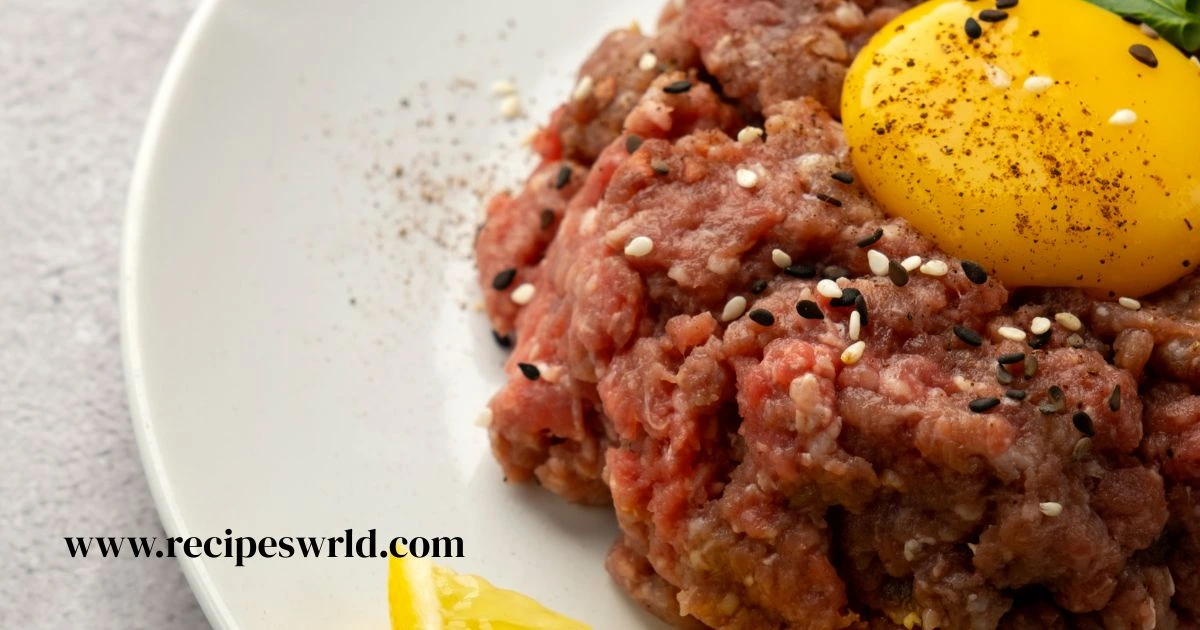
When you examine fresh ground lamb at your butcher counter, look for meat displaying a bright to dark red color. The texture should appear slightly moist, and the smell should be clean with a faint sweetness. Any grayish tones or sour odors mean you should pass and find a fresher option.
Why Ground Lamb Recipe Dishes Are Growing in Popularity
Walk into any trendy restaurant lately, and you’ll notice lamb appearing on more menus than ever before. This surge stems from several converging factors. Health-conscious diners seeking alternatives to conventional beef have discovered lamb’s grass-fed origins and cleaner nutritional profile. Meanwhile, the explosion of Mediterranean and Middle Eastern cuisines in Western culture has introduced countless people to dishes they never knew they were missing.
You’re also benefiting from improved availability. Where your parents might have struggled to find quality ground lamb outside specialty stores, today’s supermarkets stock it regularly. This accessibility, combined with social media showcasing gorgeous lamb dishes from around the world, has sparked curiosity among home cooks ready to expand their repertoire.
Essential Preparation Techniques for Ground Lamb Recipe Success
Selecting and Storing Ground Lamb
Your journey to an exceptional ground lamb recipe starts at the point of purchase. When you’re standing at the meat counter, examine the packaging date carefully—fresher is always better. Press gently on the package; the meat should spring back, not leave an indentation. If you’re buying from a butcher, don’t hesitate to ask when it was ground. Same-day or previous-day grinding delivers optimal results.
Storage requires attention to detail. In your refrigerator, ground lamb stays fresh for just 1-2 days maximum. Plan your meals accordingly, or commit to freezing immediately upon arriving home. For freezer storage, wrap the meat tightly in plastic wrap, then add a layer of aluminum foil or place it in a freezer bag with all air pressed out. Properly stored, your lamb maintains quality for 3-4 months.
Thawing demands patience. Transfer frozen lamb to your refrigerator 24 hours before cooking. If you’re pressed for time, seal the package in a waterproof bag and submerge it in cold water, changing the water every 30 minutes. Never thaw on your counter—bacteria multiply rapidly at room temperature.
Pre-Cooking Preparation Steps
Before any heat touches your lamb, take it from the refrigerator 15-20 minutes ahead of cooking time. This simple step ensures even cooking throughout, preventing that frustrating scenario where the outside overcooks while the center stays raw.
Breaking apart the meat properly sets you up for success. Whether you use your hands, a wooden spoon, or a potato masher, the goal remains consistent: separate clumps before they hit the heat. This prevents those dense, tough chunks that can ruin an otherwise perfect dish.
Seasoning strategy varies among professional cooks, but here’s what works reliably: add salt during cooking rather than beforehand to avoid drawing out moisture prematurely. Meanwhile, dry spices benefit from hitting the hot pan early, allowing their oils to bloom and permeate the meat.
Core Cooking Methods for Ground Lamb Recipe Preparation
Pan-Searing Method
Pan-searing delivers the most control for your ground lamb recipe preparations. Start by heating your skillet over medium-high heat—you want it hot enough that a water droplet dances across the surface. Add just a tablespoon of olive oil; remember, lamb releases its own fat as it cooks.
Once your aromatics (onions, garlic, ginger) have softened, introduce the ground lamb. Here’s where technique matters: break it apart immediately but resist the urge to stir constantly. Let portions sit undisturbed for 30-60 seconds, allowing that beautiful brown crust to develop. This caramelization creates depth of flavor through the Maillard reaction—the chemical process that makes browned meat irresistible.
The entire process takes 7-10 minutes. You’ll know it’s done when no pink remains visible and your meat thermometer reads 160°F at the thickest part. If excess fat pools in your pan (more common with higher-fat content lamb), tilt the skillet and carefully spoon it out, leaving just enough to keep things moist.
Oven-Baking Method
Sometimes you need hands-free cooking, and that’s when oven-baking shines. This method works beautifully for meatballs, meatloaves, or when you’re preparing multiple pounds simultaneously. Preheat your oven to 375°F and line your baking sheet with parchment paper for effortless cleanup.
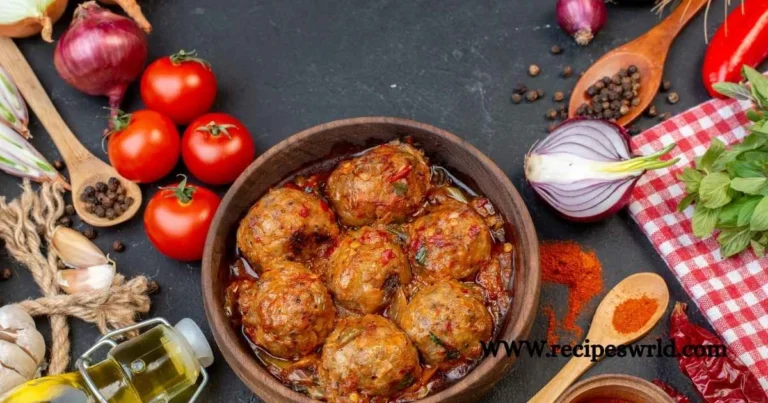
Shape your seasoned lamb into whatever form your recipe requires, spacing pieces at least an inch apart for even heat circulation. Baking typically requires 18-25 minutes depending on size and thickness. Meatballs need less time than a full meatloaf, so adjust accordingly and always verify with that trusty thermometer.
Slow-Cooking Method
For deeply flavored curries, ragus, and stews, slow-cooking transforms ground lamb into something magical. The extended cooking time allows spices to meld thoroughly while the meat becomes impossibly tender. Brown your lamb first in a skillet—this crucial step locks in flavor that straight slow-cooking can’t achieve. Then transfer everything to your slow cooker, add liquids and aromatics, set it on low, and walk away for 4-6 hours.
Step-by-Step: Basic Ground Lamb Recipe Preparation
Let’s walk through a master recipe that forms the foundation for countless dishes.
Simple Seasoned Ground Lamb
| Ingredient | Quantity | Purpose |
|---|---|---|
| Ground lamb | 1 pound (450g) | Base protein |
| Olive oil | 1 tablespoon | Cooking fat |
| Onion, diced | 1 medium | Aromatic base |
| Garlic, minced | 3 cloves | Flavor enhancement |
| Ground cumin | 1 teaspoon | Warm, earthy flavor |
| Ground coriander | 1 teaspoon | Citrusy brightness |
| Paprika | 1 teaspoon | Color and mild heat |
| Salt | 1 teaspoon | Seasoning |
| Black pepper | ½ teaspoon | Seasoning |
| Fresh parsley | ¼ cup, chopped | Fresh finish |
Your Cooking Process:
Heat your skillet over medium-high heat and add the olive oil. Toss in your diced onion, stirring occasionally until it turns translucent—roughly 3-4 minutes. The onion should soften but not brown. Add your minced garlic, stirring constantly for just 30 seconds. Garlic burns quickly, turning bitter, so watch it closely.
Now comes your ground lamb. Add it all at once, immediately breaking it apart with your wooden spoon or spatula. Work it into small, uniform pieces—think the size of a pea or slightly larger. Let sections rest for 30-60 seconds between stirring to develop that coveted brown crust.
After 5-7 minutes, when most of the pink has disappeared, sprinkle in all your spices: cumin, coriander, paprika, salt, and pepper. Stir thoroughly, ensuring even distribution. The spices will bloom in the hot fat, releasing their full aromatic potential. Continue cooking another 2-3 minutes, stirring occasionally, until your meat reaches 160°F internally.
Remove from heat and fold in your fresh parsley. Taste and adjust seasoning—every palate differs, so trust yours. This basic preparation works brilliantly in tacos, over rice, stuffed in peppers, mixed with pasta, or wrapped in flatbread.
Expert Tips for Perfect Ground Lamb Recipe Results Every Time
Avoiding Common Mistakes
Preventing Greasiness: Your lamb might release more fat than expected, especially if you’ve purchased a higher-fat blend. Combat this by avoiding pan overcrowding, which traps steam and fat. Cook in batches if necessary, and don’t hesitate to drain excess fat partway through cooking. Paper towels work wonderfully for blotting—just press gently against the cooked meat.
Avoiding Tough, Dry Lamb: Overcooking is your enemy. That 160°F target isn’t negotiable for food safety, but anything beyond transforms tender meat into disappointing rubber. Set your timer, use your thermometer, and remove the pan from heat promptly. If your lamb seems dry, stir in a splash of broth, a spoonful of Greek yogurt, or even a tablespoon of butter at the end.
Balancing Strong Lamb Flavor: Some people adore lamb’s distinctive taste; others need it mellowed. If you fall into the latter camp, generously deploy fresh herbs like mint, parsley, and cilantro. Acidic ingredients—lemon juice, diced tomatoes, pomegranate molasses—also temper richness beautifully. Loading up on aromatic vegetables (onions, garlic, ginger, fennel) creates aromatic complexity that balances the meat.
Flavor Enhancement Techniques
Professional chefs layer flavors deliberately, and you can too. Toast whole spices (cumin seeds, coriander seeds) in a dry pan before grinding them fresh. The difference in flavor intensity will astound you. When browning meat, resist stirring for those crucial 30-60 second intervals—patience rewards you with deeper, more complex flavors.
Add hardy herbs like rosemary and thyme early in cooking; their flavors need time to infuse. Save delicate herbs like parsley, cilantro, and mint for the final moments before serving. This dual-stage approach maximizes aromatic impact.
Consider ingredients that complement lamb’s richness: pine nuts add buttery crunch, dried apricots or raisins introduce subtle sweetness, feta cheese contributes tangy creaminess, and lemon zest brightens everything with citrus notes.
Frequently Asked Questions About Ground Lamb Recipe Preparation
What’s the best way to prepare ground lamb for beginners?
Start simple with pan-searing. Heat your skillet, add the meat with basic seasonings (salt, pepper, garlic, cumin), break it apart, and cook until browned at 160°F. This straightforward ground lamb recipe technique works perfectly for tacos, pasta sauces, or rice bowls, building your confidence before tackling more complex preparations.
How do I make ground lamb recipe dishes less gamey?
Several techniques reduce lamb’s distinctive flavor. Soak raw meat in milk for 30 minutes before cooking—the milk proteins bind with compounds causing strong flavors. Load your recipe with aromatic vegetables and fresh herbs. Add acidic elements like lemon juice or tomatoes. These adjustments create balance without masking lamb’s essential character.
Can I substitute ground lamb in any ground beef recipe?
Absolutely, though expect richer, more distinctive results. Ground lamb excels in tacos, burgers, meatballs, pasta sauces, and casseroles. Adjust your seasonings toward Mediterranean or Middle Eastern profiles—cumin, coriander, mint—for the most harmonious ground lamb recipe outcomes.
What spices work best in a ground lamb recipe?
Cumin, coriander, cinnamon, paprika, and allspice form your spice foundation. Fresh herbs like mint, parsley, and cilantro add brightness. For Mediterranean dishes, incorporate oregano and thyme. Middle Eastern preparations shine with za’atar or baharat spice blends. Experiment to discover your preferred combinations.
Your Journey to Ground Lamb Recipe Mastery Starts Now
You’ve just absorbed everything needed to confidently prepare exceptional ground lamb dishes. From selecting the right meat at your butcher counter to mastering multiple cooking methods, you now possess knowledge that transforms simple ingredients into memorable meals.
The beauty of ground lamb lies in its versatility and forgiving nature. Start with the basic seasoned preparation outlined above. Once comfortable, branch into Greek moussaka, Turkish köfte, Middle Eastern keema curry, or your own creative fusion dishes. Each attempt builds your intuition about seasoning levels, cooking times, and flavor combinations.
Don’t let intimidation hold you back another day. Ground lamb isn’t exotic or complicated—it’s simply delicious protein waiting for your personal touch. Your family and friends will notice the difference immediately when you serve them something beyond the ordinary weeknight rotation.
Ready to begin? Grab a pound of ground lamb on your next shopping trip. Choose your favorite spices, heat that skillet, and create something amazing tonight. Your kitchen is about to smell absolutely incredible, and your dinner table conversation will shift from “what’s for dinner?” to “can we have this again tomorrow?”
Share your ground lamb recipe successes in the comments below—we’d love to hear which preparation became your household favorite!