Mexican ceviche – Learn what makes authentic Mexican ceviche unique and how it’s traditionally prepared.
Table of Contents
There are dishes you eat, and then there are dishes you experience. Mexican ceviche belongs firmly in the second category. The first bite is always a surprise—bright citrus, clean seafood, a gentle crunch from vegetables, and a freshness that feels almost alive. If you have ever tasted mexican ceviche by the coast or prepared it yourself on a warm afternoon, you know it is not just food. It is a moment.
In this guide, you’ll learn what sets authentic mexican ceviche apart, how it is traditionally prepared, and why it has earned its place as one of Mexico’s most beloved coastal dishes. By the end, you’ll not only understand it—you’ll feel confident making it yourself.
What Is Mexican Ceviche? A Fresh Coastal Classic
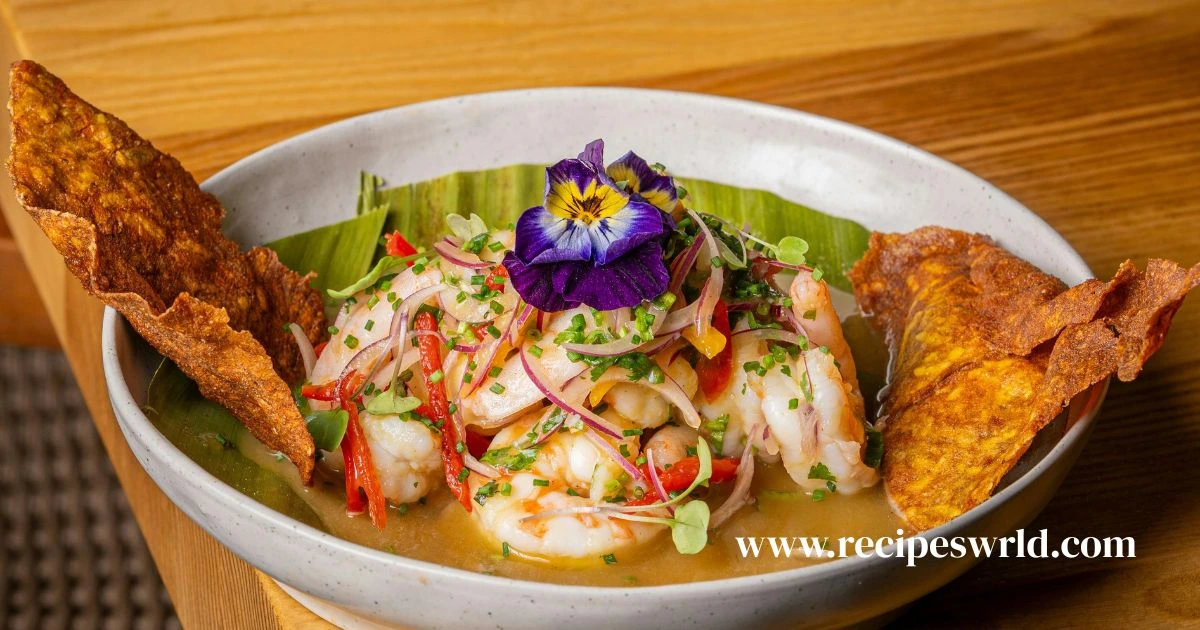
Mexican ceviche is a traditional seafood dish made by curing raw fish or shellfish in freshly squeezed lime juice. Instead of heat, citrus transforms the texture of the seafood, turning it opaque and firm while keeping the flavor light and clean.
What makes mexican ceviche distinct is its balance. You’re not overwhelmed by spice or heavy seasoning. Instead, every ingredient has a purpose: acidity for brightness, vegetables for texture, herbs for aroma, and seafood as the star.
Unlike many modern versions, authentic mexican ceviche focuses on:
- Simplicity
- Freshness
- Minimal handling
When prepared correctly, you taste the ocean first—everything else supports it.
The Origins of Authentic Mexican Ceviche
Coastal Roots and Indigenous Influence
Mexican ceviche has deep roots along Mexico’s Pacific and Gulf coasts. Long before refrigeration, coastal communities relied on citrus and salt to preserve seafood safely. Lime juice wasn’t just flavor—it was necessity.
Indigenous groups used local fish, wild citrus, and herbs, creating early forms of ceviche that were practical and nourishing. Over time, these methods became tradition, passed from one generation to the next.
How Mexican Ceviche Evolved Over Time
As trade and travel expanded, ingredients like onion, cilantro, and chili peppers became standard. Spanish influence introduced new cutting techniques, while regional preferences shaped flavor profiles.
Even today, mexican ceviche remains flexible. While modern versions exist, traditional preparation still follows the same core idea: respect the ingredient, don’t overpower it.
What Makes Mexican Ceviche Unique Compared to Other Styles
Mexican Ceviche vs Peruvian Ceviche
Although ceviche appears across Latin America, mexican ceviche stands apart.
Here’s how you notice the difference:
- Mexican ceviche uses lime juice as the primary curing agent
- Tomatoes and onions add color and sweetness
- Marinating time is longer, creating a firmer texture
- The final dish feels refreshing rather than intense
Peruvian ceviche often emphasizes sharp acidity and immediate service. Mexican ceviche invites patience and balance.
Flavor Profile You’ll Recognize Instantly
When you eat mexican ceviche, you experience:
- Bright citrus without bitterness
- Mild heat, never overpowering
- Clean seafood flavor
- A crisp, fresh finish
It’s the kind of dish you can enjoy repeatedly without fatigue.
Traditional Ingredients Used in Authentic Mexican Ceviche
Core Ingredients You’ll Always Find
| Ingredient | Purpose | Notes |
|---|---|---|
| Fresh fish or shrimp | Main protein | Always very fresh |
| Lime juice | Natural curing | Freshly squeezed only |
| Roma tomatoes | Sweetness & color | Finely chopped |
| White onion | Sharp contrast | Soaked briefly if strong |
| Cilantro | Fresh aroma | Added last |
| Jalapeño or serrano | Gentle heat | Optional |
Each ingredient works in harmony. Nothing is decorative. Everything earns its place.
Optional Regional Additions
Depending on where you are in Mexico, you might also find:
- Avocado for creaminess
- Cucumber for crunch
- Carrot for subtle sweetness
These additions vary, but the foundation never changes.
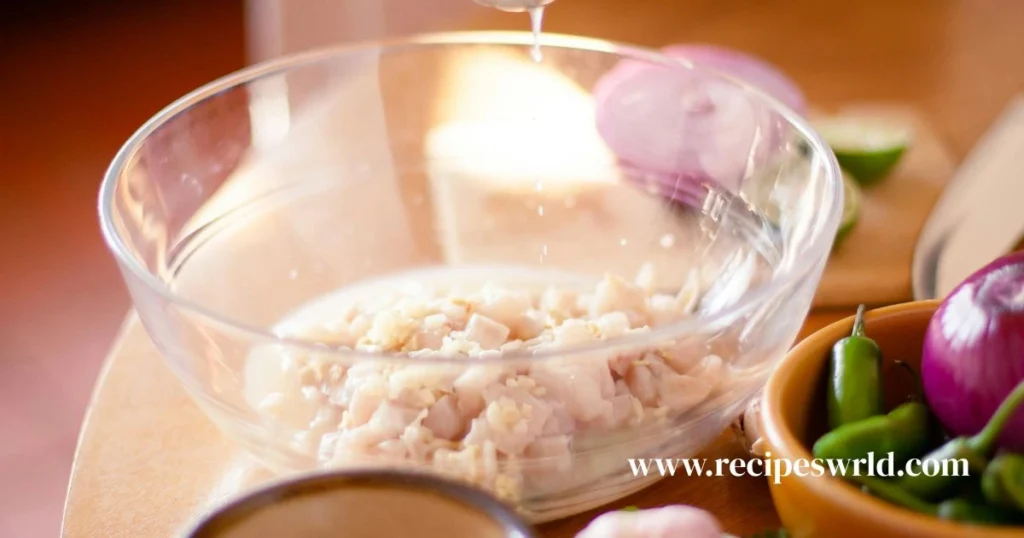
How Mexican Ceviche Is Traditionally Prepared
Step-by-Step Traditional Method
Making authentic mexican ceviche is about timing and attention.
- Choose the freshest seafood available
- Cut fish into evenly sized cubes
- Cover completely with lime juice
- Refrigerate until the texture turns opaque
- Drain excess juice if needed
- Add vegetables and season gently
- Rest briefly before serving
How Long Should Mexican Ceviche Marinate?
Most fish requires 20 to 40 minutes. Shrimp may take slightly longer. You know it’s ready when:
- The flesh turns white
- The texture firms up
- The aroma stays clean
Over-marinating dulls flavor, so watch closely.
Popular Regional Variations of Mexican Ceviche
Pacific Coast Mexican Ceviche
- Fish-based
- Tomato-forward
- Served generously on tostadas
Gulf-Style Mexican Ceviche
- Shrimp-focused
- Softer citrus flavor
- Often chilled longer
Sinaloa-Style Mexican Ceviche
- Minimal ingredients
- Extra lime juice
- Seafood remains the focus
Each region adds its own voice, but the soul stays intact.
How Mexican Ceviche Is Traditionally Served
Classic Accompaniments
Mexican ceviche is rarely eaten alone. You’ll usually enjoy it with:
- Crispy tostadas
- Saltine crackers
- Fresh avocado slices
The contrast between crunchy and tender makes every bite more satisfying.
When You’ll See It on the Table
You’ll often find mexican ceviche at:
- Family gatherings
- Beach outings
- Warm-weather celebrations
It’s meant to be shared, not rushed.
Nutritional Benefits of Mexican Ceviche
A Naturally Light and Nourishing Dish
Mexican ceviche offers:
- High-quality protein
- Healthy fats
- Minimal carbohydrates
It fits easily into balanced eating habits without feeling restrictive.
Perfect for Warm Climates
With hydrating vegetables and citrus, mexican ceviche feels cooling and refreshing—ideal for hot days when heavy meals feel overwhelming.
Common Mistakes to Avoid When Making Mexican Ceviche
Avoid these errors to protect both flavor and texture:
- Using seafood that isn’t fresh
- Letting it sit too long in lime juice
- Adding vegetables before curing finishes
- Over-seasoning with salt or chili
Precision makes all the difference.
Frequently Asked Questions About Mexican Ceviche
What makes mexican ceviche authentic?
Authenticity comes from fresh seafood, lime-based curing, simple ingredients, and minimal manipulation.
Is mexican ceviche safe to eat?
Yes, when prepared with fresh seafood and enough citrus acidity, it is considered safe.
How long does mexican ceviche last in the fridge?
For best quality, consume within 24 hours. Texture softens after that.
Can mexican ceviche be prepared ahead of time?
You can prep ingredients early, but combine them shortly before serving for ideal texture.
Conclusion: Why Mexican Ceviche Belongs on Your Table
Mexican ceviche is proof that great food doesn’t need complexity—it needs care. When you prepare it properly, you honor a tradition shaped by the sea, the sun, and generations of shared meals.
Now that you understand what makes authentic mexican ceviche unique, you’re ready to bring it into your own kitchen. Try it, adjust gently, and make it yours—without losing its soul.
Ready to explore more authentic recipes like this?
Bookmark this guide, share it with fellow food lovers, and visit RecipesWrld.com for more trusted culinary inspiration. Your next unforgettable meal starts now.