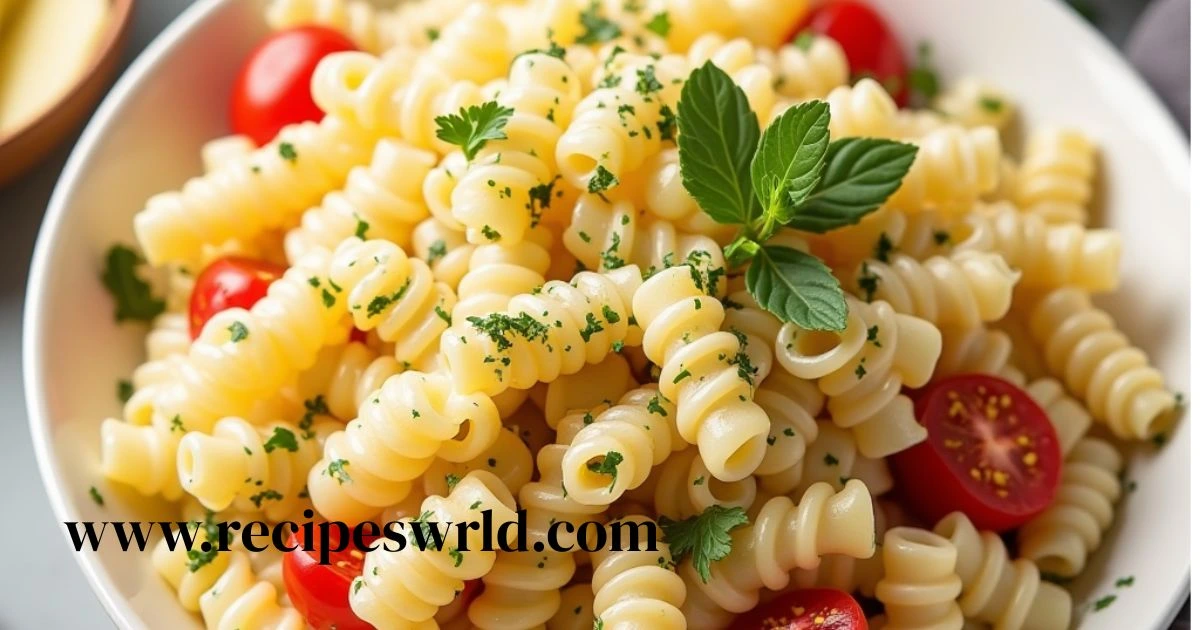
Pasta salad with mayo explained – why mayonnaise is used and how it affects flavor and texture.
Table of Contents
You probably remember the first time you tasted a truly good pasta salad with mayo. It may have been at a family gathering, a summer picnic, or a casual lunch where one bowl quietly stole the spotlight. Creamy but not heavy, comforting yet refreshing, it felt familiar and satisfying in a way that stayed with you. Pasta salad with mayo isn’t just a side dish—it’s a texture experience, a flavor balance, and for many people, a taste tied to memories.
If you’ve ever wondered why mayonnaise is used in pasta salad, what it actually does to flavor and texture, or how to make it taste better instead of bland or greasy, you’re in the right place. In this guide, you’ll get a clear, practical explanation of how pasta salad with mayo works, why it remains so popular, and how you can master it every time. By the end, you’ll understand not just how to make it, but why it works.
What Makes Pasta Salad with Mayo So Popular?
Pasta salad with mayo is a cold or chilled dish where cooked pasta is coated in a mayonnaise-based dressing and mixed with vegetables, proteins, and seasonings. Unlike oil-based pasta salads, this version focuses on creaminess, cohesion, and a softer mouthfeel.
A Simple Dish with Lasting Appeal
At its core, pasta salad with mayo is uncomplicated. You cook pasta, cool it, mix it with mayo, and add ingredients that bring contrast. Yet this simplicity is exactly why it has endured for decades. It adapts easily to what you have on hand and suits many occasions.
When You Usually See It Served
You’ll most often find pasta salad with mayo at:
- Picnics and barbecues
- Family gatherings
- Potlucks and celebrations
- Casual lunches and meal prep
It works because it feels approachable. You don’t need exotic ingredients or advanced skills—just balance.
Why Mayonnaise Is Used in Pasta Salad
The key to understanding pasta salad with mayo lies in understanding mayonnaise itself. Mayo isn’t just a condiment; it’s a structured mixture that plays several roles at once.
Flavor Enhancement Without Sharpness
Mayonnaise has a mild tang and subtle richness. When you use it in pasta salad, it:
- Softens strong flavors like onion or vinegar
- Carries seasoning evenly across every bite
- Adds depth without overpowering other ingredients
Unlike sharp vinaigrettes, mayo doesn’t dominate. It supports.
Texture and Mouthfeel
One of the biggest reasons pasta salad with mayo is so loved is texture. Mayo:
- Coats pasta evenly
- Creates a smooth, cohesive bite
- Prevents the salad from feeling dry
Without mayo, cold pasta can feel stiff or disconnected. With mayo, everything holds together.
How Mayo Binds Ingredients Together
Mayonnaise is an emulsion, meaning it blends fat and liquid into a stable mixture. In pasta salad with mayo, this means:
- Vegetables cling to pasta instead of sinking
- Seasonings stay distributed
- The salad remains creamy even after chilling
This binding effect is something oil-based dressings can’t fully replicate.
How Pasta Salad with Mayo Differs from Oil-Based Pasta Salad
Understanding the contrast helps you choose the right style for the right moment.
Flavor Differences
Pasta salad with mayo:
- Mild, rich, and rounded
- Comfort-focused
- Less acidic
Oil-based pasta salad:
- Bright and sharp
- Herb-forward
- Often more acidic
Texture Differences
Creamy pasta salad feels unified. Oil-based versions feel lighter and looser. Neither is better; they serve different purposes.
Quick Comparison Table
| Feature | Pasta Salad with Mayo | Oil-Based Pasta Salad |
|---|---|---|
| Texture | Creamy, cohesive | Light, separate |
| Flavor | Mild, comforting | Bright, tangy |
| Best use | Potlucks, family meals | Mediterranean-style meals |
Best Ingredients for Pasta Salad with Mayo
Choosing the right ingredients is what separates a forgettable salad from one people ask about.
Pasta Shapes That Work Best
Short pasta with curves or pockets holds mayo better:
- Elbow macaroni
- Rotini
- Shells
- Farfalle
Avoid long pasta—it doesn’t coat evenly.
Vegetables That Complement Mayo
Crisp vegetables balance the creaminess:
- Celery for crunch
- Red onion for bite
- Bell peppers for sweetness
- Peas for softness
Proteins and Add-Ins
Proteins turn pasta salad with mayo into a complete meal:
- Chicken
- Tuna
- Eggs
- Cheese cubes
Ingredient Function Table
| Ingredient | Role | Effect on Texture |
|---|---|---|
| Mayonnaise | Dressing base | Creamy, smooth |
| Pasta | Structure | Neutral |
| Celery | Contrast | Crunchy |
| Eggs | Protein | Soft, rich |
How Mayonnaise Affects Flavor Balance
Mayo doesn’t just add creaminess—it reshapes how flavors interact.
Fat Softens Sharp Notes
Fat carries flavor. In pasta salad with mayo:
- Salt tastes more rounded
- Acid feels smoother
- Herbs taste fuller
This is why mayo-based salads need seasoning more than acidity.
Seasonings That Work Best with Mayo
To keep flavors lively, pair mayo with:
- Mustard for depth
- Lemon juice or vinegar for brightness
- Salt and pepper for balance
A small amount of acid prevents the salad from tasting flat.
Common Mistakes When Making Pasta Salad with Mayo
Even simple dishes can go wrong. These mistakes are easy to avoid once you know them.
Adding Mayo to Hot Pasta
Warm pasta absorbs fat too quickly. This causes:
- Oily texture
- Broken dressing
Always let pasta cool first.
Overdressing
Too much mayo can overwhelm:
- Start with less
- Add more after chilling
Pasta absorbs dressing over time.
Underseasoning
Mayo dulls salt. Taste and adjust before serving.
Health and Storage Considerations
Pasta salad with mayo can be safe and flexible when handled properly.
Food Safety Tips
- Keep chilled below room temperature
- Don’t leave out longer than two hours
- Store in airtight containers
Healthier Mayo Options
You can adjust without losing texture:
- Light mayonnaise
- Half mayo, half Greek yogurt
- Plant-based mayonnaise
When Pasta Salad with Mayo Is the Best Choice
This style shines when comfort matters more than sharpness.
It’s ideal for:
- Shared meals
- Make-ahead dishes
- Crowd-friendly sides
Pasta salad with mayo holds up well, travels easily, and satisfies a wide range of tastes.
FAQ – Pasta Salad with Mayo
Why is pasta salad with mayo so popular?
Because it combines comfort, balance, and familiarity in one dish.
Can you substitute mayo in pasta salad?
Yes, but texture changes. Yogurt-based versions are lighter but less cohesive.
Does pasta salad with mayo taste better the next day?
Often yes. Resting allows flavors to blend.
How long does pasta salad with mayo last in the fridge?
Usually 3 to 4 days when stored correctly.
Conclusion: Why Pasta Salad with Mayo Still Works
Pasta salad with mayo endures because it understands balance. It doesn’t rely on boldness or complexity. Instead, it brings ingredients together in a way that feels complete. When you know why mayonnaise is used and how it affects flavor and texture, you stop guessing and start cooking with purpose.
Now that you understand the role mayo plays, you can tweak, adjust, and improve your own version with confidence. Try different add-ins, experiment with seasoning, and find the balance that suits your taste.
If this guide helped you see pasta salad with mayo differently, share your favorite variation, leave a comment, or explore more practical cooking guides. Your next great dish might already be waiting in your fridge.