classic Bolognese Recipe italian – Step-by-Step the Way Italians Make It at Home
Table of Contents
Classic Bolognese Recipe Italian: Master the Authentic Ragù Bolognese from Nonna’s Kitchen
Picture yourself standing in a sunlit kitchen somewhere in Emilia-Romagna, watching generations of culinary wisdom unfold before your eyes. The rich aroma of slowly simmering meat mingles with sweet carrots and earthy celery, creating a symphony that makes your mouth water. This isn’t just dinner—it’s a three-hour meditation on what makes Italian cooking genuinely special.
You’ve probably tasted dozens of meat sauces labeled “Bolognese,” but here’s the truth: most of them bear little resemblance to what Italian grandmothers actually make in Bologna. The authentic classic Bolognese recipe Italian families treasure isn’t a quick weeknight shortcut. It’s a deliberate, patient process that transforms humble ingredients into something that’ll make you close your eyes and sigh with satisfaction.
Today, you’re going to learn exactly how to create this legendary sauce the way it’s meant to be made—no shortcuts, no compromises, just pure Italian tradition simmering in your pot.
What Makes a Classic Bolognese Recipe Italian and Authentic?
The Real Story Behind Ragù Bolognese
Walk into any trattoria in Bologna, and you’ll notice something immediately: they take their signature sauce seriously. So seriously, in fact, that the Accademia Italiana della Cucina officially registered the authentic recipe in 1982. Yes, there’s a documented, traditional formula that defines what real ragù Bolognese should be.
Here’s what separates authentic Italian Bolognese from what you might find elsewhere:
The sauce originates from Bologna in the Emilia-Romagna region—Italy’s undisputed food capital. Unlike the tomato-heavy meat sauces you’ve encountered, genuine ragù uses tomatoes sparingly, almost as an afterthought. The meat takes center stage, supported by a carefully constructed flavor foundation.
Your American-style “Bolognese” probably drowns in tomato sauce, gets topped with meatballs, and lands on a pile of spaghetti. The Italian version? It’s meat-forward, uses minimal tomato for color and subtle acidity, and traditionally pairs with fresh tagliatelle—never spaghetti.
What Defines Traditional Italian Bolognese
Several non-negotiable elements make this classic Bolognese recipe Italian rather than just another meat sauce:
The soffritto foundation: You’ll start with finely diced celery, carrot, and onion—the aromatic base that builds complexity into every spoonful.
Meat composition: Combining beef and pork creates depth you can’t achieve with a single protein. Some families add veal for extra richness.
Milk or cream: This secret weapon tenderizes the meat and adds silky richness without tasting remotely dairy-like.
Time commitment: Your sauce needs 2-3 hours of gentle bubbling to develop those deep, layered flavors that make people ask for seconds.
Ingredients for an Authentic Classic Bolognese Recipe Italian
Gathering your ingredients correctly sets you up for success. Here’s everything you’ll need:
| Ingredient Category | Item | Quantity | Notes |
|---|---|---|---|
| Soffritto Base | Onion (finely diced) | 1 medium | Yellow or white works perfectly |
| Carrot (finely diced) | 1 medium | Brings natural sweetness | |
| Celery (finely diced) | 1 stalk | Essential for authentic depth | |
| Meats | Ground beef | 300g (10.5 oz) | Choose 80/20 for ideal fat content |
| Ground pork | 300g (10.5 oz) | Adds essential richness | |
| Fats | Extra virgin olive oil | 3 tablespoons | For cooking soffritto |
| Butter | 50g (3.5 tbsp) | Traditional and important | |
| Liquids | Dry white wine | 1 cup (240ml) | Nothing labeled “cooking wine” |
| Whole milk | 1 cup (240ml) | Tenderizes beautifully | |
| Beef or chicken stock | 2 cups (480ml) | Low-sodium preferred | |
| Tomatoes | Tomato paste | 2 tablespoons | Concentrated flavor boost |
| Crushed tomatoes | 1 cup (240ml) | San Marzano if possible | |
| Seasonings | Salt | To taste | Add gradually throughout |
| Black pepper | To taste | Freshly ground makes a difference | |
| Bay leaves | 2 leaves | Remove before serving | |
| Nutmeg | Small pinch | Traditional but optional |
Smart Ingredient Selection
Your results depend heavily on quality. Visit a butcher for freshly ground meat rather than grabbing pre-packaged options that have been sitting under fluorescent lights. The difference in flavor is remarkable.
San Marzano tomatoes provide the sweet, low-acid profile that complements rather than overwhelms the meat. If you’re selecting wine, choose something you’d actually drink—those dusty bottles marked “cooking wine” contain salt and additives that’ll sabotage your efforts.
Creating Your Classic Bolognese Recipe Italian: Step-by-Step
Phase 1: Building the Soffritto Base (15 minutes)
Start by finely dicing your onion, carrot, and celery into uniform 3-4mm pieces. Consistency matters here—you want everything to cook evenly.
Heat your heavy-bottomed pot over medium flame and add both olive oil and butter. Once the butter melts and starts foaming, add your diced vegetables. Cook them for 8-10 minutes, stirring occasionally, until they soften and turn translucent.
Here’s your first patience test: resist the urge to crank up the heat. You’re coaxing out sweetness and building a flavor foundation, not racing to finish. The vegetables should remain pale golden, never browned.
Phase 2: Browning Your Meat (20 minutes)
Increase your heat to medium-high and add both the beef and pork. Break the meat into small pieces with your wooden spoon, working it around the pot to ensure even cooking.
Let the meat cook for 10-15 minutes until it loses all traces of pink. You’ll notice rendered fat collecting in the pot—don’t drain it. That fat carries flavor compounds essential to your final sauce. Season with salt and freshly ground black pepper, remembering you’ll adjust seasoning again later.
Italian cooks call this step “rosolare bene”—browning well. You’re developing color and flavor without burning.
Phase 3: Deglazing and Flavor Development (15 minutes)
Pour in your white wine, scraping the bottom of the pot to release all those caramelized bits stuck to the surface. Those browned bits contain concentrated flavor you definitely want incorporated.
Let the wine bubble away for 3-4 minutes until it reduces by half and the sharp alcohol smell dissipates. Now comes a technique that surprises many cooks: add your milk.
Pour in the entire cup of milk and let it simmer for 5-7 minutes until the meat absorbs it. This step tenderizes the meat before tomatoes enter the picture. Tomatoes contain acids that can toughen meat proteins, so you’re giving your beef and pork a head start on becoming melt-in-your-mouth tender.
Phase 4: The Long Simmer (2.5-3 hours)
Stir in your tomato paste and let it cook for 2 minutes to remove any raw flavor. Add your crushed tomatoes, stock, and bay leaves, stirring everything together thoroughly.
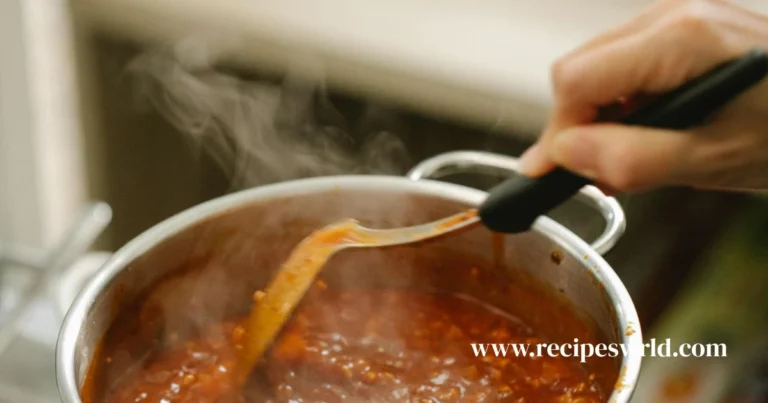
Bring the mixture to a gentle simmer, then reduce your heat to the lowest setting. You want a lazy “blip-blip-blip” of bubbles breaking the surface—not a rolling boil. Partially cover your pot, leaving a small gap for steam to escape.
Now you wait. Set a timer for 30 minutes, and when it rings, give your ragù a stir and check the consistency. If it’s looking too thick, add a splash more stock. Too thin? Leave the lid off for better evaporation.
Continue this pattern for the full 2.5-3 hours. Yes, it’s a significant time investment. But here’s the beautiful part: you don’t need to hover over the stove. Check and stir every 20-30 minutes while you work, read, or handle other kitchen tasks.
During the final 30 minutes, taste your sauce and adjust the seasoning. Add that optional pinch of nutmeg if you’re feeling traditional—it adds a subtle warmth that’s hard to identify but definitely elevates the final dish.
Avoiding Common Mistakes
Even experienced cooks can stumble when making authentic ragù. Watch out for these pitfalls:
Too much tomato: Remember, this is a meat sauce that happens to contain some tomato, not a tomato sauce with meat in it. Your finished ragù should look reddish-brown, not bright red.
Skipping the milk: Some recipes omit this step, but you’ll taste the difference. The milk isn’t optional—it’s essential for achieving that characteristic tenderness.
Rushing the process: No amount of higher heat can replicate the flavor development that happens during proper slow simmering. Block out the time or make it on a weekend.
Over-seasoning early: As your sauce reduces over hours, flavors concentrate. Season lightly at first and adjust toward the end.
If your sauce turns out watery, simply continue simmering uncovered until it thickens. If it tastes too acidic, a pinch of sugar or an additional splash of milk will balance things out.
Serving Your Ragù the Italian Way
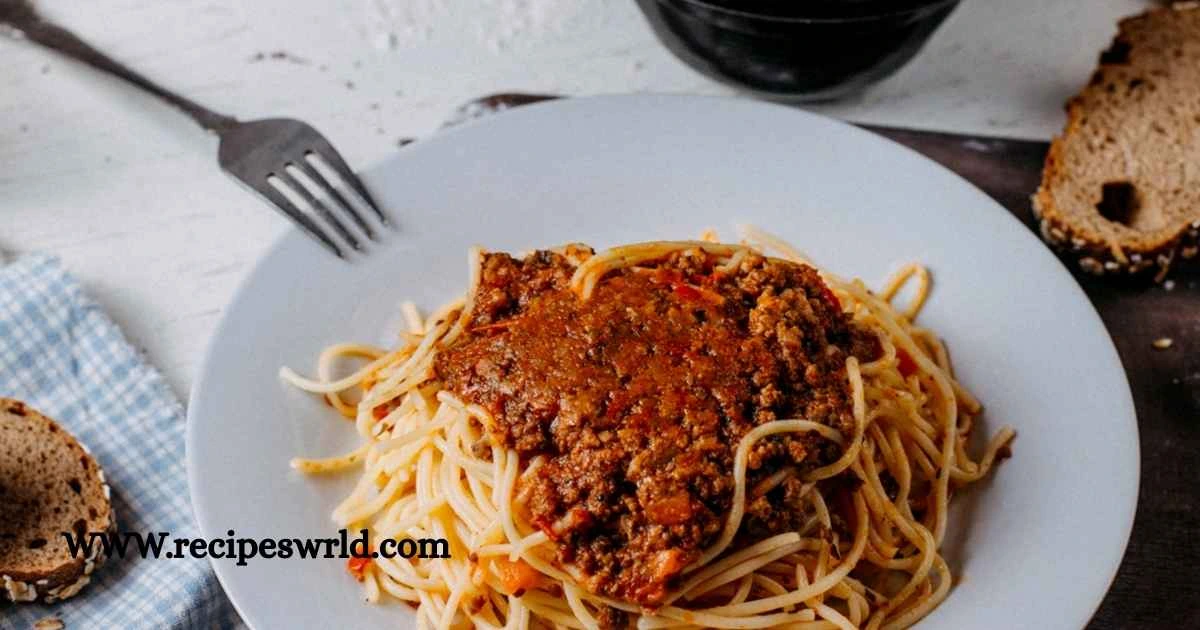
Here’s where many people get it wrong: in Bologna, you’ll never find ragù served over spaghetti. The traditional pairing is fresh tagliatelle—those wide, flat ribbons that let the thick sauce cling properly to every strand.
Cook your pasta about one minute less than the package suggests, then drain it, reserving a cup of that starchy pasta water. Toss the pasta directly in your pot of ragù with a splash of that reserved water. The starch helps the sauce coat every piece perfectly.
Serve immediately with freshly grated Parmigiano-Reggiano—and only Parmigiano-Reggiano. Those green canisters of pre-grated cheese won’t do your hours of work justice.
Pair your classic Bolognese recipe Italian with a glass of Sangiovese or Lambrusco for an authentic experience. Keep sides simple: perhaps a crisp green salad and some crusty bread for sopping up any sauce that escapes your fork.
Storage and Meal Planning
Your ragù actually improves overnight as flavors continue melding in the refrigerator. Store it in an airtight container for up to four days, or freeze it for up to three months.
Smart cooks make double or triple batches, portioning the extra into freezer containers for future meals. Beyond pasta, you can layer this sauce into lasagna, spoon it over creamy polenta, or even top a baked potato for a surprisingly delicious twist.
When reheating, use low heat on your stovetop and add a splash of stock to restore the proper consistency.
Frequently Asked Questions
What makes classic Bolognese recipe Italian different from regular meat sauce?
The authentic version uses a soffritto base, combines multiple meats, includes milk for tenderness, and simmers for hours with minimal tomato. Regular meat sauce typically cooks faster, contains more tomato, and skips the milk entirely.
Can you make classic Bolognese recipe Italian in a slow cooker?
After completing the stovetop steps through adding the liquids, you can transfer everything to a slow cooker set on low for 6-8 hours. However, you’ll have more control over consistency and flavor using the traditional stovetop method.
Why does the classic Bolognese recipe Italian include milk?
Milk tenderizes meat proteins and adds richness without leaving a dairy taste. Adding it before tomatoes allows the meat to absorb it fully—a technique Italian cooks have used for generations.
What pasta pairs with classic Bolognese recipe Italian?
Fresh tagliatelle is the traditional choice in Bologna. The wide, flat shape allows the thick sauce to cling properly. Pappardelle and fettuccine also work well. Spaghetti, despite its popularity elsewhere, is never used in authentic preparations.
Your Journey to Authentic Italian Cooking Starts Now
Mastering this classic Bolognese recipe Italian connects you to centuries of culinary tradition. You’re not just following a recipe—you’re participating in a ritual that Italian families have perfected and passed down through countless Sunday dinners and holiday gatherings.
The three hours you’ll spend simmering this sauce teach you something valuable about cooking and life: rushing produces mediocre results, while patience creates something extraordinary. As your kitchen fills with that unforgettable aroma and you take your first bite of properly sauced tagliatelle, you’ll understand why this recipe has remained unchanged for so long.
Ready to start your authentic Italian cooking journey? Clear your Sunday afternoon, gather these ingredients, and commit to the process. Your first spoonful of genuine ragù Bolognese will transport you straight to an Italian grandmother’s kitchen, where food is love and time is an ingredient worth spending generously.
Grab your wooden spoon and start chopping that soffritto. Three hours from now, you’ll be enjoying the most authentic classic Bolognese recipe Italian you’ve ever tasted—made by your own hands, in your own kitchen.