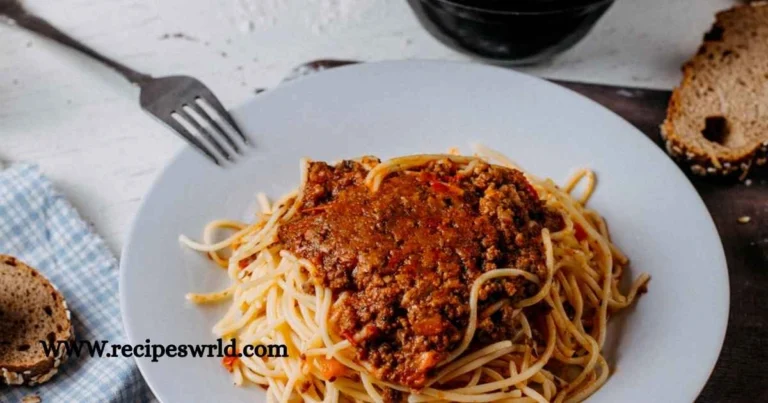
Ragu Sauce Recipe : Discover the traditional ingredients and slow cooking method behind a true ragù.
Table of Contents
A Sauce That Teaches You to Slow Down
When you make a real ragù sauce recipe, you’re not just preparing a meal—you’re stepping into a rhythm that values patience, care, and attention. This is the kind of sauce that gently fills your kitchen with warmth, one that asks you to slow the pace and trust the process. If you’ve ever felt that modern cooking moves too fast, ragù brings you back to something grounding and honest. It reminds you that the best flavors don’t rush—and neither should you.
In this guide, you’ll discover how a traditional ragù is built, why each ingredient matters, and how slow cooking transforms simple components into a deeply satisfying sauce you’ll want to make again and again.
What Is a Traditional Ragù Sauce?
A traditional ragù is not a tomato sauce with meat tossed in at the end. Instead, it’s a carefully layered preparation where meat plays the leading role and tomatoes quietly support the flavor.
The Roots of Ragù
Ragù traces its origins to northern Italy, particularly the Emilia-Romagna region. Here, cooks focused on:
- Preserving meat flavor
- Using minimal tomatoes
- Cooking slowly over gentle heat
This approach created a sauce that feels rich without being heavy and comforting without being overwhelming.
Why Ragù Is Different From Quick Meat Sauces
Unlike fast pasta sauces, ragù relies on time rather than shortcuts. You’ll notice:
- No strong herbal punch
- No sugary tomato base
- No rushed simmer
Instead, flavor develops gradually, layer by layer.
Traditional Ragù Sauce Ingredients Explained
Before you start cooking, it’s essential to understand why each ingredient belongs in a true ragù sauce recipe.
Essential Ingredients Table
| Ingredient | Role in the Sauce | Traditional Insight |
|---|---|---|
| Ground beef | Depth and body | Moderate fat preferred |
| Ground pork | Softness and richness | Balances beef |
| Onion | Sweet aromatic base | Finely chopped |
| Carrot | Natural sweetness | No overpowering |
| Celery | Earthy balance | Always subtle |
| Tomato paste | Gentle acidity | Used sparingly |
| Milk or cream | Rounds flavors | Softens meat |
| Dry white wine | Flavor lift | Alcohol cooked off |
| Olive oil or butter | Cooking base | Regional choice |
| Salt & black pepper | Seasoning | No heavy spices |
Each element works together. Removing or exaggerating one throws off the harmony.
The Slow Cooking Method Behind a True Ragù
A proper ragù is shaped by heat control and time. There’s no way around it.
Why Slow Cooking Matters
Slow cooking allows you to:
- Break down meat fibers naturally
- Develop savory depth
- Achieve a silky, cohesive texture
Fast heat creates separation. Gentle heat creates unity.
Step-by-Step Traditional Ragù Cooking Process
Step 1: Build the Soffritto
Start with olive oil or butter over low heat. Add onion, carrot, and celery.
- Stir often
- Avoid browning
- Cook until soft and fragrant
This step sets the emotional tone of your sauce.
Step 2: Add and Brown the Meat
Increase heat slightly and add the beef and pork.
- Break meat gently
- Let moisture evaporate
- Aim for light browning, not crisping
Patience here improves texture later.
Step 3: Deglaze and Soften
Pour in white wine and let it reduce completely. Then add milk.
- Stir slowly
- Allow milk to absorb
- Notice how the sauce lightens in color
This stage mellows the meat and creates balance.
Step 4: Introduce Tomato Paste
Add a small amount of tomato paste.
- Mix thoroughly
- Cook briefly before adding liquid
Tomatoes support the sauce—they don’t dominate it.
Step 5: Long, Gentle Simmer
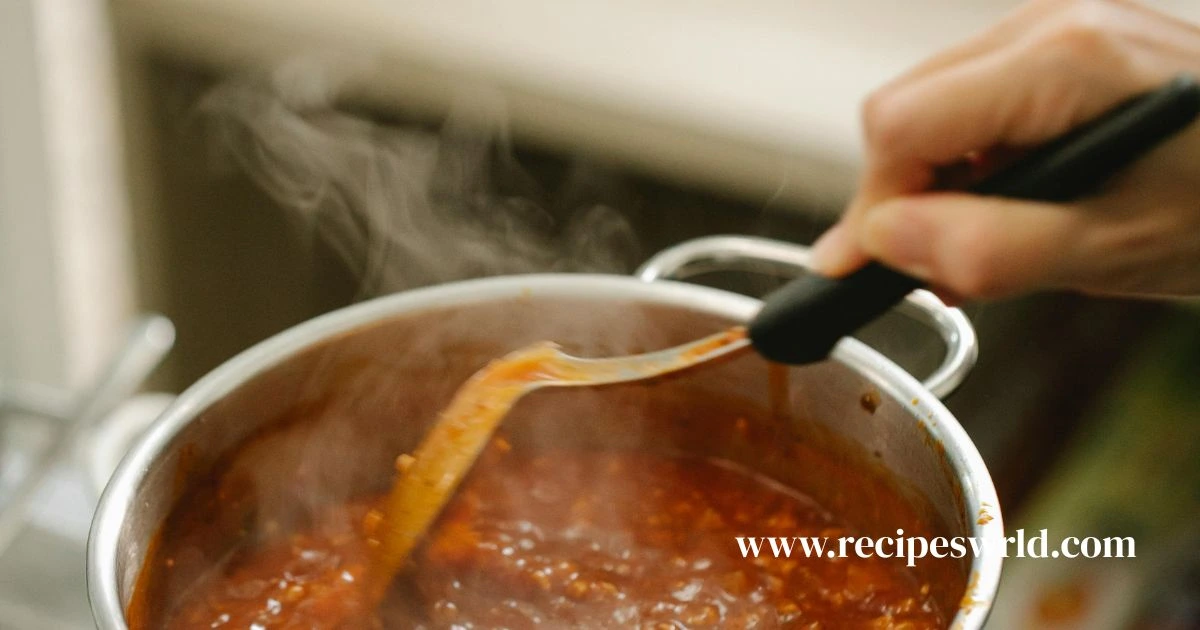
Lower heat to the minimum and let the sauce cook for 2–4 hours.
- Stir occasionally
- Add small amounts of water or broth if needed
- Watch texture, not the clock
When finished, the sauce should feel thick, glossy, and unified.
Common Mistakes That Ruin a Ragù Sauce Recipe
Even experienced cooks slip up. Avoid these frequent errors:
- Cooking on high heat
- Using too much tomato
- Skipping milk or wine
- Overloading herbs and spices
- Choosing very lean meat
A traditional ragù rewards restraint.
Best Pasta Pairings for Ragù Sauce
Ragù needs pasta that can carry its weight.
Why Pasta Shape Matters
Smooth pasta lets ragù slide off. You want texture that holds sauce in every bite.
Traditional Choices
- Tagliatelle
- Pappardelle
- Fresh egg pasta
These shapes cradle the sauce rather than competing with it.
How to Store and Reheat Ragù Sauce Properly
Ragù improves with time when handled correctly.
Storage Tips
- Cool completely before refrigerating
- Store in airtight containers
- Keeps up to 4 days refrigerated
Freezing Instructions
- Freeze in portion-sized containers
- Label with date
- Best within 3 months
Reheating Without Losing Texture
- Reheat slowly
- Add a splash of water or broth
- Stir gently
You’ll notice deeper flavor the next day.
Is Ragù Sauce Healthy?
When prepared traditionally, ragù can fit into a balanced lifestyle.
- High protein content
- No added sugar
- Natural fats enhance satiety
The key is portion awareness and quality ingredients.
Traditional Ragù vs Modern Shortcut Versions
| Feature | Traditional Ragù | Shortcut Sauce |
|---|---|---|
| Cooking time | 3–4 hours | Under 1 hour |
| Tomato presence | Minimal | Heavy |
| Flavor depth | Layered | Flat |
| Texture | Silky | Loose or chunky |
Once you taste the difference, shortcuts lose their appeal.
Frequently Asked Questions About Ragù Sauce Recipe
What makes a ragù sauce recipe authentic?
You use traditional ingredients, cook slowly, and let meat lead the flavor.
How long should a real ragù sauce recipe cook?
At least two hours, though longer brings better results.
Can you freeze a homemade ragù sauce recipe?
Yes. Ragù freezes exceptionally well when cooled properly.
Is a ragù sauce recipe the same as Bolognese?
Bolognese is a specific regional form of ragù, not the entire category.
Can you make a ragù sauce recipe without wine?
You can, but the flavor won’t develop the same depth.
Conclusion: Why Ragù Is Worth Your Time
A real ragù sauce recipe teaches you something simple yet powerful: slowing down improves results. When you give this sauce the attention it deserves, you’re rewarded with comfort, richness, and a sense of connection to generations of cooks who valued patience over speed.
Now it’s your turn. Set aside an afternoon, let the sauce simmer, and experience what happens when you cook without rushing.
Your Next Step
If this guide helped you understand ragù on a deeper level, share it with someone who loves real food. Leave a comment with your experience, or explore more traditional recipes that celebrate slow cooking and honest flavor. Your kitchen deserves it.