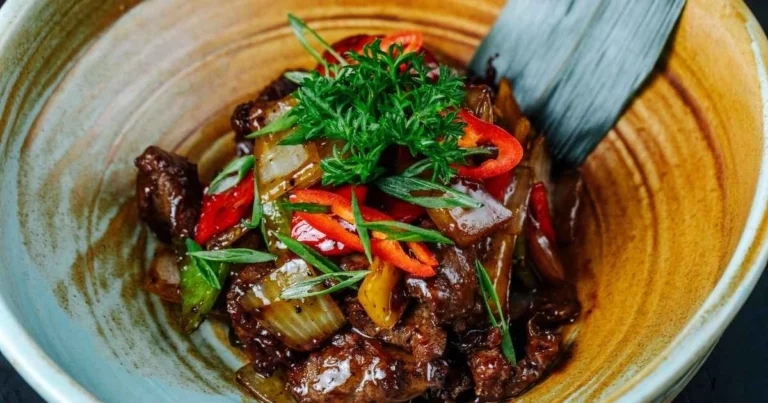
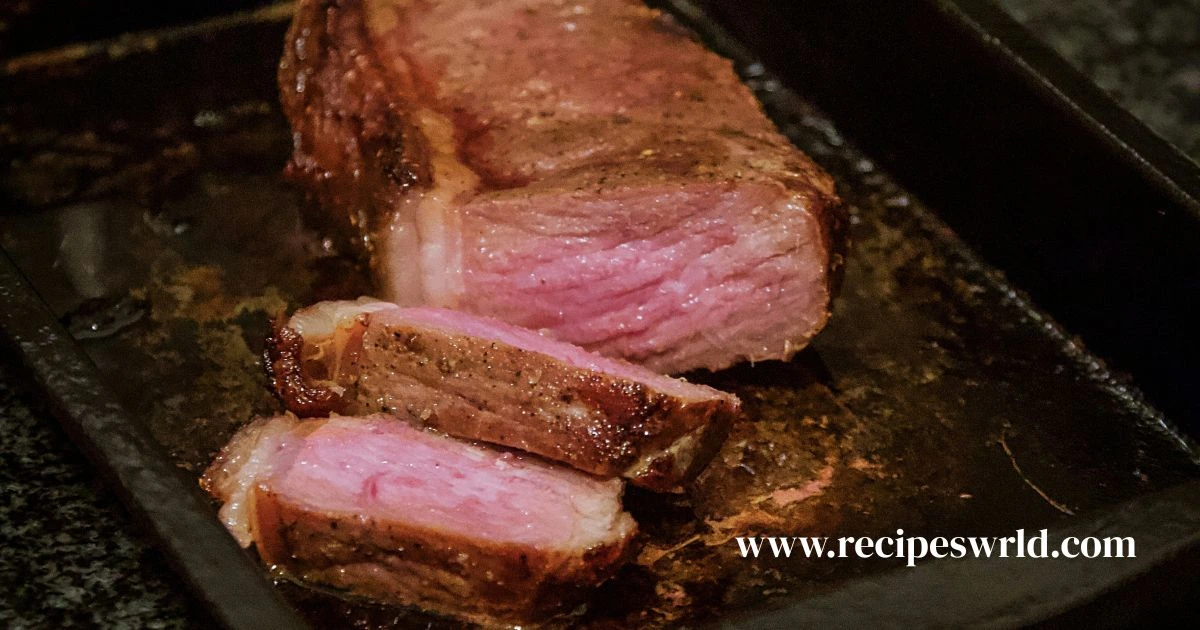
Simple recipe for Mongolian beef using thin sliced beef
Table of Contents
Thin Sliced Beef Mongolian Recipe
Remember that first bite of perfectly glazed Mongolian beef at PF Chang’s? The way those tender ribbons of meat practically melted on your tongue while the sweet-savory sauce created an explosion of flavors you couldn’t stop thinking about? You’ve probably tried recreating that magic at home, only to end up with tough, chewy meat swimming in a watery sauce that tasted nothing like the restaurant version.
Here’s what changed everything for me: discovering that restaurant-quality Mongolian beef isn’t some culinary mystery reserved for professional chefs. It’s actually easier than calling for delivery, costs about one-third the price, and—when you nail the technique—tastes even better fresh from your wok. The star of this dish? Properly prepared thin sliced beef that transforms from an affordable grocery store staple into restaurant-worthy perfection in just 30 minutes.
Whether you’re planning a quick weeknight dinner or looking to impress guests with your cooking skills, this PF Chang’s-inspired recipe will become your secret weapon. Let’s dive into exactly how you can master this crowd-pleasing dish in your own kitchen.
What Makes This Mongolian Beef Recipe Special
The Secret to Restaurant-Quality Thin Sliced Beef
The foundation of exceptional Mongolian beef starts with your meat selection and preparation. Thin sliced beef isn’t just a suggestion—it’s the cornerstone that determines whether your dish turns out tender and restaurant-worthy or disappointingly chewy.
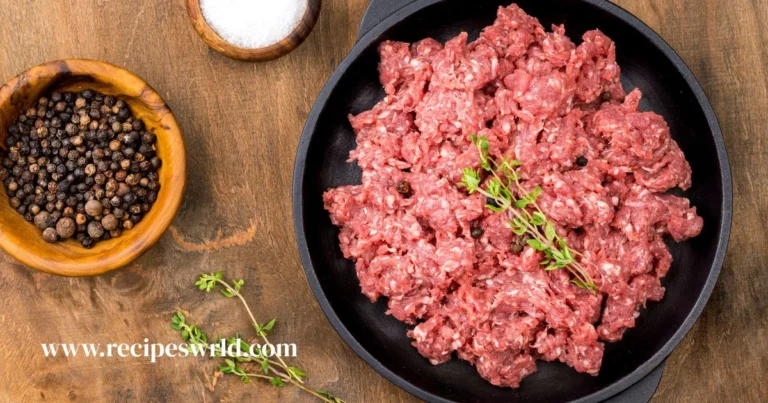
Flank steak stands out as the ideal cut for this recipe. Its grain structure allows you to create those perfectly tender strips when sliced correctly. While sirloin offers leaner meat and ribeye brings extra marbling, flank steak delivers the best balance of flavor, texture, and affordability.
Here’s the technique that changes everything: always slice against the grain. Picture the muscle fibers running in parallel lines through your meat. When you cut perpendicular to these lines, you’re shortening the fibers, which makes each bite significantly more tender. Slice with the grain, and you’ll be chewing through long, tough fibers—nobody wants that.
Want a professional secret? Pop your beef in the freezer for 30 minutes before slicing. This firms up the meat just enough to make cutting those ultra-thin, uniform strips incredibly easy. You’re aiming for pieces about one-quarter inch thick—roughly the width of a pencil.
PF Chang’s-Inspired Flavor Profile
What makes PF Chang’s Mongolian beef so addictive is that perfect sweet-savory balance. The sauce walks a tightrope between rich umami notes from soy sauce and the caramelized sweetness of brown sugar, with aromatic ginger and garlic adding depth that keeps you coming back for more.
Your homemade version actually has advantages over the restaurant dish. You control the sweetness level, adjust the garlic intensity to your preference, and can dial the sodium down significantly—restaurant versions often pack over 2,000 mg per serving. Plus, you’ll spend about $6 per serving compared to $20 at the restaurant, and you’ll likely end up with more generous portions.
Essential Ingredients for Mongolian Beef
Core Components You’ll Need
| Ingredient | Quantity | Purpose |
|---|---|---|
| Thin sliced beef (flank steak) | 1.5 lbs | Main protein |
| Cornstarch | ¼ cup | Creates crispy coating |
| Vegetable oil | ½ cup | For frying |
| Fresh ginger (minced) | 1 tbsp | Aromatic base |
| Garlic cloves (minced) | 5 | Aromatic depth |
| Green onions | 6-8 stalks | Flavor and garnish |
The Sauce That Makes It Sing
| Ingredient | Quantity | What It Does |
|---|---|---|
| Soy sauce | ½ cup | Salty umami foundation |
| Water | ½ cup | Balances consistency |
| Brown sugar (packed) | ½ cup | Signature sweetness |
| Hoisin sauce | 1 tbsp | Added complexity |
| Rice wine | 1 tbsp | Bright finish |
| Sesame oil | 1 tsp | Nutty undertone |
The beauty of this ingredient list? You probably have most items in your pantry already. If you’re missing hoisin sauce or rice wine, the dish still works wonderfully—though these ingredients add professional-level depth.

Step-by-Step: Transforming Thin Sliced Beef into Magic
Preparation Phase (15 Minutes)
Start by prepping your thin sliced beef correctly—this step determines your final texture. If you haven’t already, freeze the meat for 30 minutes to make slicing easier. Cut against the grain into strips about one-quarter inch thick.
Here’s what separates great results from mediocre ones: pat your beef completely dry with paper towels. Any moisture prevents the cornstarch from adhering properly, which means you’ll miss out on that signature crispy coating.
Toss your dried beef strips with cornstarch until each piece is evenly coated. Let this sit for 10 minutes—the cornstarch needs time to form a proper bond with the meat surface.
While your beef rests, whisk together your sauce ingredients. Combine the soy sauce, water, and brown sugar first, stirring until the sugar dissolves completely. Add your hoisin sauce, rice wine, and sesame oil. This takes maybe two minutes, and your sauce is ready.
Cooking Phase (15 Minutes)
Heat your oil in a wok or large skillet over medium-high heat until it reaches around 375°F. If you don’t have a thermometer, drop a tiny piece of coated beef into the oil—it should immediately sizzle and bubble.
Critical mistake to avoid: Don’t dump all your thin sliced beef in at once. Work in batches, giving each piece enough space. Overcrowding drops the oil temperature and causes your beef to steam rather than fry, resulting in soggy, disappointing meat.
Fry each batch for 2-3 minutes until the edges turn golden and crispy. Use a slotted spoon to transfer the cooked beef to paper towels for draining. This step creates that restaurant-quality texture you’re chasing.
Creating the Glaze
Clean your wok or pan, leaving about one tablespoon of oil. Over medium heat, add your minced ginger and garlic. Sauté for just 30 seconds—you want fragrance without burning.
Pour in your prepared sauce and bring it to a gentle simmer. Let it reduce for 2-3 minutes until it thickens slightly. The cornstarch from your beef coating will help thicken the sauce naturally once you add the meat back.
Return your crispy thin sliced beef to the pan. Toss everything together for 1-2 minutes, coating each piece with that glossy sauce. Add the white parts of your green onions now—save the green tops for garnish.
The timing here matters. Toss just long enough to coat everything, but not so long that your beef loses its crispy exterior.
Expert Tips for Perfect Results Every Time
Meat Selection and Preparation
If you’re buying whole flank steak, look for pieces with consistent thickness and good marbling. Some stores sell pre-sliced “stir-fry beef” or “beef for bulgogi”—these work perfectly and save you preparation time.
Temperature matters more than you might think. Room-temperature thin sliced beef cooks more evenly than cold meat straight from the refrigerator. Take your beef out 15 minutes before cooking.
For ultra-tender results, consider the “velveting” technique used in Chinese restaurants: marinate your sliced beef in a mixture of cornstarch, rice wine, and a touch of oil for 30 minutes before coating and frying. This creates an incredibly silky texture.
Mistakes That Sabotage Your Results
Using wet beef is the number one culprit behind soggy coatings. Those paper towels aren’t optional—dry meat is crispy meat.
Overcrowding your pan drops the oil temperature dramatically. Each piece should have breathing room. Yes, cooking in batches takes a few extra minutes, but the textural difference is night and day.
Adding sauce too early turns your crispy thin sliced beef into a soft, sauce-logged disappointment. Keep the beef and sauce separate until the very end.
Burning your aromatics happens when your heat stays too high. Once you’re ready to make the sauce, reduce your heat to medium. Burnt garlic tastes bitter and ruins the entire dish.
Storage and Make-Ahead Strategies
You can prep components separately up to 24 hours ahead. Slice and coat your beef with cornstarch, then refrigerate it in an airtight container. Mix your sauce and store it separately. When you’re ready to cook, you’ll have dinner on the table in 15 minutes.
Leftover Mongolian beef keeps in the refrigerator for 3-4 days. Store it in an airtight container. The coating will soften during storage, but here’s the revival trick: reheat in a hot skillet rather than the microwave. A few minutes over high heat restores much of that desirable texture.
For longer storage, freeze the cooked beef without sauce for up to two months. Thaw overnight in your refrigerator, then reheat and toss with freshly made sauce.
Serving Suggestions That Complete the Experience
Mongolian beef shines brightest over a bed of steamed jasmine rice, which soaks up that incredible sauce. Fried rice works beautifully too, adding another layer of flavor to your meal.
Balance the richness with fresh, crisp vegetables. Steamed broccoli with garlic makes a classic pairing. For something lighter, try an Asian cucumber salad with rice vinegar and sesame seeds—the cool, tangy crunch provides perfect contrast.
Want to create a full Chinese restaurant experience? Start with egg drop soup, add some crispy spring rolls, and finish your meal with fresh orange slices. Your dining companions will think you ordered from their favorite restaurant.
Frequently Asked Questions About Thin Sliced Beef Mongolian Recipe
What is the best cut of thin sliced beef for Mongolian beef?
Flank steak tops the list for its ideal balance of tenderness, flavor, and price. When sliced against the grain into thin strips, it becomes remarkably tender. Sirloin and ribeye also work well, though they’ll cost more without providing significantly better results.
How thin should I slice the beef for Mongolian beef?
Aim for one-quarter inch thickness—about the width of a standard pencil. Thicker slices turn out chewier, while slices that are too thin overcook quickly and become tough.
Can I use pre-sliced thin beef from the grocery store?
Absolutely! Pre-sliced stir-fry beef saves significant time and works perfectly. Just check that the slices aren’t paper-thin—you want pieces with some substance that can hold up to frying.
Why does my thin sliced beef turn out tough after cooking?
Three main causes: slicing with the grain instead of against it, overcooking the meat beyond 2-3 minutes per batch, or using an extremely lean cut without proper preparation. Double-check your slicing direction and watch your cooking time carefully.
Do I have to deep fry the thin sliced beef, or can I stir-fry it?
Shallow frying creates the crispiest texture that most closely matches PF Chang’s style. However, you can absolutely stir-fry the beef in 2-3 tablespoons of oil for a lighter version. The coating won’t achieve the same level of crispiness, but you’ll still enjoy delicious results.
Your Path to Restaurant-Quality Mongolian Beef
Mastering this PF Chang’s-style Mongolian beef with thin sliced beef puts you in control of one of Chinese-American cuisine’s most beloved dishes. You’re not just saving money—though spending $6 instead of $20 per serving certainly helps your budget. You’re gaining the ability to customize flavors to your exact preferences, control quality and ingredients, and create restaurant-worthy meals whenever the craving strikes.
The techniques you’ve learned here—properly slicing against the grain, achieving crispy coating through dry meat and proper frying, and balancing that signature sweet-savory sauce—translate to countless other Asian-inspired dishes. You’ve essentially unlocked a whole category of cooking that previously seemed intimidating or complicated.
This recipe proves that restaurant favorites don’t require professional equipment, secret ingredients, or culinary school training. You just need quality thin sliced beef, a handful of pantry staples, and the confidence to follow tested techniques.
Ready to experience that first bite of your own perfectly glazed Mongolian beef? Grab your ingredients, fire up your wok, and discover how satisfying it feels to create restaurant magic in your own kitchen. Once you’ve nailed this recipe, come back and share your results—tag your photos on social media or drop a comment below. Your cooking journey inspires others to take the leap from takeout to homemade excellence.
The next time someone asks where you ordered that incredible Mongolian beef, you’ll smile and say, “I made it myself.” That moment makes all the difference.