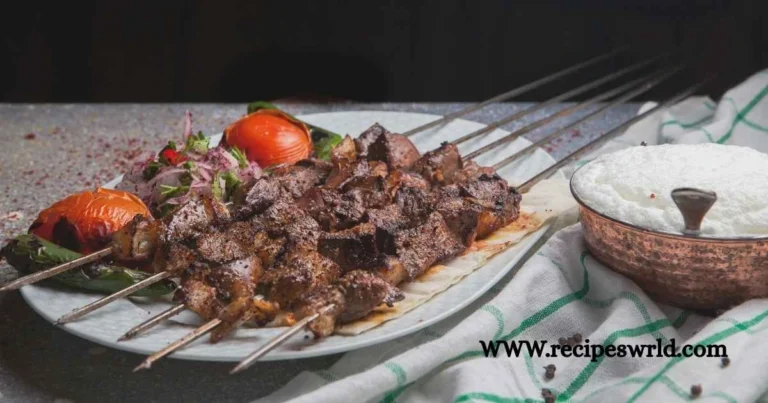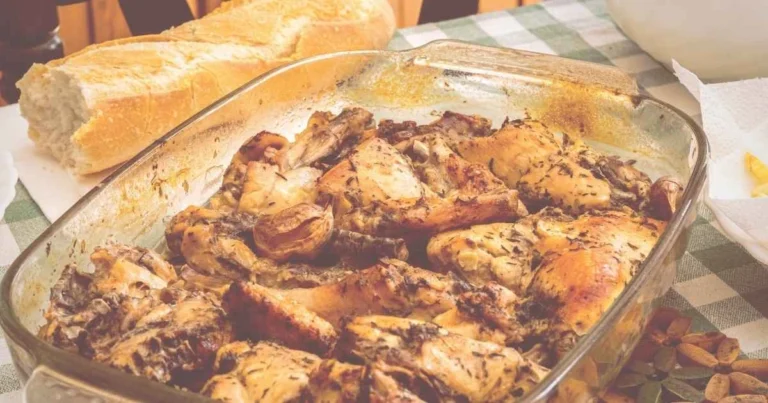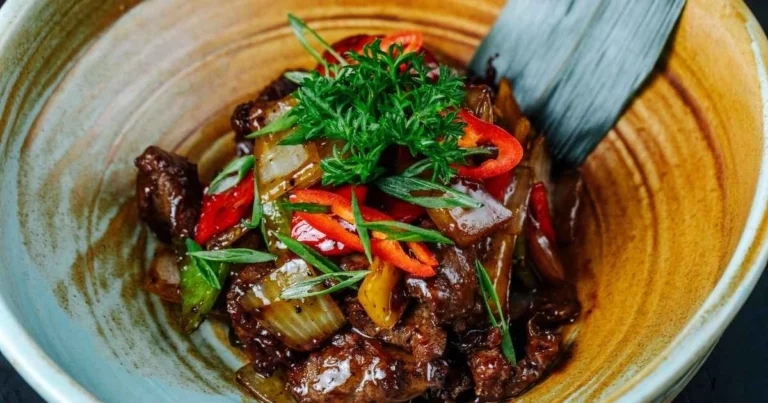
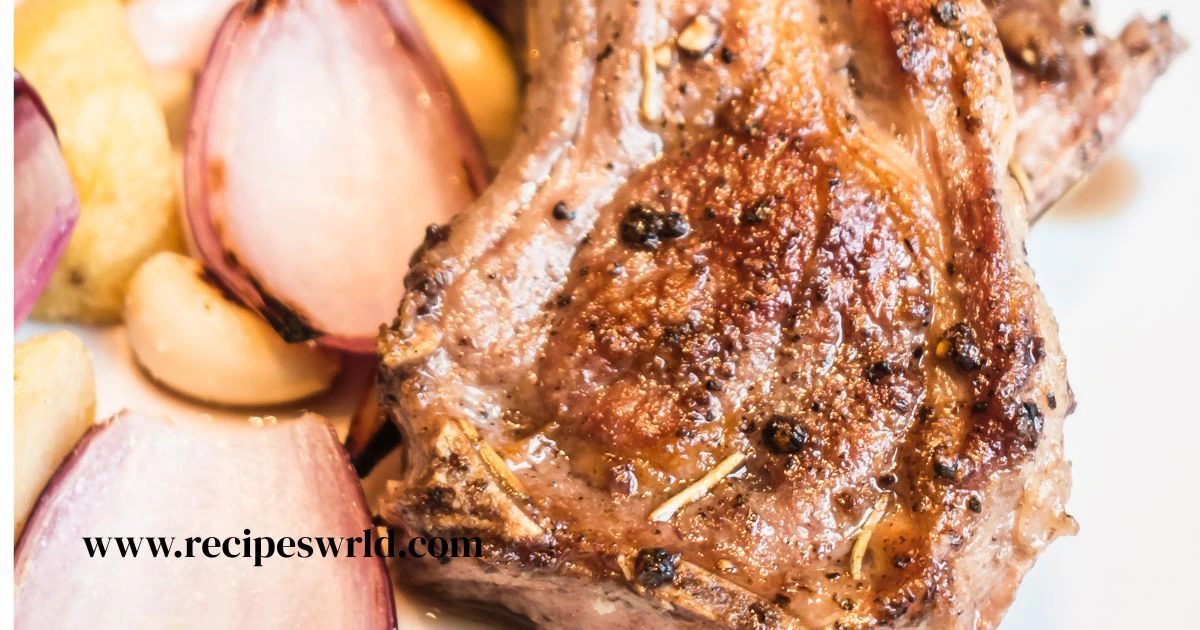
Lamb Chops in Oven – Discover the best methods for baking lamb chops to keep them tender and flavorful.
Table of Contents
Lamb Chops in Oven: The Ultimate Guide to Perfectly Tender, Flavorful Baked Lamb Chops
The scent of herbs mingling with roasting meat has a way of turning an ordinary evening into something memorable. Picture this: you’re standing in your kitchen, watching golden-brown lamb chops through the oven door, their edges crisping to perfection while the inside stays impossibly tender. Your family gathers around the table, drawn by an aroma that promises something special. This isn’t just dinner—it’s the kind of meal that creates lasting memories.
If you’ve struggled with tough, dried-out lamb in the past, you’re not alone. Many home cooks shy away from this premium protein, worried about ruining an expensive cut. But here’s the truth: mastering lamb chops in oven is simpler than you think. With the right techniques and a little confidence, you’ll transform these elegant cuts into tender, restaurant-quality dishes that’ll have everyone reaching for seconds.
Why Baking Lamb Chops in Oven Delivers Superior Results
Your oven offers something that stovetop cooking can’t match: consistent, surrounding heat that cooks meat evenly from all sides. This matters tremendously when you’re working with premium cuts that deserve careful attention.
When you bake lamb chops in oven, you gain complete control over the cooking process. Unlike pan-frying, where heat concentrates on two surfaces, oven cooking wraps your meat in uniform warmth. This gentle approach prevents the dreaded scenario where the outside burns while the inside remains undercooked.
The hands-off nature of oven cooking gives you freedom to prepare sides, set the table, or simply relax with a glass of wine. No constant flipping or temperature adjusting—just reliable results that free up your attention for other tasks.
Health-conscious cooks appreciate that baking requires minimal added fats. A light brush of olive oil suffices, letting the natural flavors shine through without excess grease. Plus, when you’re feeding a crowd, your oven accommodates multiple chops simultaneously, making dinner parties far less stressful.
Selecting Your Perfect Cut
Not all lamb chops share the same characteristics, and understanding these differences ensures your success. Rib chops reign supreme for oven baking. Their generous marbling delivers rich flavor and natural moisture that forgives minor timing errors. You’ll recognize them by their curved bone and tender eye of meat.
Loin chops present a T-bone structure similar to beef steaks. They offer two distinct textures in one cut—the tenderloin on one side, the strip on the other. These versatile chops respond beautifully to various marinade styles and remain a favorite among home cooks.
When shopping, examine the color carefully. Fresh lamb displays a bright pink to light red hue. Avoid anything with gray or brown tones, which signal age or improper storage. The fat should appear white and firm—yellowing indicates an older animal with potentially stronger flavor.
Thickness matters enormously for oven cooking. Aim for chops measuring one to one-and-a-half inches thick. Thinner cuts overcook in moments, while thicker pieces require extended time that risks drying the edges before the center reaches temperature.
Essential Components for Success
Quality ingredients form the foundation of exceptional lamb chops in oven. Start with four bone-in chops, each about eight ounces. Extra virgin olive oil provides moisture and helps seasonings adhere. Fresh garlic—never the jarred stuff—contributes pungent depth that dried versions can’t replicate.
Fresh herbs make an enormous difference. Rosemary and lamb share a classic affinity that spans continents and centuries. The piney, aromatic qualities of rosemary cut through lamb’s richness while complementing its subtle gaminess. Thyme adds earthy undertones that round out the flavor profile beautifully.
Don’t skimp on salt and pepper. Generous seasoning enhances rather than masks the meat’s natural taste. Kosher salt’s larger crystals distribute more evenly than table salt, while freshly ground black pepper delivers sharp, complex heat that pre-ground versions lack.
Your kitchen toolkit should include an oven-safe skillet—cast iron works magnificently here. Its heat retention creates stunning sears and transitions seamlessly from stovetop to oven. An instant-read thermometer eliminates guesswork, ensuring your chops reach precise doneness every single time.
The Two-Step Technique That Changes Everything
Professional chefs rely on a simple truth: the best lamb chops combine seared exteriors with perfectly cooked interiors. Achieving this requires a two-phase approach that harnesses different heat sources.
Preparation Sets the Stage
Thirty minutes before cooking, remove your chops from the refrigerator. Cold meat hitting a hot pan contracts violently, toughening proteins and releasing moisture. Room temperature meat cooks more evenly and develops better crusts.
Pat each chop completely dry using paper towels. Moisture is the enemy of browning. Water creates steam, which prevents the Maillard reaction—that magical chemical process transforming proteins and sugars into hundreds of flavor compounds and beautiful golden-brown color.
Season both sides generously with salt and pepper. Press minced garlic and chopped herbs into the surface, creating an aromatic crust that’ll perfume your entire kitchen.
Searing Creates Flavor
Preheat your oven to 400°F while you heat your skillet over high flame until it begins smoking slightly. This intense heat is crucial—timid temperatures won’t create the crust you’re after.
Add just a thin film of oil to your screaming-hot pan, then carefully place your chops without crowding. Listen for that immediate, aggressive sizzle. That sound means you’re doing it right.
Resist the urge to move them. Let physics work its magic for two to three minutes, allowing proteins to bond with the pan before releasing naturally. When you flip them, you should see deep caramelization bordering on mahogany.
Repeat on the second side, then immediately transfer your entire skillet into the preheated oven. This is where precision takes over from instinct.
Finishing in the Oven
Your oven completes what the stovetop started, gently bringing the interior to your desired temperature without overcooking the exterior. For medium-rare—the optimal doneness that showcases lamb’s tender, delicate nature—you’ll need approximately six to seven minutes.
Insert your thermometer into the thickest part, avoiding bone contact which gives false readings. Pull your chops when they register 125-130°F. Remember, they’ll continue cooking during the resting period, rising another five degrees.
This carryover cooking is why timing matters so critically. Leaving chops in until they hit your target temperature guarantees overcooked results.
Temperature Guidelines for Various Preferences
Different diners prefer different doneness levels, and understanding temperature ranges helps you accommodate everyone’s taste:
Medium-rare (130-135°F): Your goal for maximum tenderness. The center glows warm red, the texture yields easily, and flavors reach their peak complexity.
Medium (135-145°F): A warm pink center satisfies those who prefer more doneness without sacrificing too much moisture. Add one to two minutes of oven time.
Beyond medium: Not recommended for premium lamb chops. Higher temperatures squeeze out moisture and toughen proteins, turning your investment into expensive shoe leather.
Always account for resting time in your calculations. Those five to ten minutes off-heat allow juices to redistribute throughout the meat. Cut immediately, and precious fluids run onto your cutting board instead of staying where they belong.
Flavor Enhancement Through Marinades
While simply seasoned lamb chops shine brilliantly, marinades open doors to exciting flavor dimensions. A classic Mediterranean blend combines olive oil, fresh lemon juice, minced garlic, chopped rosemary, and thyme. The acid in lemon gently tenderizes while the herbs infuse every bite with garden-fresh brightness.
Greek-style preparations use yogurt as a base. The lactic acid works more gently than vinegar or citrus, creating ultra-tender results. Mix Greek yogurt with lemon juice, oregano, garlic, and mint for authentic taverna flavors.
For adventure seekers, Moroccan spices transport your taste buds across continents. Cumin, coriander, paprika, and cinnamon create warm, complex layers that complement lamb’s richness beautifully. A touch of honey adds caramelization during cooking.
Marinating time ranges from two hours minimum to overnight maximum. Brief marinades season the surface; extended soaking allows flavors to penetrate deeper. Never marinate longer than twelve hours, as excessive acid exposure can make the texture mushy.
Troubleshooting Common Challenges
Tough, chewy results typically stem from overcooking. If your chops consistently disappoint, invest in a quality thermometer and trust it over visual cues. Different ovens heat differently, making time-based recipes unreliable guides.
Dry lamb chops signal the same problem—too much heat for too long. Remember that lamb contains less marbling than beef, giving it less moisture cushion. Every degree past 140°F moves you closer to jerky territory.
Gamey flavor concerns some first-time lamb cooks. Younger lamb tastes milder, so seek out domestic spring lamb when possible. Trim excess fat carefully, as that’s where stronger flavors concentrate. Marinades with acidic components neutralize assertive notes effectively.
Perfect Pairings and Serving Suggestions
Your beautifully cooked lamb chops deserve accompaniments that complement rather than compete. Creamy mashed potatoes enriched with roasted garlic provide comforting contrast to lamb’s distinctive character. The buttery smoothness balances the meat’s texture while soaking up any pan juices.
Mint has accompanied lamb for centuries across multiple cultures, and for good reason. Its cool, refreshing qualities cut through richness, cleansing your palate between bites. Fresh mint chimichurri brings this classic combination into modern territory.
Roasted vegetables match lamb’s elegance while adding nutritional balance. Carrots, parsnips, and beets caramelized in the oven echo the meat’s sweet undertones. Toss them with olive oil and thyme, then roast alongside your chops for effortless coordination.
Storage and Reheating Wisdom
Leftover lamb chops—should you have any—store well when handled properly. Cool them quickly, then refrigerate in airtight containers within two hours of cooking. They’ll maintain quality for three to four days.
Reheating requires gentle warmth to prevent further cooking. Your oven set to 325°F works best. Add a splash of broth or water to the container, cover tightly with foil, and warm for ten to fifteen minutes. The steam prevents drying while returning the meat to serving temperature.
Freezing extends storage to three months, though texture suffers slightly upon thawing. Wrap individual chops tightly in plastic, then place in freezer bags with air pressed out. Thaw overnight in your refrigerator, never at room temperature where bacteria multiply rapidly.
Your Path to Lamb Chop Mastery
Cooking lamb chops in oven transforms from intimidating challenge to reliable skill once you understand the fundamentals. Quality cuts, proper seasoning, two-stage cooking, accurate temperature monitoring, and adequate resting time—these five elements guarantee success every single time.
Start with confidence. Your first attempt might not achieve perfection, but each effort builds knowledge and intuition. Pay attention to how your oven performs, adjust times accordingly, and soon you’ll cook by feel as much as instruction.
The beauty of this technique lies in its versatility. Master the basic method, then explore marinades and spice combinations that reflect your personality and preferences. Greek one night, Moroccan the next, classic French the evening after—your lamb chops become vehicles for culinary exploration.