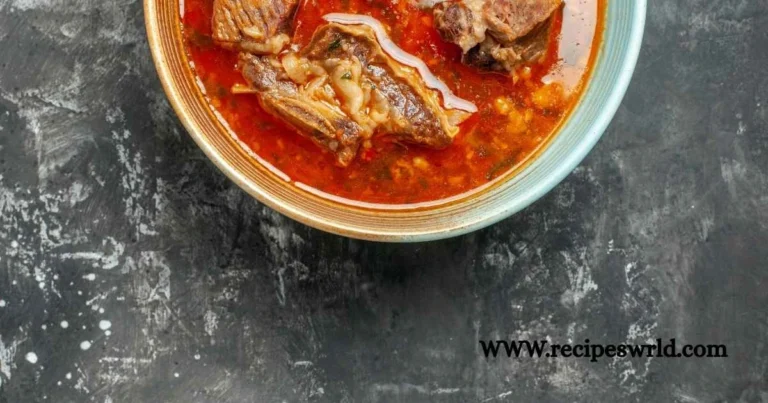
Understand the basics of cooking boneless beef short ribs step by step
Table of Contents
Cooking Boneless Beef Short Ribs: Your Ultimate Step-by-Step Guide to Tender, Fall-Apart Perfection
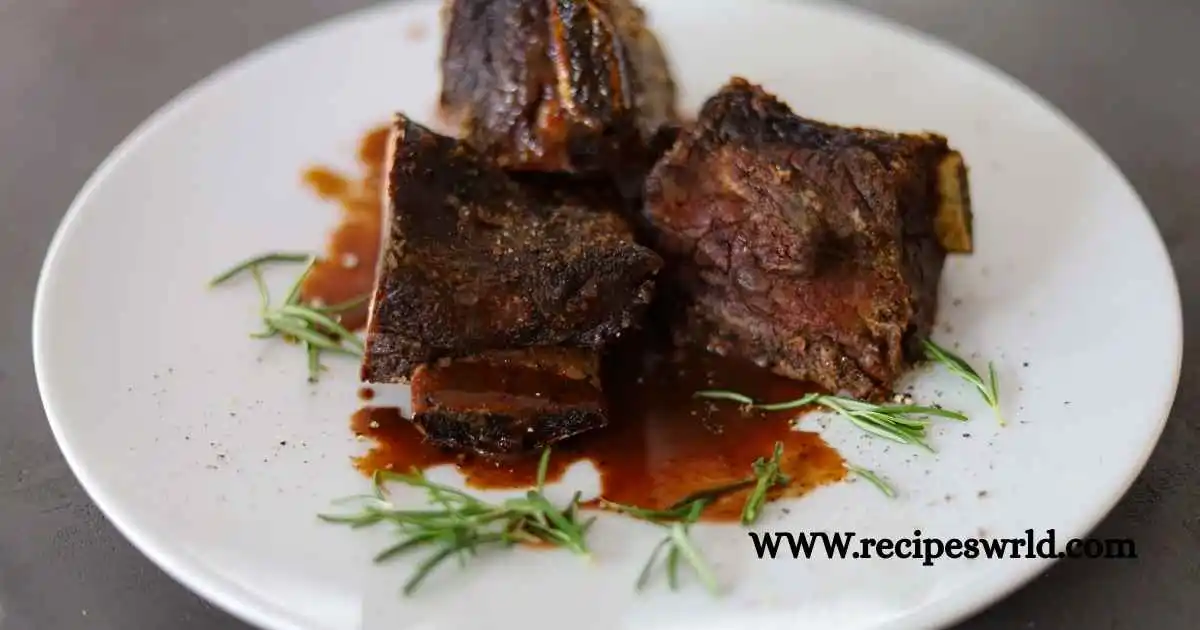
Close your eyes and imagine a chilly evening where your kitchen radiates warmth, filled with the deep, savory scent of beef slowly transforming into something extraordinary. Your loved ones gather, drawn by an aroma that promises comfort and celebration. When you finally present those glistening, tender boneless beef short ribs—meat so soft it surrenders to the gentlest pressure—you’re not just serving dinner. You’re crafting an experience that lingers in hearts and memories.
Many home cooks feel a flutter of uncertainty when facing this seemingly sophisticated cut. Perhaps you’ve worried about ending up with something resembling shoe leather rather than restaurant-worthy excellence. Here’s the truth: once you grasp the fundamental techniques, cooking boneless beef short ribs becomes surprisingly straightforward. This guide walks you through every critical step, ensuring your success from the first sizzle to that final, satisfying bite.
What Are Boneless Beef Short Ribs? Understanding Your Cut
Before diving into techniques, you need clarity on what you’re working with. Boneless beef short ribs originate from either the chuck or plate sections of the cow—areas known for muscular development and rich marbling. Unlike their bone-in cousins, these have had the rib bones removed, leaving you with rectangular pieces of deeply flavorful meat.
This particular cut contains substantial connective tissue and intramuscular fat. While that might sound less than appealing initially, it’s actually your secret weapon. During extended cooking, this collagen melts into gelatin, creating that luxurious, silky texture everyone craves. The marbling throughout ensures each bite delivers intense beefy flavor that cheaper cuts simply cannot match.
Why choose boneless over bone-in? Practicality tops the list. They’re easier to portion, simpler to serve, and more economical per usable pound. You’ll find them priced between eight and fifteen dollars per pound, depending on quality and location—significantly less expensive than premium steaks while delivering comparable satisfaction when prepared correctly.
Essential Equipment and Ingredients for Cooking Boneless Beef Short Ribs
Success begins with proper preparation. Your toolkit doesn’t require anything exotic, but certain items prove indispensable for achieving professional results.
Equipment checklist:
- A heavy-bottomed Dutch oven (five to seven quarts works perfectly)
- One sharp chef’s knife for trimming excess fat
- Sturdy tongs that can handle heavy pieces during searing
- Aluminum foil or a tight-fitting lid
Now for your ingredients. This foundational recipe creates approximately six servings:
| Ingredient | Amount | Purpose |
|---|---|---|
| Boneless beef short ribs | 3-4 pounds | Your star ingredient |
| Kosher salt | 2 teaspoons | Essential seasoning |
| Freshly ground black pepper | 1 teaspoon | Adds sharp contrast |
| Neutral cooking oil | 2 tablespoons | High smoke point for searing |
| Yellow onions, roughly chopped | 2 medium | Aromatic foundation |
| Carrots, cut into chunks | 2 large | Natural sweetness |
| Celery stalks, chopped | 2 | Depth and balance |
| Fresh garlic cloves, smashed | 6-8 | Pungent backbone |
| Tomato paste | 3 tablespoons | Concentrated umami |
| Full-bodied red wine | 2 cups | Acidity and complexity |
| Beef stock | 2 cups | Savory liquid base |
| Fresh thyme sprigs | 4-5 | Herbal brightness |
| Bay leaves | 2 | Subtle aromatics |
Quality matters tremendously here. Opt for grass-fed beef when your budget allows—the flavor difference speaks for itself. Similarly, don’t cook with wine you wouldn’t drink. If it tastes unpleasant in the glass, it’ll taste worse in your pot.
Step-by-Step Guide: How to Cook Boneless Beef Short Ribs
Step 1 – Preparing Your Boneless Beef Short Ribs
Temperature equilibrium sets the stage for even cooking. Remove your boneless beef short ribs from refrigeration thirty to forty-five minutes before you plan to cook. Cold meat hitting a hot pan creates uneven results—a warm exterior masking an underdone interior.
While they reach room temperature, examine each piece. You’ll notice some exterior fat coverage, which contributes flavor and moisture. However, excessive fat creates greasiness, so trim aggressively, leaving roughly a quarter-inch cap. Pat every surface completely dry using paper towels—moisture prevents proper browning.
Season generously with salt and pepper now, not later. The advance seasoning allows the crystals to penetrate slightly, beginning the tenderizing process and building flavor from within rather than just on the surface.
Step 2 – The Critical Searing Process
Searing represents the most crucial flavor-building stage when cooking boneless beef short ribs. This step creates what chefs call the Maillard reaction—a complex chemical transformation that generates hundreds of new flavor compounds.
Heat your Dutch oven over medium-high flame. Add oil and wait until it shimmers and flows like water across the pan’s surface. It should look almost liquified but shouldn’t smoke. If smoke appears, you’ve gone too far—reduce heat immediately.
Working in batches to avoid overcrowding, carefully place your seasoned ribs into the hot oil. Resist every urge to move them. Allow them to rest undisturbed for three to four minutes on each side. You’re looking for a deep mahogany crust, not pale brown. That golden-to-dark brown color spectrum indicates proper caramelization.
After searing all sides, transfer the ribs to a clean plate. Don’t wipe the pot clean—those stuck-on brown bits (called fond) contain concentrated flavor you’ll incorporate later.
Step 3 – Building Your Flavor Base
Lower your heat to medium. Into that same pot, add your chopped onions, carrots, and celery. The vegetables will immediately start releasing moisture, helping to loosen some of that precious fond. Stir occasionally, allowing them to soften and gain some color—approximately five to seven minutes.
Add smashed garlic cloves and stir for sixty seconds. Garlic burns easily, so timing matters here. Follow with tomato paste, stirring it into the vegetables and letting it cook for two full minutes. This caramelizes the paste, removing any metallic taste while deepening its savory character.
Step 4 – Deglazing and Adding Braising Liquid
Pour in your red wine—Cabernet Sauvignon or Merlot both work beautifully. As the wine hits the hot surface, it’ll bubble vigorously. Grab a wooden spoon and scrape across the bottom, releasing all those browned bits into the liquid. This deglazing step infuses your braising liquid with concentrated beef flavor.
Allow the wine to reduce by approximately half, which takes three to five minutes. This concentrates the wine’s character while evaporating some alcohol. Add your beef stock, fresh thyme sprigs, and bay leaves. Bring everything to a gentle simmer.
Step 5 – The Braising Process for Boneless Beef Short Ribs
Return your seared ribs to the pot, nestling them into the aromatic liquid. The liquid should rise halfway up the meat—not covering it completely, but providing sufficient moisture. If you’re short, add a splash more stock or water.
Once the liquid reaches a simmer, cover your pot with a tight-fitting lid. Transfer the entire vessel to an oven preheated to 325°F (163°C). This moderate temperature allows the connective tissue to slowly dissolve without toughening the muscle fibers.
Timing guidelines for perfectly cooked boneless beef short ribs:
- Traditional oven method: 2.5 to 3 hours
- Slow cooker approach: 6 to 8 hours on low setting
- Instant Pot technique: 45 to 50 minutes at high pressure with natural release
How do you know they’re finished? Insert a fork into the thickest piece. It should slide in with minimal resistance and twist easily. The internal temperature will hover around 200 to 205°F—well beyond traditional “done” temperatures, but necessary for maximum tenderness.
Step 6 – Resting and Finishing Your Dish
Carefully remove the pot from your oven. Using tongs, transfer each piece of meat to a serving platter, being gentle since the meat will be quite delicate. Let them rest for ten minutes while you address the sauce.
Skim excess fat from the braising liquid’s surface using a spoon or ladle. You’ll notice an oily layer floating on top—remove as much as possible. For a refined presentation, strain the liquid through a fine-mesh sieve into a clean saucepan, discarding the cooked vegetables (they’ve given all their flavor already).
If your sauce seems thin, simmer it vigorously on the stovetop for five to ten minutes, reducing it to your desired consistency. Taste and adjust seasoning with additional salt or a splash of vinegar for brightness.
Common Mistakes When Cooking Boneless Beef Short Ribs (And How to Avoid Them)
Even experienced cooks occasionally stumble. Recognizing potential pitfalls helps you sidestep them entirely.
Rushing the sear: Pale, barely browned meat misses out on tremendous flavor development. Take your time, work in batches, and wait for that deep caramelization before moving to the next step.
Cooking at excessive temperatures: Some believe hotter equals faster equals better. Wrong. High heat toughens the proteins before the connective tissue has time to break down. Stick with 325°F or lower for braising.
Insufficient liquid: If your braising liquid doesn’t come halfway up the ribs, the exposed portions will dry out and become unpleasantly chewy. Occasionally monitor and add extra liquid as required.
Impatience with cooking time: Collagen requires extended heat exposure to transform into gelatin. Cutting the cooking time short, even by thirty minutes, can mean the difference between tender and tough. Trust the process.
Skipping the rest: Slicing immediately after cooking causes precious juices to run out onto your cutting board instead of staying in the meat. Ten minutes of patience pays tremendous dividends.
Perfect Side Dishes to Serve with Boneless Beef Short Ribs
These richly flavored ribs pair beautifully with sides that can absorb their luscious sauce. Consider these complementary options:
Starch-based accompaniments:
- Creamy mashed potatoes whipped with butter and cream
- Buttered egg noodles tossed with fresh parsley
- Soft polenta finished with Parmesan cheese
- Crusty bread for soaking up every drop of sauce
Vegetable options:
- Roasted Brussels sprouts with balsamic glaze
- Sautéed green beans with toasted almonds
- Glazed carrots highlighting natural sweetness
- Simple arugula salad with lemon vinaigrette for brightness
Balance the meal by including something fresh and acidic to cut through the richness. Your palate will appreciate the contrast.
Storage and Reheating Tips for Boneless Beef Short Ribs
Here’s wonderful news: boneless beef short ribs actually improve after spending a night in the refrigerator. The flavors meld and deepen, making them exceptional for advance preparation.
Store cooled ribs in an airtight container, submerged in their braising liquid. They’ll keep refrigerated for three to four days. For longer storage, portion into freezer-safe containers or bags with sauce, removing as much air as possible. Properly stored, they remain excellent for up to three months frozen.
Reheating without sacrificing quality:
The oven method produces the best results. Place ribs in a covered dish with their sauce and warm at 300°F for twenty to twenty-five minutes. The gentle heat revives them without drying or toughening.
Alternatively, reheat in a covered skillet over low heat, adding a splash of stock if the sauce has thickened too much. Stir occasionally and heat until warmed through, approximately fifteen minutes.
Your Journey to Boneless Beef Short Ribs Mastery Begins Now
Mastering boneless beef short ribs opens up a world of culinary possibilities. Unlike precisely timed steaks or delicate fish, these forgiving cuts reward patience rather than punishing small timing errors. The transformation from tough, sinewy meat to tender, fall-apart perfection happens almost magically when you apply low, slow heat and proper technique.
You now possess every tool and technique needed to create restaurant-quality results in your own kitchen. The confidence to tackle this impressive dish, the knowledge to avoid common pitfalls, and the understanding of why each step matters—all of this positions you for success.
Don’t let another special occasion pass without showcasing your newfound skills. Whether you’re planning an intimate dinner, a holiday celebration, or simply want to elevate a regular weeknight, boneless beef short ribs deliver satisfaction that far exceeds the minimal effort required.
Ready to experience the magic yourself? Grab your shopping list, head to your butcher or grocery store, and commit to trying this technique within the next week. Your kitchen—and everyone lucky enough to share your table—will thank you. Once you’ve tasted success with your first batch, you’ll wonder why you waited so long to add this impressive yet accessible dish to your repertoire.
Start cooking, and prepare to amaze yourself with what you’re capable of creating. Those tender, flavorful boneless beef short ribs are waiting for you to bring them to life.