Crab Stuffing : Explore how crab meat is used in stuffing and which seasonings pair best with it.
Table of Contents
Crab Stuffing: The Ultimate Guide to Creating Restaurant-Quality Seafood Stuffing at Home
Picture this: You’re sitting at a waterfront restaurant, the salty breeze dancing through your hair, and the server places a golden-brown stuffed flounder before you. That first bite reveals tender, sweet crabmeat mingling with herbs and buttery breadcrumbs—a combination so divine it transports you straight to coastal heaven. You close your eyes and think, “I need to recreate this at home.”
Here’s the beautiful truth: You absolutely can. That restaurant magic isn’t locked behind culinary school doors or secret chef techniques. Creating extraordinary crab stuffing comes down to understanding three simple things—choosing quality crab, pairing it with seasonings that enhance rather than mask its delicate sweetness, and handling everything with the gentle care it deserves.
Whether you’re planning to impress dinner guests with stuffed mushroom appetizers, elevate your holiday turkey with coastal flair, or simply enjoy a comforting casserole on a quiet evening, mastering crab stuffing will transform your cooking repertoire. Let’s dive into everything you need to know.
What Makes Crab Stuffing So Special?
Crab stuffing holds a cherished place in American coastal cuisine, particularly along the Chesapeake Bay and Gulf Coast regions. Unlike heavier meat-based stuffings, crab brings a refined sweetness and tender texture that complements rather than competes with other ingredients.
The beauty lies in its versatility. You can tuck it inside fish fillets, mound it into vegetable caps, spread it across chicken breasts, or bake it standalone as an elegant side dish. Each application showcases crab’s ability to absorb complementary flavors while maintaining its distinctive character.
Nutritionally, crab packs impressive benefits too. You’re getting high-quality protein, omega-3 fatty acids, and essential minerals like zinc and selenium—all while indulging in something that tastes utterly luxurious.
Choosing Your Crab: Quality Matters
Walking into the seafood section can feel overwhelming with various crab options staring back at you. Understanding the differences helps you make smart choices based on your budget and intended use.
Lump crab meat stands as the gold standard for stuffing. These medium-sized chunks deliver sweet flavor and maintain their shape during cooking, making your finished dish look as impressive as it tastes. Expect to invest more here, but the results justify the expense for special occasions.
Backfin crab offers an economical middle ground. This blend of flaked meat and smaller lumps works beautifully in everyday crab stuffing recipes. You’ll get excellent flavor without breaking the bank, making it perfect for regular family meals.
Claw meat brings a slightly more robust, darker flavor profile. While it won’t provide those photogenic chunks, it delivers authentic crab taste at a friendlier price point. This works wonderfully when crab plays a supporting role alongside other ingredients.
Fresh crab remains unbeatable when available and affordable. However, high-quality canned or pasteurized crab performs admirably in stuffing applications. Look for reputable brands, and always—always—pick through the meat for shell fragments before cooking. Even “picked” varieties occasionally contain tiny shell pieces that can ruin your dining experience.
Building Your Foundation
Every memorable crab stuffing starts with the right base. Day-old bread works better than fresh because it absorbs moisture without becoming mushy. White bread provides a neutral canvas, while cornbread adds subtle sweetness. Brioche brings luxurious richness, and sourdough contributes a tangy complexity.
Cut your chosen bread into half-inch cubes, then toast them at 300°F for roughly 10-15 minutes until they dry out but don’t brown significantly. This crucial step ensures your stuffing maintains proper texture rather than dissolving into paste.
Your binding agents—typically eggs and butter—hold everything together while adding richness. Most recipes call for two large eggs per pound of crab, with butter providing moisture and flavor. Some cooks swear by adding mayonnaise for extra creaminess, while others prefer the clean taste of melted butter alone.
The liquid component requires careful attention. Seafood stock enhances the ocean essence, chicken stock provides savory depth, and white wine adds sophisticated acidity. Start conservatively, adding liquid gradually until your mixture feels moist when squeezed but doesn’t drip. You’re aiming for cohesion, not soup.
Seasonings That Sing With Crab
Here’s where regional traditions diverge beautifully, each offering its own compelling approach to seasoning crab stuffing.
The Maryland Approach
Maryland crab stuffing celebrates simplicity, letting the sweet crab shine through minimal but perfect seasoning. Old Bay seasoning anchors this style—that iconic blend of celery salt, paprika, and warm spices that Marylanders hold sacred. Add fresh parsley for brightness, a squeeze of lemon for acidity, and perhaps a dash of Worcestershire sauce for umami depth. That’s it. No need to complicate perfection.
Louisiana’s Bold Statement
Travel south to Louisiana, and crab stuffing transforms into something altogether bolder. The aromatic trinity of onion, celery, and bell pepper forms your base, sautéed until softened and fragrant. Cayenne pepper brings heat, paprika adds color and smokiness, and fresh thyme contributes earthy notes. Some cooks fold in diced andouille sausage for extra richness and spice. This version makes a statement—confident, assertive, unapologetically flavorful.
New England Elegance
New England’s refined approach favors herbs like tarragon and dill, shallots instead of onions, and a splash of crisp white wine. This style whispers rather than shouts, creating sophisticated layers that complement delicate fish preparations beautifully.
The Universal Must-Haves
Regardless of regional preference, certain seasonings prove universally beneficial:
- Fresh garlic (minced, never powdered) adds savory backbone
- Fresh parsley brightens without overwhelming
- Lemon zest cuts through richness while enhancing sweetness
- Black pepper provides gentle warmth
- Salt should be added sparingly since crab naturally carries salinity
What to Avoid
Heavy curry powders, excessive vinegar, overly sweet ingredients, and aggressive spice blends will bully your expensive crab into submission. Remember: you’re enhancing delicate sweetness, not covering it up.
Your Go-To Classic Recipe
Let’s build a reliable foundation recipe you can customize based on preferences:
For approximately 6-8 servings, gather:
- 1 pound lump or backfin crab meat (carefully picked through)
- 4 cups toasted bread cubes
- 6 tablespoons melted butter
- ½ cup finely diced onion
- ½ cup finely diced celery
- 2 large eggs, beaten
- ½ to ¾ cup seafood stock
- ¼ cup fresh parsley, chopped
- 2 cloves garlic, minced
- 1-2 teaspoons Old Bay seasoning
- 2 tablespoons fresh lemon juice
- Salt and pepper to taste
Your method:
Melt butter in a large skillet over medium heat, then add onion and celery. Cook until vegetables soften and turn translucent—roughly 5-7 minutes. Toss in garlic during the final minute, stirring constantly to prevent burning.
Remove your skillet from heat and let the mixture cool slightly. Meanwhile, place your toasted bread cubes in a generous mixing bowl. Drizzle the vegetable mixture over the bread, tossing gently to distribute evenly.
Now comes the star: fold your precious crab meat into the bread mixture with the lightest touch possible. Rough handling breaks up those beautiful lumps you paid good money for, so treat this step with care.
Whisk together eggs, Old Bay, parsley, lemon juice, salt, and pepper in a separate bowl. Pour this over your crab and bread mixture, folding gently to combine. Gradually add stock until everything feels cohesive but not waterlogged.
At this point, your stuffing can head into a buttered baking dish for a standalone casserole (350°F for 30-35 minutes), or you can use it to fill fish, chicken, vegetables, or whatever strikes your fancy.
Creative Applications Beyond the Obvious
Once you’ve mastered basic crab stuffing, a world of possibilities opens before you.
Stuffed mushrooms make spectacular appetizers. Remove stems from large cremini or portobello caps, fill generously with stuffing, top with parmesan, and bake at 375°F for 18-20 minutes. Watch these disappear at gatherings.
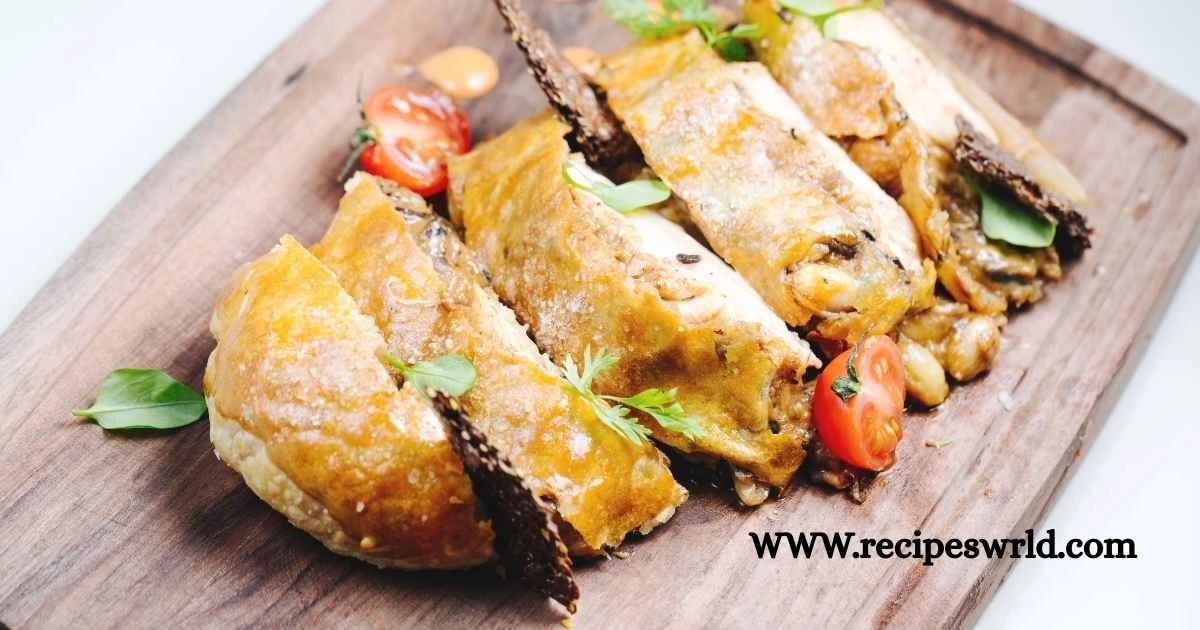
Stuffed flounder or sole brings restaurant elegance home. Butterfly your fish, spread stuffing down the center, roll, secure with toothpicks if needed, and bake until fish flakes easily—usually 20-25 minutes at 375°F.
Stuffed chicken breasts transform weeknight dinners into something special. Cut a pocket into thick chicken breasts, fill with stuffing, secure with toothpicks, and bake until chicken reaches 165°F internally.
Standalone casserole works wonderfully for holiday tables. Press stuffing into a buttered dish, top with breadcrumbs and butter, then bake until golden and crispy on top.
Avoiding Common Pitfalls
Even experienced cooks stumble when making crab stuffing. Here’s how to sidestep the most frequent mistakes:
Using too much filler ranks as the cardinal sin. You invested in quality crab—let it shine. Maintain a ratio where crab presence remains obvious in every bite.
Over-seasoning masks delicate sweetness. Start conservative with seasonings, taste your raw mixture (yes, it’s safe with fresh ingredients), and adjust accordingly.
Skipping the shell check guarantees unpleasant crunchy surprises. Even pre-picked crab occasionally contains fragments. Run your fingers through the meat carefully before mixing.
Wrong consistency plagues many first attempts. Too dry and your stuffing crumbles; too wet and it becomes dense paste. Add liquid gradually, checking texture as you go. The mixture should hold together when gently squeezed.
Rough handling turns lump crab into expensive mush. Fold ingredients together with a light touch, treating your crab like the delicate treasure it is.
Make-Ahead Magic
Planning ahead transforms holiday cooking from stressful chaos into calm confidence. You can assemble crab stuffing completely up to 24 hours before baking. Cover tightly with plastic wrap and refrigerate. Bring the dish to room temperature for 30 minutes before baking to ensure even cooking.
For longer storage, freeze unbaked stuffing for up to two months. Thaw overnight in your refrigerator, then bake as directed. The quality holds remarkably well, though texture may slightly soften compared to freshly made.
Cooked leftover stuffing keeps 3-4 days refrigerated in airtight containers. Reheat covered at 350°F for 15-20 minutes, adding a tablespoon of stock if it seems dry.
Your Next Steps to Crab Stuffing Mastery
You now possess everything needed to create sensational crab stuffing that rivals anything served at coastal restaurants. Start with the classic recipe, then experiment with regional variations based on your taste preferences. Try stuffing different proteins and vegetables to discover your favorite applications.
Remember that cooking remains as much about intuition as instruction. Your first attempt might need adjustment—perhaps more moisture, different seasoning levels, or texture tweaks. Each time you make crab stuffing, you’ll develop better instincts for what works in your kitchen with your ingredients.
The beauty of this dish lies not just in its elegant flavor, but in its accessibility. You don’t need advanced techniques or obscure ingredients—just quality crab, thoughtful seasoning, and gentle handling.
Ready to start your crab stuffing journey? Head to your local seafood market, pick up a pound of quality crab meat, and dive in this weekend. Your kitchen is about to smell absolutely incredible, and your dinner guests will think you’ve been hiding secret culinary talents all along. Share your results, variations, and creative applications—the coastal cooking community thrives on exchanging delicious ideas. Now go create something spectacular!