An overview of what a seafood boil is, how it’s prepared, and why it’s so popular.
Table of Contents
The Ultimate Guide to Seafood Boil: A Flavorful Tradition Worth Celebrating
Picture this: It’s a warm summer evening, and you’re gathered around a newspaper-covered table with the people you love most. Steam rises from a mountain of bright red shellfish, golden corn, and perfectly seasoned potatoes. Laughter fills the air as everyone digs in with their hands, cracking shells and sharing stories. There’s no pretense here—no fancy silverware or formal place settings—just pure, messy, delicious joy.
This is the magic of a seafood boil, and if you’ve never experienced it, you’re missing out on one of life’s most soul-satisfying culinary traditions. Whether you grew up with this beloved custom or you’re curious about what all the fuss is about, you’re about to discover everything that makes this communal feast so special.
What Is a Seafood Boil? Understanding This Beloved Culinary Tradition
When someone mentions a seafood boil, they’re talking about far more than just a cooking method. You’re looking at a full-blown social event where shellfish, vegetables, and aromatic seasonings come together in a massive pot of boiling water, creating an unforgettable feast meant for sharing.
The roots of this tradition run deep through Louisiana’s Cajun and Creole communities. Indigenous peoples originally developed methods of communal cooking with local ingredients, and French settlers adapted these techniques when they arrived in the American South. What emerged was a cooking style that celebrated abundance, flavor, and togetherness—values that still define the seafood boil experience today.
You’ll find regional variations across the South. In South Carolina’s Low Country, locals call it a Frogmore Stew or Low Country Boil. Travel to Maryland, and you’ll encounter blue crab feasts seasoned heavily with Old Bay. Head to Louisiana during spring, and you’ll be invited to crawfish boils that stretch for hours. Each version carries its own personality, but they all share one common thread: bringing people together over incredible food.
Why Seafood Boils Have Captured Hearts Nationwide
The explosion of seafood boil popularity over the past decade isn’t accidental. You’ve probably seen those viral videos on social media—mountains of shellfish tumbling onto tables, people cracking claws, and sauce dripping everywhere. It’s food that demands to be photographed and shared.
But there’s something deeper at work here. In our increasingly digital world, a seafood boil forces you to put down your phone, get your hands dirty, and connect with the people around you. You can’t scroll through Instagram when you’re wrestling with crab legs. You can’t type out emails when your fingers are coated in butter and Cajun seasoning.
Restaurant chains recognized this appeal and began opening seafood boil concepts across the country, introducing the tradition to regions far from the Gulf Coast. Suddenly, people in landlocked states could experience what coastal communities had enjoyed for generations. Home cooks followed suit, discovering that hosting a seafood boil was more accessible than they’d imagined.
Essential Ingredients for an Authentic Seafood Boil
Choosing the Best Seafood for Your Boil
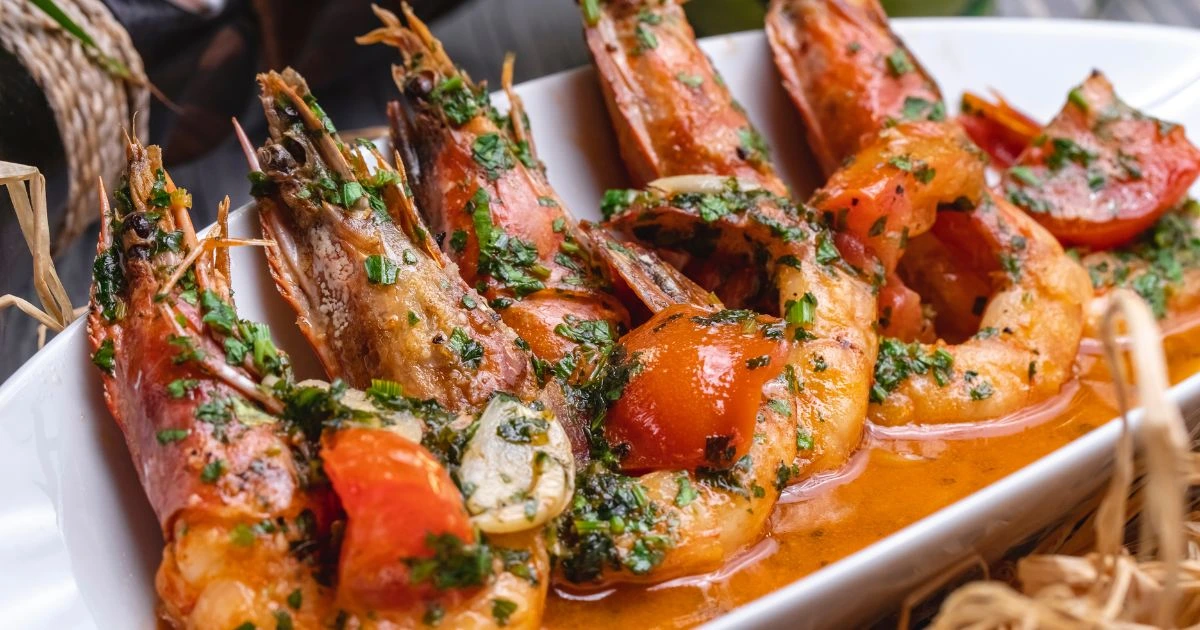
Your seafood selection will make or break your boil. You’ll want to focus on shellfish that can handle high heat without falling apart. Shrimp should always be shell-on—those shells protect the meat and infuse incredible flavor into every bite. Plan on about one pound per person if shrimp is your main protein.
Crawfish brings that authentic Louisiana touch, though you’ll need to source them fresh during spring season or purchase frozen year-round.Blue crabs deliver tender, subtly sweet meat that complements the bold flavors of Old Bay seasoning perfectly. For a luxurious twist, king crab legs or snow crab clusters elevate your boil into something spectacular.
When you’re shopping, freshness indicators matter tremendously. Fresh shrimp should smell like the ocean—clean and briny, never fishy or ammonia-like. Crabs should feel heavy for their size, indicating full meat inside. Frozen seafood works wonderfully if you can’t access fresh options, but make sure you’re buying from reputable sources.
The Supporting Cast: Vegetables and Add-Ins
Your vegetables need to stand up to vigorous boiling while absorbing all those gorgeous flavors. Red potatoes are a better choice than russets since they keep their shape during cooking. Cut your corn into thirds—this makes it easier to eat and ensures everyone gets plenty. Andouille sausage isn’t seafood, but it’s absolutely non-negotiable. That smoky, spicy flavor permeates everything else in the pot.
Don’t stop there. Quartered onions add sweetness. Whole garlic cloves transform into buttery nuggets of flavor. Halved lemons brighten the entire dish. Some cooks throw in mushrooms, artichokes, or even Brussels sprouts for variety.
Seafood Boil Seasoning: The Secret to Incredible Flavor
Your seasoning strategy separates mediocre boils from legendary ones. Store-bought options like Old Bay, Zatarain’s, or Slap Ya Mama deliver consistent results and save time. You’ll need about one-quarter to one-half cup of seasoning per gallon of water—don’t be shy here.
But if you want to truly impress, mix your own blend. Combine paprika for color, cayenne for heat, garlic and onion powder for savory depth, plus thyme, oregano, black pepper, and celery salt. This homemade approach lets you control the spice level and customize flavors to your preference.
Homemade Seafood Boil Seasoning:
- ¼ cup paprika
- 2 tablespoons cayenne pepper
- 2 tablespoons garlic powder
- 2 tablespoons onion powder
- 1 tablespoon dried thyme
- 1 tablespoon dried oregano
- 1 tablespoon black pepper
- 1 tablespoon celery salt
- 1 teaspoon mustard powder
Combine the ingredients well, then transfer the mixture to an airtight container for storage.This batch will season several boils, and the flavors actually improve after a few days.
How to Prepare a Seafood Boil: Your Step-by-Step Guide
Equipment You’ll Need
Before you start cooking, gather your supplies. You’ll need a stockpot that holds at least twenty quarts—bigger is genuinely better here. If you’re cooking outdoors, a propane burner gives you the heat output necessary for maintaining a strong boil. A long-handled strainer or spider skimmer helps you remove ingredients safely.
For serving, newspaper or butcher paper transforms any table into a proper boil station. Grab nutcrackers, seafood forks, and small bowls for melted butter. Your guests will appreciate plenty of napkins and wet wipes too.
The Perfect Seafood Boil Method
Timing determines everything in a successful boil. Different ingredients require different cooking periods, and you’ll add them sequentially to ensure everything finishes perfectly at the same moment.
Start by filling your pot halfway with water. Add your seasoning generously—the water should taste pleasantly salty and spicy. Throw in halved lemons and whole garlic cloves, then bring everything to a rolling boil.
Potatoes go in first because they need the longest cooking time—about fifteen to twenty minutes. After five minutes, add your quartered onions and sliced sausage. These need ten to fifteen minutes total.
Next comes the corn, which requires seven to ten minutes. You’re building flavors with each addition, and the staggered timing ensures nothing gets overcooked or undercooked.
Your seafood enters the pot last. Crab legs need five to six minutes. Shrimp cook in just three to four minutes—they’re done when they turn pink and firm. Crawfish take three to five minutes and will float when ready. Clams and mussels require five to seven minutes and should pop open (discard any that stay closed).
Once everything reaches perfection, drain the pot carefully. Transfer your ingredients to a large serving area—traditionally, you’d dump everything directly onto that newspaper-covered table. Toss with additional melted butter and extra seasoning, then garnish with fresh parsley and lemon wedges.
Why Is Seafood Boil So Popular? The Psychology Behind the Tradition
The Social and Communal Experience
There’s genuine psychology at work when you sit down to a seafood boil. The informal nature breaks down social barriers. Company executives and construction workers become equals when everyone’s elbows-deep in shellfish. You can’t maintain pretense or distance when you’re passing crab crackers and sharing stories.
Multi-generational appeal makes seafood boils perfect for family gatherings. Grandparents teach grandchildren the proper technique for peeling shrimp. Teenagers actually put down their phones because the food is too messy to eat while scrolling. Kids love the hands-on eating experience—it feels like breaking the rules, even though it’s exactly how you’re supposed to eat.
The Sensory Appeal
Your senses get completely overwhelmed—in the best possible way. The visual drama of crimson shellfish piled high against golden corn and green herbs creates an irresistible presentation. Aromatic waves of garlic, lemon, and Cajun spices fill the air before you take your first bite. The tactile experience of cracking shells and getting messy adds an element of playfulness that formal dining never achieves.
Flavor complexity separates good boils from transcendent ones. The seasoned water penetrates every ingredient, while butter sauces add richness and depth. Each bite delivers sweet shellfish, spicy seasoning, and whatever flavor you’ve chosen to emphasize—whether that’s garlic, lemon, or cayenne heat.
Tips for Hosting the Perfect Seafood Boil Party
Planning and Preparation
Your timeline matters tremendously. Three days before your event, order your seafood from a trusted supplier or confirm your pickup time. Purchase non-perishable ingredients like seasonings, paper goods, and beverages.
The day before, prep your vegetables. Wash and cut corn into thirds. Halve small potatoes or quarter larger ones. Mix your butter sauces and store them in the refrigerator. Set up your outdoor cooking area if you’re using a propane burner.
On the day itself, pick up fresh seafood as close to cooking time as possible. Set up your serving area with newspaper or butcher paper covering every surface. Prepare garnishes and any side dishes. Start cooking about forty-five minutes before you want to serve.
Sizing Your Seafood Boil
Getting quantities right prevents waste and ensures everyone leaves satisfied. Plan on one pound of shrimp per person, half to one pound of crab legs, or three to five pounds of crawfish. Each guest should get one to two pieces of corn, three to four small potatoes, and two to three ounces of sausage.
These numbers assume your seafood boil is the entire meal. If you’re serving substantial sides, you can reduce seafood quantities slightly.
Pairing Drinks with Your Seafood Boil
Cold beer ranks as the traditional beverage choice. Light lagers and pilsners complement spicy flavors without overwhelming delicate seafood. Crisp white wines like Sauvignon Blanc or Pinot Grigio work beautifully for wine enthusiasts. Sweet tea brings that authentic Southern touch, while lemonade appeals to non-alcohol drinkers. Frozen margaritas match the festive atmosphere perfectly.
Frequently Asked Questions About Seafood Boil
How much does it cost to make a seafood boil at home?
Your total investment typically ranges from fifteen to thirty dollars per person, depending on seafood choices. Shrimp and sausage boils cost less—around fifteen to twenty dollars per guest. Crab legs or lobster push prices higher, potentially reaching twenty-five to forty dollars per person. Buying frozen seafood and shopping sales reduces costs significantly.
Can you make a seafood boil without special equipment?
Absolutely. Any large pot works for smaller gatherings. A twelve to sixteen-quart stockpot easily serves four to six people using your regular kitchen stove. You don’t need outdoor burners, propane setups, or specialized tools—though they certainly make larger boils easier.
How do you know when seafood in a seafood boil is done?
Visual cues tell you everything. Shrimp turn pink and opaque in three to four minutes. Crab legs need five to six minutes until heated through. Crawfish float when cooked properly after three to five minutes. Clams and mussels open when ready—discard any that remain closed after seven minutes. Overcooked seafood becomes rubbery and tough, so watch your timing carefully.
Bringing People Together, One Seafood Boil at a Time
You’ve now got everything necessary to create your own memorable seafood boil. You understand the history and cultural significance. You know which ingredients to buy and how to prepare them. You’ve learned the timing sequences that ensure perfect results. Most importantly, you recognize that a seafood boil transcends mere cooking—it’s about creating connections and celebrating community.
The charm of this tradition is found in how easily it adapts. You can follow classic Louisiana methods or forge your own path with international flavors. You can keep things budget-friendly with shrimp and sausage, or splurge on king crab and lobster. What truly matters is gathering your favorite people and sharing an experience that nourishes both body and soul.
Ready to host your first seafood boil? Start planning today. Pick a date, invite your friends and family, and prepare for an evening of laughter, mess, and absolutely delicious food. Your guests will remember this meal long after the last shell gets tossed in the trash.
Share your seafood boil adventures with us in the comments below. What’s your favorite regional variation? Do you prefer extra spice or milder seasoning? Let’s build a community of seafood boil enthusiasts who celebrate this incredible tradition together!