How a meatloaf recipe with crackers improves texture and flavor
Table of Contents
The Ultimate Meatloaf Recipe with Crackers: Transform Your Dinner with Perfect Texture and Flavor
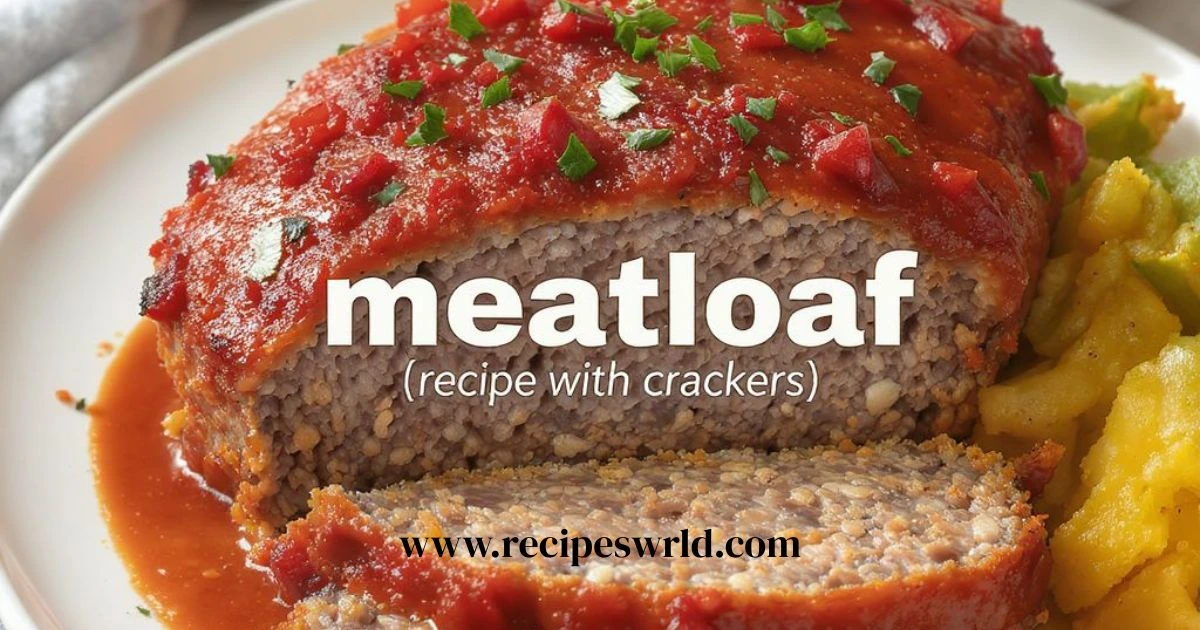
There’s something magical about pulling a perfectly cooked meatloaf from your oven—the aroma filling your kitchen, the golden-brown crust glistening under the light. Yet how many times have you sliced into that promising exterior only to discover a dry, crumbly disaster? You’re not alone in this culinary frustration. The difference between mediocre meatloaf and the kind that has everyone reaching for seconds often comes down to one surprisingly simple ingredient: crackers.
Your grandmother probably knew this secret all along. While modern recipes complicate things with exotic ingredients and elaborate techniques, the most transformative element might already be sitting in your pantry. A meatloaf recipe with crackers doesn’t just improve your dinner—it completely revolutionizes the way your family experiences this classic comfort food.
Why Crackers Are the Secret Ingredient in the Best Meatloaf Recipe
When you crush saltines or Ritz crackers into your meat mixture, you’re not just adding filler. You’re introducing a sophisticated binding system that changes everything about how your meatloaf cooks and tastes.
Unlike breadcrumbs, which can turn gummy and dense, crackers bring a unique combination of starches and fats that work in harmony with ground beef. The processed nature of crackers means they’ve already been engineered for consistent texture—something home cooks can leverage for predictable, exceptional results every single time.
Think about what happens when you soak a cracker in milk. It doesn’t just absorb liquid; it transforms into a paste-like substance that distributes moisture evenly throughout your meat. This panade, as professional chefs call it, creates tiny pockets of tenderness that keep every bite succulent. The starch molecules in crackers form a protective network around meat proteins, preventing them from squeezing out moisture during the cooking process.
The fat content in certain crackers, particularly butter-rich varieties like Ritz, adds another dimension. These fats melt during baking, basting your meatloaf from within. You end up with meat that’s self-marinating as it cooks, developing flavor complexity that breadcrumbs simply cannot match.
The Science Behind Texture: How Crackers Improve Your Meatloaf
Your meatloaf’s texture depends on protein development. When you mix ground beef, the myosin proteins begin bonding together. Too much bonding creates that unpleasant, sausage-like density nobody enjoys. Not enough, and your loaf crumbles apart on the dinner plate.
Crackers solve this delicate balance beautifully. By pre-soaking crushed crackers in milk before adding them to your meat, you create a buffer that prevents overworking. The cracker particles coat individual meat fibers, allowing them to bind just enough for structural integrity without becoming tough or rubbery.
Consider the air pockets. As crackers hydrate and expand during baking, they create microscopic spaces throughout your loaf. These air pockets give you that melt-in-your-mouth quality—the hallmark of truly exceptional meatloaf. Professional kitchens understand this principle and apply it across countless applications, from meatballs to burger blends.
Temperature retention plays a fascinating role here as well. The starch structure in crackers absorbs and holds heat more gradually than plain meat would. This means your meatloaf cooks more evenly, reducing the risk of dry edges and undercooked centers that plague so many home recipes.
Flavor Boost: Why a Meatloaf Recipe with Crackers Tastes Better
Texture improvements alone would justify using crackers, but the flavor advantages seal the deal. Saltine crackers contribute a subtle salinity that seasons your meat from within, reducing the need for additional salt and preventing those pockets of over-seasoning that make some bites too intense.
Different cracker varieties open up exciting flavor possibilities:
- Saltines provide that classic, nostalgic taste your family remembers from childhood dinners
- Ritz crackers introduce buttery richness that makes every forkful feel indulgent
- Club crackers offer mild flavor that lets your seasonings shine without competition
- Whole wheat varieties add nutty, earthy notes that complement beef’s natural savoriness
- Seasoned crackers come pre-loaded with herbs and spices, streamlining your preparation
The porous nature of crackers also makes them exceptional at absorbing and distributing seasonings. When you add Worcestershire sauce, garlic, or herbs to your mixture, crackers trap these flavors and release them gradually during cooking. This creates layers of taste rather than the one-dimensional flavor profile you get from under-seasoned or poorly mixed meatloaf.
The Perfect Meatloaf Recipe with Crackers
Ready to put theory into practice? Here’s your blueprint for meatloaf perfection.
What You’ll Need
For the ultimate tender, flavorful loaf, gather these components:
Main Ingredients:
- 2 pounds ground beef (choose an 80/20 blend for optimal moisture and flavor)
- 1 cup crushed saltine crackers (approximately 25 crackers, processed until fine)
- 2 large eggs (room temperature works best for even mixing)
- 1/2 cup whole milk (the fat content matters for creating that crucial panade)
Aromatics and Seasonings:
- 1 medium yellow onion, diced finely to avoid large chunks in finished loaf
- 3 cloves garlic, minced until nearly paste-like
- 2 tablespoons Worcestershire sauce for that umami depth
- 1/4 cup ketchup, plus extra for glazing the top
- 1 teaspoon salt
- 1/2 teaspoon freshly ground black pepper
- 1 tablespoon dried parsley
- 1 teaspoon paprika for color and subtle sweetness
Your Step-by-Step Process
Creating the Foundation (10 minutes)
Start by crushing your crackers. A food processor makes quick work of this, but you can also seal crackers in a zip-top bag and use a rolling pin. Aim for a texture somewhere between coarse breadcrumbs and fine powder—you want consistency without turning them into dust.
Pour your milk over the crushed crackers in a large mixing bowl. Let this mixture sit undisturbed for five minutes. You’ll notice the crackers absorbing the liquid and transforming into a paste. This panade is your secret weapon for moisture retention.
Building Flavor (7 minutes)
While your crackers soak, heat a small skillet over medium temperature. Add your diced onions and minced garlic, cooking until the onions turn translucent and fragrant. This step develops sweetness and eliminates the harsh bite of raw onions. Allow the mixture to cool slightly before proceeding—adding hot ingredients directly to raw meat can begin cooking proteins prematurely.
Combining Everything (10 minutes)
Add your ground beef to the cracker panade. Crack in your eggs, then incorporate the cooled onions and garlic. Pour in the Worcestershire sauce and ketchup. Sprinkle all your seasonings across the surface.
Here’s where patience pays off: mix gently with your hands, using a folding motion rather than aggressive squeezing or kneading. Stop the moment you can no longer see dry ingredients. Overworking develops excessive protein bonds that turn your meatloaf tough and dense.
Shaping and Preparation (5 minutes)
You have two options for shaping. A loaf pan produces uniform slices perfect for sandwiches the next day. However, free-forming your loaf on a parchment-lined baking sheet allows fat to drain away and develops a delicious crust on all sides—not just the top.
Shape your mixture into an oval dome, slightly higher in the center than at the edges. This shape promotes even cooking. Spread additional ketchup across the top surface, creating a glaze that will caramelize beautifully during baking.
The Baking Process (60-70 minutes)
Preheat your oven to 350°F. Slide your meatloaf onto the center rack and set a timer. After 30 minutes, apply another layer of ketchup glaze if you desire extra caramelization.
The only reliable doneness test is internal temperature. Insert an instant-read thermometer into the thickest part of your loaf. When it reads 160°F, remove the meatloaf from your oven immediately. Carryover cooking will bring the temperature up a few more degrees as it rests.
The Crucial Resting Period (10 minutes)
This step separates good cooks from great ones. Transfer your meatloaf to a cutting board and resist the temptation to slice immediately. During these ten minutes, juices redistribute throughout the meat. Cut too soon, and those precious juices run out onto your cutting board instead of staying in each slice where they belong.
Pro Tips for Extraordinary Results
Your success with a meatloaf recipe with crackers improves dramatically when you understand these insider techniques:
Ratio Precision Matters
The ideal proportion sits between 1/2 and 3/4 cup of crushed crackers per pound of meat. Too many crackers create a dry, crumbly texture. Too few leave you with a dense, compact loaf that lacks the tender quality you’re after.
Never Skip Soaking
Dry crackers act like tiny sponges, pulling moisture from your meat during cooking. Pre-soaking ensures they’re already saturated, protecting your beef’s natural juices. This single step makes the difference between dry disappointment and succulent success.
Mix with Restraint
Your hands are better tools than spoons or mixers for this task. You can feel when ingredients just come together, allowing you to stop before overworking develops rubbery texture. Mix only until you no longer see pockets of unmixed ingredients.
Trust Your Thermometer
Visual cues deceive. A thermometer tells the truth. Remove your meatloaf at precisely 160°F—not 155°F, not 165°F. This narrow window delivers meat that’s safely cooked yet still juicy and tender.
Common Mistakes That Sabotage Your Meatloaf
Even experienced cooks stumble on these pitfalls when preparing meatloaf with crackers.
Using Incorrect Cracker Quantities
More isn’t better here. Excessive crackers absorb so much moisture that your finished loaf becomes dry and falls apart when sliced. Conversely, insufficient crackers leave you without adequate binding, resulting in a dense, heavy texture that feels more like a brick than dinner.
Forgetting the Milk Soak
Rushing this step undermines everything you’re trying to achieve. Those dry crackers will steal moisture from your meat during cooking, leaving you wondering why your meatloaf turned out dry despite following the recipe.
Overmixing the Meat Mixture
Aggressive mixing develops excessive myosin bonds between proteins, creating that unpleasant, sausage-like density. Your goal is barely combined—just enough for ingredients to hold together.
Slicing Too Soon
Impatience costs you dearly here. When you cut into meatloaf immediately after removing it from the oven, juices haven’t had time to redistribute and redistribute. They pour out instead of staying in each slice, leaving you with dry meat despite perfect cooking.
Transform Your Family Dinners Tonight
You now possess the knowledge that separates forgettable meatloaf from the kind people remember and request by name. A meatloaf recipe with crackers delivers consistently exceptional results because it works with meat science rather than against it.
The crackers in your pantry hold the key to tender texture, moisture retention, and flavor distribution that breadcrumbs simply cannot match. Whether you reach for classic saltines or indulgent Ritz, you’re employing the same technique professional chefs use to guarantee perfect results every single time.
Your next dinner doesn’t need to be ordinary. Gather your ingredients, crush those crackers, and create a meal that has everyone asking for your secret. The answer is simpler than they’ll imagine—and more effective than they’ll believe until they taste it for themselves.
Ready to revolutionize your weeknight dinners? Head to your kitchen right now and start crushing those crackers. Your family will thank you at the dinner table tonight, and you’ll wonder why you waited so long to discover this game-changing technique. Share your results and favorite cracker variations with other home cooks—great food tastes even better when the joy is shared.