How to Make Meatloaf recipe Lipton Onion Soup: Ingredients and Methods Explained
Table of Contents
The Ultimate Meatloaf Recipe Lipton Onion Soup: A Family Classic That Never Fails
Picture this: You’re standing in your kitchen on a chilly evening, and the savory aroma of caramelized onions and perfectly seasoned beef fills every corner of your home. Your family gathers around the dinner table, drawn by a scent that promises pure comfort. This isn’t just any ordinary dinner—it’s the magic that happens when you discover the secret behind the perfect meatloaf recipe Lipton onion soup.
My grandmother never measured anything twice. She’d tear open that familiar envelope of Lipton onion soup mix with practiced ease, wink at me, and say, “This is the secret, sweetheart.” Years later, I understand why that simple packet transformed her meatloaf from mundane to magnificent. Today, you’ll discover how to recreate that same magic in your own kitchen.
Why Your Meatloaf Needs Lipton Onion Soup Mix
You’ve probably tasted countless meatloaf recipes—some dry, others bland, and a few that simply missed the mark. The difference between forgettable and phenomenal often comes down to one simple ingredient that’s been hiding in your pantry all along.
Lipton onion soup mix isn’t just a seasoning packet. It’s a carefully balanced blend of dehydrated onions, salt, and spices that acts as both a flavor enhancer and a binding agent. When you incorporate this mix into your ground beef, something remarkable happens. The dried onions rehydrate during cooking, releasing their concentrated essence throughout the meat while maintaining texture. Meanwhile, the sodium and other seasonings penetrate every bite, ensuring consistent flavor from the first slice to the last.
The beauty of using this mix goes beyond taste. You’ll save precious time by eliminating the need to chop fresh onions, measure individual spices, or worry about achieving the right seasoning balance. One envelope contains everything your meatloaf craves, delivering reliable results every single time. For busy weeknights or Sunday family dinners, this simplicity becomes invaluable.
Essential Ingredients for Your Perfect Meatloaf
Creating an outstanding meatloaf recipe with Lipton onion soup starts with gathering the right components. Each ingredient plays a specific role in building flavor, texture, and moisture.
The Foundation: Your Ingredient List
| Ingredient | Quantity | Purpose |
|---|---|---|
| Ground beef (80/20 blend) | 2 pounds | Rich, flavorful base |
| Lipton onion soup mix | 1 packet (1 oz) | Seasoning powerhouse |
| Large eggs | 2 | Holds everything together |
| Breadcrumbs or rolled oats | 1 cup | Moisture retention |
| Whole milk | ½ cup | Tender texture |
| Ketchup | ½ cup (divided) | Sweetness and glaze |
| Worcestershire sauce | 2 tablespoons | Umami depth |
| Black pepper | ½ teaspoon | Extra seasoning kick |
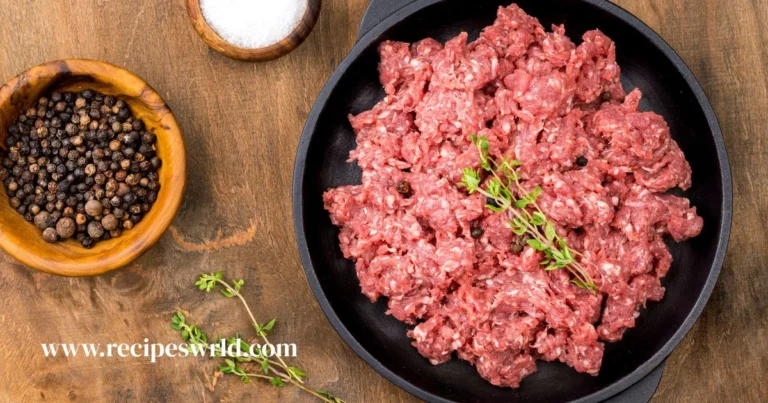
The meat selection matters tremendously. You’ll want ground beef with an 80/20 fat ratio—not the lean varieties. That fat content keeps your meatloaf moist and tender throughout baking. Leaner beef might seem healthier, but it produces dry, crumbly results that nobody enjoys.
Smart Substitutions for Your Kitchen
Your pantry might not always contain exact ingredients, and that’s perfectly acceptable. Consider these alternatives that maintain quality while adapting to what you have available:
Protein variations:
- Ground turkey creates a lighter option (add an extra tablespoon of oil to compensate for less fat)
- A 50/50 blend of beef and pork delivers exceptional richness
- Ground chicken works beautifully with additional moisture from an extra egg
Binding alternatives:
- Crushed Ritz crackers add buttery flavor
- Panko breadcrumbs create airier texture
- Rolled oats provide gluten-free solutions while adding heartiness
Liquid options:
- Buttermilk introduces tangy notes
- Beef broth deepens savory qualities
- Sour cream contributes moisture and subtle acidity
Mastering the Method: Step-by-Step Success
Creating your meatloaf recipe Lipton onion soup doesn’t require culinary school training. Follow this straightforward approach, and you’ll achieve restaurant-quality results in your home kitchen.
Preparation Phase
Start by preheating your oven to 350°F. This moderate temperature allows the meatloaf to cook evenly without burning the exterior before the interior reaches proper doneness. Line your baking sheet with parchment paper or lightly grease a traditional loaf pan.
Mixing Your Ingredients
Here’s where many home cooks make crucial mistakes. In a small bowl, combine your Lipton onion soup mix with the breadcrumbs. This ensures even distribution throughout the meat. In another bowl, whisk together eggs, milk, and Worcestershire sauce until thoroughly blended.
Place your ground beef in a large mixing bowl. Add the dry mixture first, followed by the wet ingredients. Using clean hands or a large fork, gently combine everything until just mixed. This step requires restraint—overworking the meat develops gluten in the breadcrumbs, resulting in tough, dense texture. Mix only until you no longer see dry patches or pools of liquid.
Shaping and Glazing
Transfer your mixture to your prepared pan. Shape it into a traditional loaf form, roughly 9 inches long and 5 inches wide. Avoid pressing too firmly; you want the mixture cohesive but not compacted. Brush half your ketchup over the top surface, creating an attractive glaze that caramelizes during baking.
Baking to Perfection
Slide your meatloaf into the preheated oven. Cooking time typically ranges from 60 to 75 minutes, depending on your oven and the exact loaf dimensions. However, time isn’t your most reliable indicator—temperature is. Insert a meat thermometer into the thickest part of the loaf. When it reads 160°F, your meatloaf has reached safe, optimal doneness.
Take it out of the oven and allow it to rest for about 10 minutes before slicing. This pause helps the juices settle evenly throughout the meat instead of spilling out onto the cutting board.
Popular Variations to Explore
Once you’ve mastered the basic meatloaf recipe with Lipton onion soup, you can explore creative variations that keep this dish exciting.
Italian-Inspired Transformation
Add Italian seasoning, minced garlic, and swap your ketchup glaze for marinara sauce. Top with mozzarella cheese during the final 10 minutes of baking. Fresh basil leaves scattered over the finished product add restaurant-worthy presentation.
BBQ Style
Replace traditional ketchup with your favorite BBQ sauce mixed with brown sugar. Add smoked paprika to the meat mixture for deeper, smokier notes. This variation pairs beautifully with cornbread and coleslaw.
Bacon-Wrapped Luxury
Weave bacon strips across the top of your formed loaf before baking. The bacon renders during cooking, basting the meatloaf while creating irresistible crispy edges. Consider a maple glaze for sweet-savory balance.
Vegetable-Loaded Version
Incorporate finely diced bell peppers, shredded carrots, and chopped mushrooms into your mixture. These vegetables add nutrition, moisture, and colorful flecks throughout each slice. This approach sneaks extra servings of vegetables into picky eaters’ diets.
Professional Tips for Outstanding Results
Your success with this meatloaf recipe Lipton onion soup increases dramatically when you understand these insider techniques.
Moisture Management: The number one complaint about meatloaf centers on dryness. Combat this by creating a panade—soak your breadcrumbs in milk for five minutes before mixing. This simple step traps moisture that releases during cooking, keeping every bite tender.
Flavor Enhancement: Let your Lipton onion soup mix hydrate in the milk for a few minutes before combining with the meat. This activates the dried onions and allows flavors to bloom. A splash of soy sauce adds surprising depth without tasting Asian-inspired.
Preventing Common Pitfalls: Never skip the resting period after baking. Your meatloaf needs time to set, or it crumbles when sliced. Don’t use meat that’s too lean—remember, fat equals flavor and moisture. Always verify doneness with a thermometer rather than guessing based on time or appearance.
Glazes That Elevate Your Creation
The glaze transforms your meatloaf from homestyle to spectacular. Here are proven combinations:
Classic Ketchup Glaze: Mix ½ cup ketchup with 2 tablespoons brown sugar and 1 tablespoon apple cider vinegar. This creates sweet-tangy perfection that caramelizes beautifully.
Tangy Tomato Version: Combine ½ cup tomato sauce with 2 tablespoons Worcestershire and 1 tablespoon Dijon mustard for bold, sophisticated flavor.
Sweet and Savory Balance: Whisk together ⅓ cup ketchup, ¼ cup honey, and 2 tablespoons soy sauce for complex depth that appeals to diverse palates.
Apply your chosen glaze twice—once before baking and again during the final 15 minutes of cooking. This double application creates layers of flavor and an attractive, glossy finish.
Storage and Enjoying Leftovers
Your meatloaf recipe with Lipton onion soup produces generous portions, and the leftovers rival the original meal.
Refrigerate properly stored meatloaf for 3-4 days in airtight containers. For extended storage, tightly wrap each slice in plastic wrap, then cover with aluminum foil, and freeze for up to three months. Thaw overnight in your refrigerator before reheating.
Transform leftovers into new meals: slice cold for sandwiches on crusty bread with sharp cheddar and tomato, crumble over pasta with marinara, or dice for a hearty breakfast hash with potatoes and eggs.
Your Kitchen Success Starts Now
The meatloaf recipe Lipton onion soup represents more than dinner—it’s comfort, tradition, and reliability wrapped in one satisfying dish. You now possess the knowledge to create tender, flavorful meatloaf that brings your family back for seconds and generates recipe requests from dinner guests.
Start with the classic preparation method to build your confidence. Once you’ve mastered the basics, experiment with variations that match your family’s preferences. Remember the key principles: gentle mixing, proper fat content, and accurate temperature checking.
Your challenge: Prepare this recipe this week and share your results. Take a photo of your beautifully glazed creation, note which variation you chose, and discover why generations of home cooks have trusted this method. Your kitchen holds the potential for creating new family traditions—all starting with one humble envelope of Lipton onion soup mix and your willingness to try something reliably delicious.