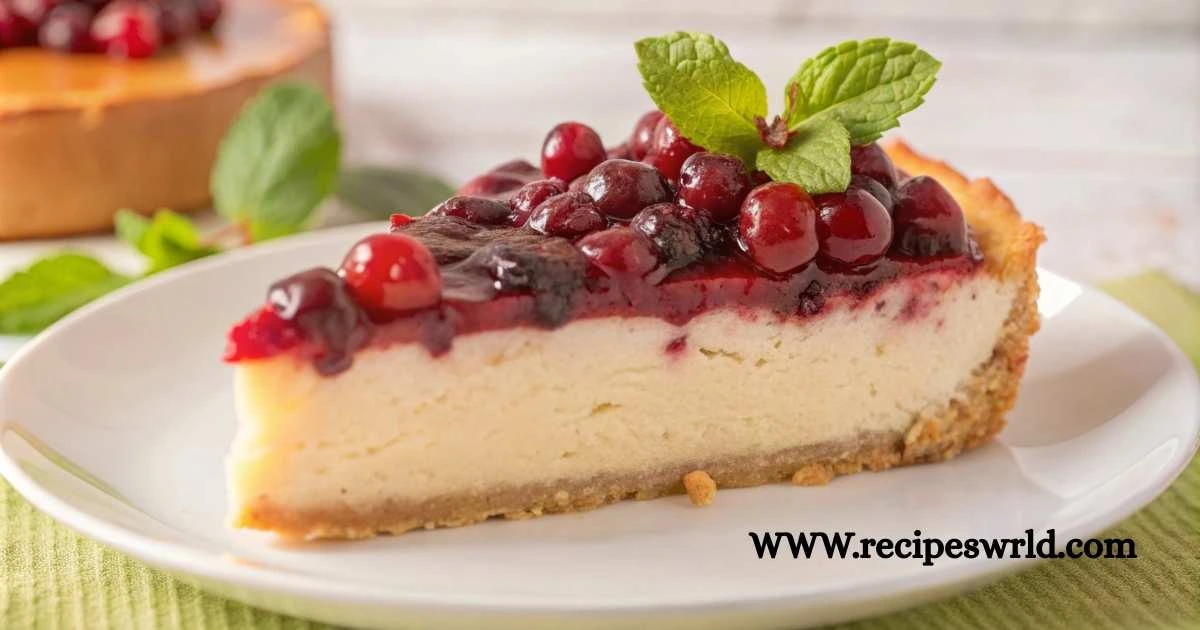
Healthy Cheesecake – Understand how healthier ingredient swaps can turn classic cheesecake into a balanced treat.
Table of Contents
Healthy Cheesecake: Transform Your Favorite Dessert Into a Guilt-Free Indulgence
That moment arrives again—someone slides a gorgeous slice of cheesecake across the table toward you. Your eyes light up, but your stomach sinks. The internal debate kicks in immediately. Should you indulge and derail your progress, or politely decline and watch everyone else enjoy it?
What if this entire dilemma didn’t have to exist? Imagine enjoying every creamy, decadent bite without the usual aftermath of regret, sugar crashes, or feeling like you’ve blown your wellness goals. That’s exactly what healthy cheesecake delivers. Not some dry, flavorless substitute that makes you wish you’d just eaten the real thing—but an actual transformation that keeps everything you love while removing what you don’t need.
Understanding What Makes Traditional Cheesecake Problematic
Your standard cheesecake slice carries some serious nutritional baggage. We’re talking about 450-500 calories packed into a few bites, with roughly 30 grams of sugar—more than the American Heart Association recommends for an entire day. The cream cheese foundation dumps saturated fats into your system, and those refined carbohydrates send your blood glucose levels on a wild ride.
The real kicker? You’ll feel amazing for about twenty minutes, then crash hard as your insulin spikes and drops. That sluggish, uncomfortable feeling that makes you want to nap isn’t just in your head—it’s your body struggling to process ingredients it wasn’t designed to handle in those quantities.
But here’s where this gets interesting. When you swap out problematic ingredients for nutrient-dense alternatives, the entire equation shifts. You’re not sacrificing taste or satisfaction. You’re upgrading the experience while cutting calories by more than half and actually adding beneficial nutrients your body can use.
The Foundation: Swapping Your Base Ingredients
Greek yogurt becomes your MVP in healthy cheesecake recipes. Each cup delivers 15-20 grams of protein alongside probiotics that support digestive health. The natural tanginess mimics traditional cheesecake’s signature bite while creating that smooth, creamy texture you’re craving. Your gut microbiome gets a boost instead of getting overwhelmed by heavy fats.
Cottage cheese might sound strange at first, but hear this out. When you blend it until completely smooth, it provides 25 grams of protein per cup. That’s more protein than you’d get from three eggs. Plus, you’re adding calcium and B vitamins that actually serve a purpose in your body. The texture rivals traditional cream cheese once properly processed.
For those avoiding dairy entirely, cashews soaked overnight create an incredibly rich base. They bring healthy fats, minerals like magnesium and zinc, and a naturally sweet undertone that reduces your need for added sweeteners. Blend them with coconut cream and you’ve got something that’ll make non-vegans jealous.
Rethinking Sweetness Without Refined Sugar
Natural sweeteners change the game entirely. Honey and pure maple syrup don’t just add sweetness—they bring antioxidants, enzymes, and trace minerals. You’ll need about 25% less compared to white sugar because their flavor profiles carry more depth and complexity. Your taste buds register satisfaction faster.
Dates deserve special recognition here. These little powerhouses provide fiber while delivering caramel-like sweetness that enhances rather than overwhelms. They also work as natural binders in no-bake recipes, eliminating the need for additional thickeners or stabilizers.
When you need zero-calorie options that won’t affect blood sugar, stevia and monk fruit extract step up. They’re perfect for ketogenic versions where you’re keeping carbohydrates minimal. Unlike artificial sweeteners, these plant-based options don’t trigger cravings or leave that weird chemical aftertaste.
Building a Better Crust
Why settle for processed graham crackers loaded with added sugars and preservatives? Almond flour provides a naturally gluten-free foundation packed with nutrients. Mix it with melted coconut oil and a drizzle of honey, and you’ve got a crust that contributes healthy fats and protein instead of empty calories.
Oats combined with dates create another fantastic option. You’re adding soluble fiber that supports heart health and keeps you feeling satisfied longer. The dates bind everything together naturally—no butter or oil needed if you’re keeping things extra lean.
For raw, no-bake versions, ground cashews or walnuts mixed with shredded coconut form a crust that stays perfectly stable in the freezer. You’re getting omega-3 fatty acids, vitamin E, and minerals that actually benefit your body.
Your Complete Healthy Cheesecake Blueprint
Let’s get specific. This recipe cuts traditional cheesecake calories in half while doubling the protein content. Each slice delivers approximately 200 calories with 12 grams of protein—that’s a complete nutritional flip from conventional recipes.
What You’ll Gather
| Ingredient | Measurement | Function |
|---|---|---|
| Plain Greek yogurt (non-fat) | 2 cups | Protein-rich foundation |
| Light cream cheese | 8 ounces | Traditional texture element |
| Large eggs | 3 whole | Structure and binding |
| Raw honey | ⅓ cup | Natural sweetener |
| Pure vanilla extract | 2 teaspoons | Flavor enhancement |
| Fresh lemon juice | 2 tablespoons | Brightness and tang |
| For the Base | ||
| Almond flour | 1½ cups | Grain-free crust |
| Coconut oil (melted) | 3 tablespoons | Healthy fat binder |
| Raw honey | 2 tablespoons | Crust sweetness |
| Ground cinnamon | ½ teaspoon | Warming spice |
Assembly Instructions
Start by bringing everything to room temperature. Cold ingredients create lumps and uneven texture. Blend your yogurt and cream cheese until completely smooth—this takes longer than you think, so be patient. Add the eggs one by one, making sure each is fully incorporated before adding the next.
The water bath technique makes all the difference. Place your springform pan inside a larger pan filled with hot water. This creates gentle, even heat that prevents cracking and ensures consistent cooking throughout.
Your cheesecake is done when the edges look set but the center still jiggles slightly when you shake the pan. That wobble isn’t a mistake—it’s exactly what you want. The residual heat continues cooking as it cools, so pulling it out at this stage prevents overcooking.
Let everything cool gradually. Sudden temperature changes cause cracks and texture issues. Leave your cheesecake in the turned-off oven with the door cracked for an hour, then move it to the counter before refrigerating.
Adapting for Different Dietary Approaches
Complete Plant-Based Version
Soak two cups of raw cashews in water overnight. Drain and blend them with coconut cream, maple syrup, fresh lemon juice, and vanilla until silky smooth. The coconut oil firms everything up beautifully in the freezer. Create your crust from pitted dates and raw walnuts—no cooking necessary. This version stays completely raw and delivers incredible nutrition.
Ketogenic-Friendly Adaptation
Keep the full-fat cream cheese but use it intentionally. Sweeten exclusively with erythritol or stevia to maintain ketosis. Your crust comes from almond flour or ground pecans. Each slice stays under five net grams of carbohydrates while delivering healthy fats that support ketone production.
Maximum Protein Focus
Combine cottage cheese, Greek yogurt, and one scoop of unflavored protein powder. This combination pushes protein content to 15-20 grams per slice. You’re basically eating post-workout nutrition that happens to taste like dessert. It’s perfect for anyone prioritizing muscle recovery or trying to increase daily protein intake.
Comparing Nutritional Profiles Side by Side
| Nutritional Element | Traditional Recipe | Healthy Version | Improvement |
|---|---|---|---|
| Total calories | 450-500 | 180-250 | 50-55% reduction |
| Sugar content | 25-30g | 8-12g | 60% decrease |
| Protein | 6-8g | 10-15g | 100% increase |
| Saturated fat | 18-20g | 3-6g | 70% reduction |
| Fiber | 0-1g | 2-4g | 300% increase |
These numbers translate to real differences in how you feel. Lower saturated fat means less inflammation throughout your body. Reduced sugar prevents that awful crash an hour after eating. Increased protein keeps you satisfied longer and supports muscle maintenance.
Critical Mistakes to Sidestep
Don’t try replacing all cream cheese with only Greek yogurt. You’ll end up with something too tangy and runny. The sweet spot involves combining both—maybe two-thirds Greek yogurt to one-third cream cheese. This maintains texture while maximizing protein.
Respect chilling time religiously. Your healthy cheesecake needs at least six hours in the refrigerator, ideally overnight. The modified fat content means it sets differently than traditional versions. Rushing this step gives you a sloppy mess instead of clean slices.
Monitor baking times carefully since lower-fat versions cook faster. Check for doneness about ten minutes earlier than standard recipes suggest. Look for that gentle wobble in the center—it’s your signal for perfection.
Never skip the room temperature step for ingredients. Cold cream cheese creates lumps that no amount of mixing fixes. Let everything sit out for 30-60 minutes before starting.
Topping Strategies That Keep Things Clean
Fresh berries bring natural sweetness without any added sugar. Strawberries, blueberries, and raspberries contribute antioxidants, fiber, and gorgeous color. Simmer them briefly with lemon juice to create a quick compote—the natural pectin thickens everything beautifully.
Dark chocolate shavings work wonderfully when you choose 70% cacao or higher. You’re adding flavonoids and minerals rather than just sugar. The bitter notes balance the creamy sweetness perfectly.
Coconut whipped cream provides dairy-free richness. Chill a can of full-fat coconut milk overnight, scoop out the solid cream, and whip with a touch of vanilla. Crushed nuts add satisfying crunch along with healthy fats and protein.
Proper Storage Extends Your Enjoyment
Keep your healthy cheesecake covered tightly in the refrigerator for five to seven days. Greek yogurt-based versions lean toward the five-day mark, while those with more cream cheese stretch to seven. Place parchment paper between slices if you’re pre-cutting portions—this prevents them from sticking together.
For longer storage, wrap individual slices tightly in plastic wrap, then aluminum foil. Properly wrapped portions stay fresh in the freezer for three months. Always defrost it overnight in the refrigerator instead of leaving it at room temperature. Baked versions handle freezing better than no-bake varieties, which sometimes develop grainy textures when frozen and thawed.
Frequently Asked Questions About Healthy Cheesecake
Does healthy cheesecake really taste as good as regular versions?
Your taste buds adapt quickly, and most people end up preferring the cleaner flavor profile. The tanginess from Greek yogurt adds complexity that one-dimensional sweetness can’t match. Traditional versions often taste overly heavy and cloying once you’ve adjusted to healthier alternatives. The lighter texture feels refreshing rather than sitting like a brick in your stomach.
Can you skip cream cheese entirely?
Absolutely. Blend cottage cheese until completely smooth, or use cashew cream for dairy-free versions. The texture differs slightly from traditional cheesecake, but satisfaction remains high. Many people actually prefer these alternatives once they taste how clean and fresh they are.
What’s the ideal natural sweetener?
That depends on your specific goals. Honey and maple syrup work beautifully for most applications. Choose stevia or monk fruit for ketogenic diets. Dates excel in no-bake versions where their binding properties add extra value. Experiment to find what matches your taste preferences.
How much protein can you realistically pack in?
Combining cottage cheese, Greek yogurt, and protein powder can deliver 15-20 grams per slice. That’s genuine post-workout nutrition disguised as dessert. You’re supporting muscle recovery and keeping yourself satisfied for hours.
Taking Your First Steps Forward
You’ve discovered how simple ingredient swaps transform indulgent cheesecake into something that actually supports your wellbeing. No more choosing between enjoying dessert and respecting your body’s needs. No more guilt after satisfying your sweet tooth.
Start with the classic recipe provided above. Experience how Greek yogurt and natural sweeteners create something genuinely delicious. Pay attention to how you feel an hour after eating—energized instead of crashed, satisfied instead of bloated.
Then experiment with variations. Try the vegan cashew version if you’re avoiding dairy. Boost protein content with cottage cheese for post-workout treats. Adjust sweetness levels to match your personal preferences. This isn’t about rigid rules—it’s about discovering what works for your unique body and taste buds.
Your challenge: Block out two hours this weekend, gather your ingredients, and create your first healthy cheesecake. Share a photo of your creation, tag someone who needs to try this, and start rewriting your relationship with dessert.