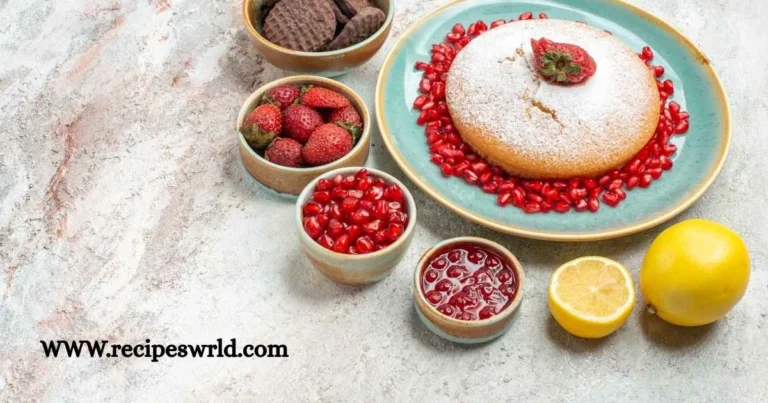

Desserts for diabetics: simple ideas to enjoy sweets while managing blood sugar
Table of Contents
Sweet Freedom: Delicious Desserts for Diabetics That Won’t Spike Your Blood Sugar
Picture this: You’re sitting at your favorite café, watching friends savor their chocolate lava cake while you nurse your black coffee. Sound familiar? If you’ve been diagnosed with diabetes, you’ve probably convinced yourself that desserts belong to your past—a bittersweet memory of simpler times before blood glucose monitors and carb counting became your daily reality.
But here’s something your doctor might not have emphasized enough: Having diabetes doesn’t sentence you to a lifetime without desserts. It simply means you’ll need to approach sweet treats with more intention, creativity, and knowledge. The truth is, you can absolutely enjoy satisfying, delicious desserts while keeping your blood sugar in check.
This isn’t about deprivation or settling for cardboard-textured “diet” foods. It’s about discovering a whole new world of desserts that love your body back—treats that satisfy your cravings without compromising your health goals. Ready to reclaim your relationship with sweets? Let’s explore how you can have your cake and manage your diabetes too.
desserts for diabetics: Understanding the Diabetes-Dessert Connection
Before we jump into recipes and strategies, you need to understand what happens in your body when you eat sweets. This knowledge becomes your superpower when making dessert decisions.
How Your Body Processes Sugar
When you consume traditional desserts loaded with refined sugar, your bloodstream gets flooded with glucose rapidly. For someone without diabetes, the pancreas releases insulin to help cells absorb this glucose. But when you have diabetes, either your body doesn’t produce enough insulin (Type 1) or your cells resist insulin’s effects (Type 2). The result? Blood sugar levels climb to potentially dangerous heights.
Here’s the game-changer: Not all desserts trigger the same blood sugar response. The glycemic index (GI) measures how quickly foods raise your blood glucose. High-GI foods cause rapid spikes, while low-GI options create gentler, more manageable increases. Your mission is choosing desserts that land on the lower end of this spectrum.
desserts for diabetics: The Myth You Need to Abandon Right Now
“Diabetics can’t eat sugar” ranks among the most persistent myths in diabetes management. The reality? You can eat sugar—it’s all about quantity, timing, and pairing. A small portion of dessert after a balanced meal containing protein, healthy fats, and fiber will affect your blood sugar differently than eating that same dessert on an empty stomach.
The American Diabetes Association confirms that people with diabetes can include sweets in their meal plans. The secret lies in being strategic about when, what, and how much you consume.
Smart Ingredient Swaps That Transform Traditional Desserts
Transforming your favorite desserts into diabetes-friendly versions doesn’t require culinary wizardry. You just need to know which ingredients to swap and why those swaps matter.
Sugar Alternatives That Actually Taste Good
Forget everything you think you know about artificial sweeteners tasting “chemical” or “weird.” Modern sugar substitutes have evolved dramatically. Here are your best options:
Stevia comes from plant leaves and contains zero calories or carbohydrates. It’s incredibly sweet—about 200 times sweeter than sugar—so you’ll use tiny amounts. Perfect for beverages and baked goods, though it can sometimes leave a slight aftertaste.
Monk fruit sweetener offers another natural option with zero glycemic impact. Extracted from an Asian fruit, it provides sweetness without the bitter notes some people detect in stevia. You’ll find it works beautifully in everything from cookies to glazes.
Erythritol belongs to the sugar alcohol family but behaves differently than its notorious cousin maltitol (which can spike blood sugar). Your body absorbs very little erythritol, meaning it won’t raise your glucose levels. It measures about 70% as sweet as sugar and works wonderfully in baking.
The key? Experiment with combinations. Many experienced bakers blend different sweeteners to achieve the most sugar-like taste and texture.
Flour Alternatives for Lower-Carb Creations
Traditional all-purpose flour packs about 95 grams of carbohydrates per cup. That’s a blood sugar disaster waiting to happen. Switch to these alternatives instead:
Almond flour brings just 24 grams of carbs per cup along with protein, healthy fats, and a pleasant nutty flavor. It creates tender, moist baked goods but doesn’t rise like wheat flour. You’ll use it for cookies, cake layers, and pie crusts.
Coconut flour goes even further with only 16 grams of net carbs per cup (after subtracting its impressive fiber content). Here’s the catch: It absorbs liquid like a sponge. When substituting coconut flour, you’ll need additional eggs and liquids, typically using only ¼ to ⅓ the amount called for in traditional recipes.
Oat fiber (not the same as oat flour) contains virtually zero digestible carbs. While it can’t stand alone in recipes, mixing it with other alternative flours creates fantastic texture while keeping carb counts incredibly low.
Five Simple Desserts You Can Make Tonight
Stop dreaming about dessert and start making it. These five recipes require minimal ingredients, basic kitchen equipment, and less time than scrolling through social media.
1. Three-Minute Berry Parfait
Layer plain Greek yogurt with fresh berries, a sprinkle of chopped walnuts, and a dash of cinnamon in a pretty glass. The Greek yogurt delivers protein that slows sugar absorption, berries provide antioxidants and fiber, and walnuts contribute healthy omega-3 fats. For a natural touch of sweetness, add a few drops of stevia if desired.
Your blood sugar will thank you because: The protein-to-carb ratio prevents spikes, and berries rank among the lowest-glycemic fruits available. Each serving contains approximately 15 grams of carbohydrates—perfectly reasonable for most diabetes meal plans.
2. Silky Dark Chocolate Avocado Mousse
Blend two ripe avocados with unsweetened cocoa powder, a splash of unsweetened almond milk, vanilla extract, and monk fruit sweetener until completely smooth. Refrigerate for at least an hour, then serve with a dollop of sugar-free whipped cream.
This might sound strange, but avocados create an incredibly creamy texture while providing heart-healthy monounsaturated fats. The cocoa powder brings rich chocolate flavor along with beneficial antioxidants. Best part? You’re looking at only 12 grams of carbs per generous serving.
3. Warm Cinnamon-Baked Apples
Core four medium apples (Granny Smith works brilliantly), fill the centers with chopped pecans and cinnamon, then bake until tender. Skip the brown sugar glaze that traditional recipes demand—you won’t miss it.
The natural sweetness of baked apples satisfies dessert cravings while their fiber content moderates blood sugar impact. Pecans add crunch, healthy fats, and protein. Cinnamon contributes more than flavor; research suggests it may help improve insulin sensitivity.
4. No-Bake Peanut Butter Energy Balls
Mix natural peanut butter (no sugar added) with rolled oats, ground flaxseed, vanilla extract, and your chosen sweetener. Roll into bite-sized balls and refrigerate. These portable treats satisfy sweet and salty cravings simultaneously while delivering protein and healthy fats.
Each energy ball contains roughly 8 grams of carbohydrates, but the protein and fat content means your blood sugar won’t roller-coaster. Make a batch on Sunday, and you’ll have grab-and-go desserts all week.
5. Creamy Chia Seed Pudding
Stir chia seeds into unsweetened almond milk, add vanilla extract and a bit of stevia, then refrigerate overnight. The chia seeds absorb the liquid and create a pudding-like consistency. Top with fresh strawberries before serving.
Chia seeds pack an impressive nutritional punch: omega-3 fatty acids, protein, and a whopping 10 grams of fiber per ounce. That fiber slows digestion and prevents blood sugar spikes. Plus, you’re making tomorrow’s dessert with five minutes of work tonight.
Timing Strategies That Make Desserts Safer
When you enjoy dessert can be just as important as what you choose to eat. Strategic timing can significantly impact your blood sugar response.
After Balanced Meals, Not As Snacks
Never eat dessert on an empty stomach. Instead, enjoy it as the final course of a meal that includes lean protein, healthy fats, and non-starchy vegetables. The protein, fat, and fiber from your meal slow down the absorption of any sugars in your dessert, creating a gentler rise in blood glucose.
Think of it this way: Eating a cookie alone sends sugar racing into your bloodstream. Eating that same cookie after grilled chicken, roasted broccoli, and a side salad? Your body processes it completely differently.
Earlier Rather Than Later
Your body’s insulin sensitivity changes throughout the day. Generally, you’re most insulin-sensitive in the morning and less so as the day progresses. If you’re going to indulge in a slightly higher-carb dessert, earlier in the day typically results in better blood sugar management than late-night treats.
This doesn’t mean you can never have evening desserts—just be more vigilant about portion sizes and blood sugar monitoring when you do.
Reading Labels Like Your Health Depends On It
When you’re shopping for store-bought treats, becoming a label detective protects your health and prevents nasty blood sugar surprises.
The “Sugar-Free” Trap
Products screaming “sugar-free” on their packaging aren’t automatically diabetes-friendly. Many contain flour, milk, or other carbohydrate sources that absolutely affect blood glucose. Others use maltitol, a sugar alcohol that raises blood sugar significantly despite technically being “sugar-free.”
Always flip to the nutrition facts panel. Look at total carbohydrates, not just the sugar line. Some experts recommend calculating “net carbs” by subtracting fiber and certain sugar alcohols from total carbs, giving you a more accurate picture of the dessert’s impact.
Serving Size Reality Check
Pay close attention to serving sizes on packages. That pint of low-carb ice cream might list reasonable nutrition facts—per half-cup serving. But the container holds four servings, and you probably won’t stop at half a cup. If you’re going to eat more than the stated serving size (no judgment—we’ve all been there), multiply those carb counts accordingly and plan your meal around the real numbers.
Common Mistakes That Sabotage Blood Sugar Control
Even with the best intentions, you might be making errors that prevent optimal blood sugar management with desserts.
Forgetting to Test Your Individual Response
Your neighbor with diabetes might handle almond flour brownies beautifully while they send your blood sugar soaring. Bodies respond differently to the same foods. The only way to know how specific desserts affect your glucose is testing two hours after eating them.
Keep a food journal noting what you ate, how much, what you paired it with, and your blood sugar reading. Patterns will emerge showing which desserts work for your unique metabolism.
Going Overboard on “Healthy” Desserts
Just because something contains wholesome ingredients doesn’t give you license to eat unlimited quantities. Those date-sweetened energy balls? Still contain carbohydrates that raise blood sugar. That almond flour cake? Still needs portion control. Diabetic-friendly doesn’t equal blood-sugar-free-for-all.
Skipping Medications or Insulin
Some people think eating low-carb desserts means they can skip their usual diabetes medications or insulin. Never make medication adjustments without consulting your healthcare provider. Those prescriptions work in concert with your dietary choices, not instead of them.
Your Path Forward: Sweet Freedom Awaits
Managing diabetes while enjoying desserts isn’t about perfection—it’s about progress, knowledge, and self-compassion. You’ll have days when your blood sugar responds beautifully to that chia pudding, and days when even your most careful calculations don’t prevent a spike. That’s normal. That’s life with diabetes.
What matters is that you’re no longer sitting on the sidelines while everyone else enjoys dessert. You’re actively participating in celebrations, treating yourself when you deserve it, and proving that diabetes doesn’t get to steal life’s sweetness from you.
Start simple. Pick one recipe from this article and make it this week. Test your blood sugar afterward and note how you feel. Did it satisfy your craving? How did your glucose respond? What would you change next time?
Then experiment with ingredient swaps in your favorite traditional recipes. Replace regular flour with almond flour in your grandmother’s cookie recipe. Swap monk fruit sweetener for sugar in your birthday cake. Adjust, taste, test, and refine.
Most importantly, connect with others walking this same path. Join online diabetes communities where people share their dessert wins and fails. Learn from their experiments. Share your discoveries. You’re part of a millions-strong community figuring out how to live fully and sweetly despite diabetes.
Your diagnosis doesn’t define your desserts anymore. Your creativity, knowledge, and determination do. So grab your mixing bowls, preheat your oven, and show diabetes that you’re in charge of your kitchen—and your joy.
What dessert will you create first? Your sweet freedom journey starts right now.