Diabetic Desserts Made Easy: Better-for-You Sweet Options
Table of Contents
Diabetic Desserts: 25+ Delicious Healthy Alternatives to Traditional Sweet Treats That Won’t Spike Your Blood Sugar
Picture this: You’re celebrating your best friend’s wedding, surrounded by laughter and joy. Then comes dessert time. Everyone around you digs into that magnificent three-tiered cake while you hesitate, calculating carbs in your head, wondering if tonight’s indulgence will send your glucose meter into panic mode tomorrow morning.
Sound familiar?
Here’s something that might surprise you—managing diabetes doesn’t mean you’re sentenced to a lifetime of watching others enjoy desserts while you sip water. That’s an outdated myth that needs retiring. The landscape of diabetic desserts has transformed dramatically, offering you genuine pleasure without the guilt or blood sugar rollercoaster.
Today, you’ll discover how to reclaim your relationship with sweets, learning which ingredients work with your body instead of against it, and exploring recipes that’ll make you forget you’re even making a “healthy” choice.
Understanding Diabetic Desserts: What Makes Them Different?
Let’s cut through the confusion. Diabetic desserts aren’t just regular treats with a “sugar-free” sticker slapped on top. They’re thoughtfully crafted to keep your blood glucose stable while delivering satisfaction.
Traditional desserts typically contain refined sugar, white flour, and minimal fiber—a perfect storm for blood sugar spikes. Your body processes these ingredients rapidly, causing that familiar sugar rush followed by an energy crash.
Diabetic desserts take a smarter approach. They incorporate three fundamental principles:
Lower glycemic ingredients that release glucose gradually into your bloodstream rather than flooding it all at once. Think almond flour instead of all-purpose, berries instead of dried fruits, and natural sweeteners rather than refined sugar.
Healthy fats from sources like nuts, avocados, and coconut that slow down digestion and create lasting satiation. When you combine carbohydrates with fat, your body absorbs the sugar more slowly, preventing dramatic spikes.
Higher fiber content that acts as a buffer, controlling how quickly glucose enters your system. Fiber also keeps you feeling full longer, reducing the temptation to overindulge.
Understanding the glycemic index becomes your secret weapon here.This measure shows how fast a food causes your blood sugar levels to rise. Low GI foods (under 55) are your friends. Medium GI foods (56-69) require moderation. High GI foods (70+) should stay occasional treats, carefully portioned and paired with protein or fat.
The Best Sugar Substitutes for Diabetic Desserts
Navigating the sweetener aisle feels like decoding a foreign language, doesn’t it? Let’s simplify your options.
Stevia extracts come from a plant native to South America. It contains zero calories, produces zero blood sugar impact, and tastes 200-300 times sweeter than regular sugar. You’ll need tiny amounts—start conservatively. Some people detect a slight licorice-like aftertaste, though newer formulations have minimized this considerably.
Monk fruit sweetener derives from a small melon grown in Southeast Asia. Like stevia, it registers zero on the glycemic index. Many people prefer its taste profile, finding it cleaner and more sugar-like without bitterness. It’s become increasingly popular in diabetic desserts for its versatility in baking.
Erythritol belongs to the sugar alcohol family but behaves differently from its troublesome cousins. Your body absorbs very little of it, meaning minimal digestive distress and virtually no blood sugar impact. It provides about 70% of sugar’s sweetness with a cooling effect some find refreshing in desserts like ice cream.
Allulose represents the newest player in the sweetener game. This rare sugar occurs naturally in small quantities in wheat and figs. Your body doesn’t metabolize it, so it passes through without affecting glucose levels. It browns and caramelizes like regular sugar—a huge advantage for baked goods.
What should you avoid? Agave nectar, despite its “natural” marketing, contains high fructose levels that can negatively impact your metabolism. Honey, while nutritious in other ways, still significantly raises blood sugar. Coconut sugar carries a glycemic index similar to regular table sugar. “Sugar-free” products often hide maltitol or other sugar alcohols that can spike glucose and cause digestive upset.
Essential Ingredients for Making Healthy Diabetic Desserts
Your pantry makeover starts here. Stock these staples, and you’ll always be ready to whip up something sweet without compromising your health.
Flour Alternatives That Won’t Spike Blood Sugar
Almond flour revolutionizes low-carb baking. Ground from blanched almonds, it provides protein, healthy fats, and only 6 grams of net carbs per quarter cup. Its slightly sweet, nutty flavor enhances chocolate desserts particularly well. You can substitute it for regular flour in most recipes, though you’ll typically need eggs or binding agents since it lacks gluten.
Coconut flour absorbs liquid like a sponge—seriously, it’s thirsty. You’ll use far less coconut flour than recipes typically call for with wheat flour. Two tablespoons contain just 4 grams of net carbs and loads of fiber. Start conservatively when experimenting, as too much creates dry, crumbly results.
Oat flour offers a middle ground if you’re not strictly low-carb. It contains beneficial beta-glucans that support heart health—important since diabetes increases cardiovascular risk. Grind regular oats in your blender for fresh oat flour anytime.
Healthy Fats for Texture and Satisfaction
Yes, avocado belongs in desserts. Before you scrunch your nose, consider this: ripe avocado creates impossibly creamy chocolate mousse without any avocado flavor. It disappears into the cocoa, leaving only luxurious texture.
Greek yogurt and cottage cheese blend into cheesecakes and parfaits, pumping up protein while keeping things creamy. Full-fat versions work best—they provide satiety and don’t contain added sugars often found in low-fat alternatives.
Natural nut butters (check labels for added sugar) contribute richness and staying power. Almond, cashew, and peanut butter all work beautifully in fat bombs, cookies, and brownies.
10 Easy Diabetic Dessert Recipes You Can Make Today
Let’s get practical. Here are recipes you can actually make without a culinary degree or obscure ingredients.
Sugar-Free Chocolate Avocado Mousse
This five-minute miracle delivers rich chocolate satisfaction with ingredients you probably already have. Blend two ripe avocados with one-third cup unsweetened cocoa powder, one-quarter cup monk fruit sweetener, one-quarter cup unsweetened almond milk, one teaspoon vanilla extract, and a pinch of salt. The result? Silky mousse with healthy fats and only 7 grams of net carbs per serving.
Chill for an hour if you can wait that long. Top with sugar-free whipped cream and a few cacao nibs for crunch.
No-Bake Cheesecake Bites
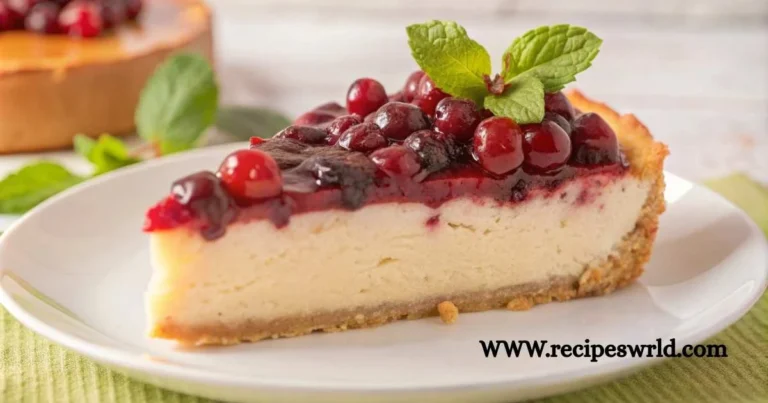
Individual portions solve the “just one more slice” problem. Beat 8 ounces of softened cream cheese with one-third cup erythritol until fluffy. Fold in half a cup of whipped heavy cream, one teaspoon vanilla extract, and one tablespoon fresh lemon zest.
For an optional crust, pulse half a cup of almond flour with two tablespoons melted butter and one tablespoon erythritol. Press into the bottom of silicone muffin cups, spoon the cheesecake mixture on top, and freeze for two hours. Each bite contains approximately 6 grams of net carbs.
Cinnamon Apple “Crisp” with Almond Flour Topping
Choose Granny Smith apples—their tartness and lower sugar content make them the best apple variety for diabetic desserts. Slice three medium apples and toss with one tablespoon lemon juice, two teaspoons cinnamon, and two tablespoons erythritol.
Mix one cup almond flour, four tablespoons melted butter, one-third cup erythritol, half a cup chopped pecans, and one teaspoon cinnamon for your topping. Spread apples in a baking dish, crumble topping over them, and bake at 350°F for 30-35 minutes until golden and bubbling. The cinnamon does double duty—it tastes amazing and research suggests it may help improve insulin sensitivity.
Dark Chocolate Peanut Butter Fat Bombs
These little powerhouses keep you satisfied for hours. Melt together half a cup natural peanut butter, one-quarter cup coconut oil, and three tablespoons unsweetened cocoa powder. Stir in your preferred sweetener to taste and half a teaspoon vanilla extract.
Transfer the mixture into silicone candy molds or an ice cube tray. Sprinkle with flaky sea salt before freezing. Each fat bomb delivers healthy fats and minimal carbs—perfect when you need something sweet between meals. Store them in your freezer and grab one whenever cravings strike.
Berry Chia Pudding Parfait
Chia seeds transform into pudding magic overnight. Whisk one-quarter cup chia seeds with one cup unsweetened almond milk, two tablespoons monk fruit sweetener, and one teaspoon vanilla. Refrigerate overnight.
In the morning, layer your chia pudding with plain Greek yogurt and fresh mixed berries. The fiber from chia seeds and berries, combined with Greek yogurt’s protein, creates a blood sugar-friendly dessert with only 11 grams of net carbs. Blueberries, strawberries, and raspberries all rank low on the glycemic index.
Common Mistakes When Making Diabetic Desserts (And How to Avoid Them)
You’re enthusiastic about trying healthier options—fantastic! But watch out for these pitfalls that trip up even well-intentioned dessert makers.
Mistake #1: Thinking “sugar-free” means unlimited portions. Your body still processes carbohydrates from almond flour, fruit, and other ingredients. Yes, these diabetic desserts impact blood sugar less dramatically than conventional treats, but portion awareness remains crucial.
Mistake #2: Focusing solely on sugar while ignoring total carbs. That “sugar-free” cookie might contain 30 grams of carbohydrates from refined flour. Always check the complete nutritional picture, especially total carbohydrates and fiber (which you can subtract to get net carbs).
Mistake #3: Overdoing sugar alcohols. More sweetener doesn’t equal better taste. It often creates an unpleasant cooling sensation or bitter aftertaste. Worse, excessive sugar alcohol consumption causes digestive distress—bloating, gas, and diarrhea aren’t worth any dessert.
Mistake #4: Assuming all keto desserts work for diabetes management. Some keto recipes prioritize fat content above everything else, incorporating excessive saturated fat or processed ingredients. The best diabetic desserts balance low carbs with overall nutritional quality, considering your heart health alongside blood sugar.
Mistake #5: Never testing your personal response. Everyone’s body reacts differently. A dessert that keeps your friend’s glucose stable might spike yours. Test your blood sugar before eating and two hours after to understand your individual tolerance.
Beyond Desserts: Managing Sweet Cravings with Diabetes
Sometimes you don’t actually need dessert—you need to address what’s driving the craving.
Blood sugar fluctuations themselves trigger sweet cravings. When your glucose drops, your body urgently seeks quick energy, interpreting this as a need for sugar. Keeping your blood sugar stable throughout the day with balanced meals reduces these false alarms.
Stress pumps cortisol through your system, which increases appetite and specifically intensifies sugar cravings. Before reaching for dessert, ask yourself: Am I actually hungry, or am I stressed, bored, or emotional?
Consider these alternatives when cravings hit:
- Brew cinnamon or vanilla-flavored herbal tea that provides sweetness perception without calories
- Enjoy a small handful of fresh berries with heavy cream
- Have one or two squares of very dark chocolate (85% cacao or higher)
- Pop frozen grapes or berries for a naturally sweet, cold treat
- Chew sugar-free gum with intense flavor
Sometimes, addressing the root cause—whether it’s inadequate protein at meals, poor sleep, or unmanaged stress—eliminates cravings more effectively than any dessert substitute.
Frequently Asked Questions About Diabetic Desserts
Can you eat dessert every day with diabetes?
Absolutely, when you choose wisely. Small portions of well-crafted diabetic desserts, eaten after balanced meals, typically won’t sabotage your blood sugar control. Monitor your response and adjust accordingly. Many people successfully include a daily treat without affecting their A1C levels.
What’s the healthiest sweetener for diabetic desserts?
Monk fruit and stevia top the list for zero glycemic impact and natural origins. Erythritol and allulose follow closely, offering minimal side effects compared to other sugar alcohols. Your “best” choice depends on taste preference—sample different options to find your favorite.
Do diabetic desserts taste good?
Modern diabetic desserts have evolved tremendously. When crafted with quality ingredients and proper techniques, many people prefer them to overly-sweet traditional versions. The chocolate avocado mousse recipe above regularly fools people who insist they taste no difference from conventional mousse.
Your Sweet Future Starts Now
Remember feeling defeated at that wedding, watching everyone else enjoy cake? That chapter closes today. You’ve just gained the knowledge and recipes to create diabetic desserts that satisfy both your taste buds and your health goals.
The path forward isn’t about deprivation—it’s about discovery. Discovering which natural sweeteners you prefer, which recipes become your go-to favorites, and how liberating it feels to enjoy sweetness without guilt or blood sugar chaos.
Start small this week. Choose one recipe from this guide—maybe that ridiculously easy chocolate avocado mousse. Make it. Taste it. Test your blood sugar response. Adjust the sweetness to your preference.
Build your personal collection of trusted diabetic desserts gradually. Soon, you’ll have a repertoire that makes you feel included at celebrations, capable in your own kitchen, and confident in your diabetes management.
Your diagnosis isn’t a prison sentence excluding you from life’s sweet moments. It’s an invitation to get creative, to nourish your body thoughtfully, and to prove that health and happiness absolutely coexist.