
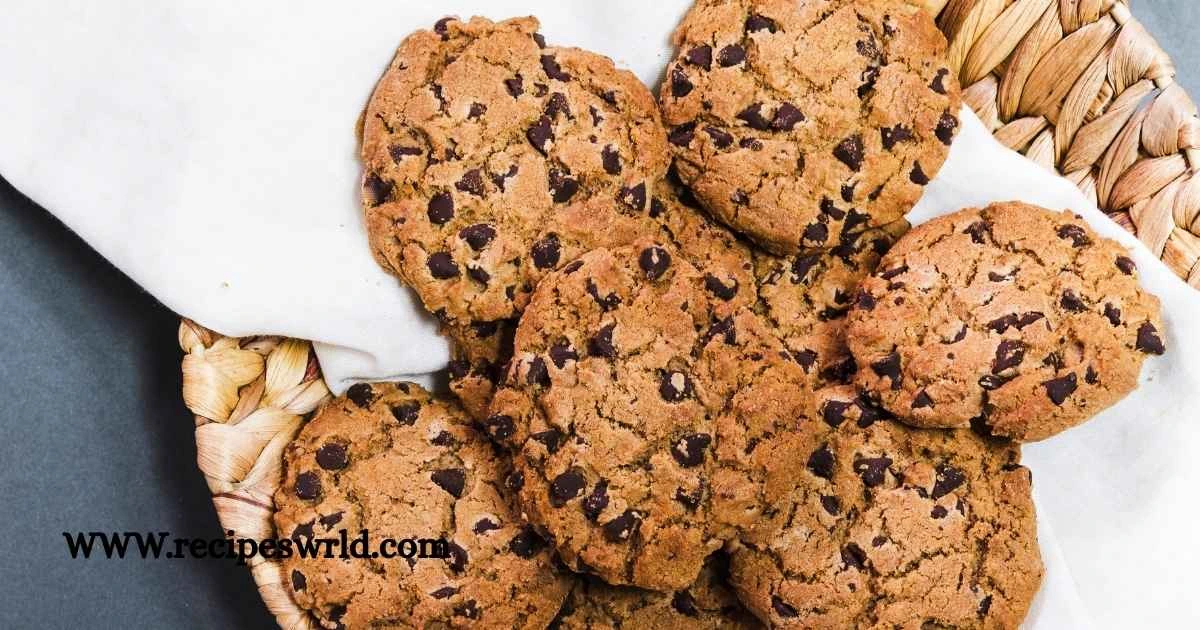
How to Make Chocolate Chip Cookies Without Eggs: Top Substitutes That Actually Work
Table of Contents
The Ultimate Guide to Chocolate Chip Cookies Without Eggs: Perfect Egg Substitutes for Every Baker
Picture this: You’re craving warm, gooey chocolate chip cookies fresh from the oven. Your mixing bowl sits ready on the counter, flour measured out, chocolate chips waiting. Then reality hits—your refrigerator contains exactly zero eggs. Before frustration sets in, here’s the truth that might surprise you: this moment could lead to the best batch of cookies you’ve ever created.
Whether you’re navigating food allergies, embracing plant-based eating, or simply caught empty-handed at an inconvenient moment, you deserve cookies that deliver on taste and texture. The beautiful reality? Learning to master chocolate chip cookies without eggs opens doors to baking freedom you never knew existed. No more panic when your carton runs empty. No more excluding friends with dietary restrictions from your cookie-sharing moments.
Your journey to incredible egg-free chocolate chip cookies starts right here, right now.
Why Eggs Matter in Chocolate Chip Cookies (And Why You Can Live Without Them)
Understanding what eggs contribute to your cookies transforms you from someone following recipes blindly into a confident baker who knows exactly what’s happening in that mixing bowl.
Eggs perform three critical jobs in traditional cookie recipes. First, they act as binding agents, holding your flour, butter, and sugar together into cohesive dough. Second, they contribute moisture that affects your final texture—that perfect balance between crispy edges and chewy centers. Third, they assist with leavening, working alongside baking soda to create that satisfying rise and texture.
Here’s your advantage: chocolate chip cookies are remarkably forgiving compared to other baked goods. Unlike delicate cakes or airy soufflés that rely heavily on egg structure, cookies contain enough butter, sugar, and flour to maintain integrity even when you swap out the eggs entirely.
The secret lies in choosing substitutes that replicate these three functions—binding, moisture, and slight leavening—without compromising your cookie experience.
The 9 Best Egg Substitutes for Chocolate Chip Cookies Without Eggs
Flax Eggs: The Gold Standard
Mix one tablespoon of ground flaxseed with three tablespoons of water, let it rest for five minutes, and watch it transform into a gel that rivals eggs for binding power. This mixture gives you the gold standard for chocolate chip cookies without eggs.
Flax eggs create chewy, dense cookies with a subtle nutty undertone that complements chocolate beautifully. Your cookies hold together perfectly, spread appropriately, and deliver that satisfying texture you’re seeking. The slight nuttiness enhances rather than detracts from your chocolate chips.
Your benefits: Excellent binding strength, appropriate moisture level, and bonus nutrition including omega-3 fatty acids and fiber.
Watch out for: The nutty flavor, though subtle, might not suit everyone’s preferences. Store ground flaxseed in your refrigerator to maintain freshness.
Chia Eggs: The Nutritional Powerhouse
Following the same one-tablespoon-to-three-tablespoons ratio as flax, chia seeds create an equally effective binding gel. These tiny seeds pack impressive nutritional benefits while keeping your cookies together beautifully.
Chia eggs work wonderfully when you want cookies with added fiber and omega-3s. The texture rivals traditional cookies, though whole chia seeds create tiny crunchy spots throughout your cookies—some bakers love this textural variation, while others prefer grinding their chia seeds first for smoothness.
Your benefits: Superior binding, high moisture content, minimal flavor impact, and impressive nutrition.
Watch out for: Visible chia seeds create texture some people find unexpected. Grinding your chia seeds before mixing solves this concern.
Applesauce: The Moisture Champion
Quarter-cup of unsweetened applesauce replaces one egg, bringing tremendous moisture to your chocolate chip cookies without eggs. This substitute creates softer, cake-like cookies that some bakers absolutely adore.
Applesauce works brilliantly when you prefer tender, moist cookies over crispy ones. The natural pectin provides decent binding, though not as strong as flax or chia. Your cookies spread more during baking, creating thinner final products.
Your benefits: Creates incredibly moist cookies, adds natural sweetness, readily available in most pantries, budget-friendly.
Watch out for: Weaker binding means more delicate cookies. Higher moisture content creates more spread. Use unsweetened varieties to control sugar levels.
Commercial Egg Replacers: The Convenience Option
Brands like Bob’s Red Mill, Ener-G, and Follow Your Heart engineer these products specifically for baking. Following package directions gives you results closest to traditional egg-based cookies.
These replacers combine starches and leavening agents formulated to mimic egg behavior perfectly. Your cookies rise appropriately, hold together excellently, and taste neutral—no unexpected flavors interfering with your chocolate.
Your benefits: Foolproof results, neutral flavor, excellent binding, specifically designed for baking success.
Watch out for: Higher cost than DIY substitutes. Requires keeping specialty products stocked. Some brands work better than others—experiment to find your favorite.
Aquafaba: The Vegan Secret Weapon
That liquid in your chickpea can contains magic. Three tablespoons of this cloudy liquid replaces one egg, creating lighter, crispier chocolate chip cookies without eggs.
Aquafaba contains proteins and starches that mimic egg whites surprisingly well. Your cookies turn out lighter and crispier than most other substitutes create—perfect when you prefer crunch over chewiness. The flavor remains completely neutral.
Your benefits: Free ingredient (you’re draining those chickpeas anyway), zero flavor impact, creates lighter texture, completely plant-based.
Watch out for: Creates crispier rather than chewy cookies. Less binding strength than flax or chia options. Refrigerate unused aquafaba promptly.
How to Choose the Right Egg Substitute for Your Chocolate Chip Cookies
Your perfect substitute depends entirely on your desired outcome. Start by asking yourself what texture excites you most.
Craving chewy, dense cookies? Reach for flax eggs or chia eggs. These gel-based substitutes create structure similar to traditional recipes while adding pleasant nuttiness.
Wanting soft, cake-like texture? Applesauce or mashed banana deliver moisture that creates tender cookies melting on your tongue.
Seeking crispy edges and light texture? Aquafaba creates airiness that other substitutes can’t match.
Need absolutely neutral flavor? Commercial egg replacers or the oil-plus-baking-powder combination won’t interfere with your chocolate flavor.
Dealing with multiple allergies? Carefully check your substitute ingredients. Flax works for most restricted diets, though nut-allergic individuals should verify their flaxseed processing facility safety.
Master Recipe: Perfect Chocolate Chip Cookies Without Eggs
Let’s put theory into delicious practice. This recipe works beautifully with any substitute you’ve chosen above.
Your ingredients:
- 2¼ cups all-purpose flour
- 1 teaspoon baking soda
- 1 teaspoon salt
- 1 cup softened butter (or vegan alternative)
- ¾ cup granulated sugar
- ¾ cup packed brown sugar
- 2 teaspoons vanilla extract
- Your chosen egg substitute (equivalent to 2 eggs)
- 2 cups chocolate chips
Your method:
- Heat your oven to 375°F and line baking sheets with parchment paper.
- Whisk together flour, baking soda, and salt in a medium bowl. Set aside.
- Beat butter and both sugars until light and fluffy—about three minutes of mixing creates the ideal texture.
- Prepare your egg substitute according to the guidelines above. For flax or chia eggs, ensure they’ve rested the full five minutes until properly gelled.
- Mix your egg substitute and vanilla into the butter mixture until fully combined.
- Gradually add flour mixture, stirring until just combined. Overmixing creates tough cookies—stop once you no longer see dry flour.
- Fold in chocolate chips gently.
- Drop rounded tablespoons of dough onto your prepared sheets, spacing them two inches apart.
- Bake 9-11 minutes. Your cookies should look slightly underdone in the centers—they’ll continue cooking on the hot pan after removal.
- Let cookies rest on the baking sheet for five minutes before transferring to cooling racks.
Your success secrets:
- Room temperature butter creams more effectively, creating better texture
- Chilling dough for thirty minutes before baking reduces spread and increases thickness
- Slightly underbaking creates chewier centers
- Measuring flour correctly matters—spoon it into your measuring cup and level off, never scoop directly from the bag
Troubleshooting Common Problems with Chocolate Chip Cookies Without Eggs
Your Cookies Spread Too Much
Flat cookies frustrate every baker eventually. Several factors contribute to excessive spreading in chocolate chip cookies without eggs.
Warm butter or warm dough causes immediate spreading when hitting hot oven air. Solution: Ensure your butter reaches room temperature rather than melting it, and chill your dough before baking.
High-moisture substitutes like applesauce naturally create more spread. Solution: Reduce other liquid ingredients by one tablespoon, or add two extra tablespoons of flour to your dough.
Your Cookies Crumble Apart
Crumbly cookies signal insufficient binding or moisture. Your substitute might lack binding strength for your particular recipe needs.
Solution: Switch to stronger binders like flax eggs or commercial replacers. Ensure you’re not overbaking—even one extra minute dries cookies significantly. Check that you’re measuring flour accurately—too much flour creates dry, crumbly results.
Your Cookies Taste Different
Strong-flavored substitutes like banana dramatically alter your cookie taste. While some bakers embrace banana-chocolate combinations, others find it overwhelming.
Solution: Choose neutral substitutes like commercial replacers, aquafaba, or flax eggs (which add only subtle nuttiness). Ensure you’re using high-quality vanilla extract and chocolate chips—these flavors become more prominent in egg-free versions.
Storage and Freezing Tips for Egg-Free Chocolate Chip Cookies
Your chocolate chip cookies without eggs stay fresh similarly to traditional versions when stored properly.
Room temperature storage: Place cooled cookies in airtight containers, separating layers with parchment paper. They’ll maintain quality for five to seven days. Higher-moisture substitutes like applesauce might shorten this window slightly—consume within five days for optimal texture.
Freezing cookie dough: Portion your dough into individual cookie-sized balls, freeze on a baking sheet until solid, then transfer to freezer bags. Bake directly from frozen, adding two extra minutes to your baking time. Dough keeps beautifully for three months.
Freezing baked cookies: Cool cookies completely, layer between parchment paper in freezer-safe containers, and freeze up to three months. Thaw at room temperature for twenty minutes before enjoying.
Your Next Steps to Cookie Success
You now possess everything needed to create outstanding chocolate chip cookies without eggs. No more feeling limited by empty egg cartons. No more excluding friends from your baking adventures. No more compromising on texture or taste.
Start with the master recipe above using your chosen substitute. Pay attention to texture and flavor outcomes. Keep notes about what you love and what you’d adjust. Every baker develops personal preferences—your perfect cookie might differ from someone else’s ideal, and that’s exactly how it should be.
The beautiful truth about baking chocolate chip cookies without eggs? You’re not sacrificing anything. You’re expanding your skills, creating inclusive treats, and discovering that limitations often spark the most delicious creativity.
Grab your mixing bowl, choose your substitute, and transform your kitchen into a cookie paradise. Your perfect batch of chocolate chip cookies without eggs awaits—and trust me, nobody will guess they’re egg-free unless you tell them.
What substitute will you try first? Share your results and discoveries—your experience might inspire the next baker searching for their egg-free cookie solution.