Vegan Gluten Free Cookies – Learn what ingredients make cookies both vegan and gluten free, and how they affect texture and taste.
Vegan Gluten Free Cookies Explained – Ingredients, Texture, and Taste
There is a particular kind of joy that comes from biting into a warm cookie when you thought your dietary needs would limit that pleasure. Maybe you’ve stood in your kitchen, scanning ingredient labels, wondering if it’s even possible to bake cookies that are both vegan and gluten free without sacrificing taste. Or maybe you’ve tried once before, only to end up with something dry, crumbly, or strangely dense. If that sounds familiar, you’re not alone.
Vegan gluten free cookies can feel intimidating at first. Traditional cookies rely heavily on wheat flour, eggs, butter, and dairy—ingredients that seem essential at a glance. Yet with the right understanding, you’ll discover that these cookies can be just as rich, chewy, crisp, and satisfying as conventional ones. Once you learn why specific ingredients are used and how they affect texture and flavor, baking becomes less about trial and error and more about intention.
In this guide, you’ll learn exactly what makes vegan gluten free cookies work. You’ll understand the role of each ingredient, how combinations influence taste and structure, and how to avoid common pitfalls. By the end, you won’t just follow recipes—you’ll know how to adjust them confidently to suit your preferences.
What Are Vegan Gluten Free Cookies?
Vegan gluten free cookies are baked treats made without animal products and without gluten-containing grains. While that definition sounds simple, the technique behind it is anything but basic.
Understanding Vegan Baking Basics
In vegan baking, you remove:
Instead, you rely on plant-based alternatives to achieve binding, moisture, and richness. These substitutes don’t just replace animal products—they behave differently, which changes how cookies bake and taste.
Understanding Gluten Free Baking
Gluten free baking excludes:
- Wheat
- Barley
- Rye
Gluten normally provides elasticity and structure. Without it, cookies rely on alternative flours and binders to hold together and spread correctly.
Why Combining Vegan and Gluten Free Matters
When you combine vegan and gluten free baking, you remove two major structural elements at once: eggs and gluten. This is why understanding ingredients becomes essential. Vegan gluten free cookies aren’t about restriction; they’re about balance.
Core Ingredients That Make Cookies Vegan and Gluten Free
The success of vegan gluten free cookies depends on how well you choose and combine ingredients.
Gluten Free Flours Used in Cookies
Different flours create very different results.
- Almond flour adds moisture and richness but lacks structure on its own.
- Oat flour (certified gluten free) offers a familiar cookie-like softness.
- Rice flour provides lightness but can feel gritty if used alone.
- Sorghum flour adds structure with a neutral flavor.
Most successful recipes use blends rather than a single flour.
Egg Replacements in Vegan Cookies
Eggs bind, lift, and add moisture. In vegan gluten free cookies, you replicate these functions using:
- Flax eggs (ground flaxseed + water) for chewiness
- Chia eggs for stronger binding
- Applesauce for moisture and mild sweetness
- Mashed banana for softness and flavor
Each substitute changes texture slightly, which is why choosing the right one matters.
Dairy-Free Fats and Liquids
Fat controls spread, crispness, and richness.
- Vegan butter mimics traditional cookies closely
- Coconut oil creates crisp edges and soft centers
- Neutral oils keep cookies moist but limit browning
Plant-based milks add hydration without heaviness.
Ingredient Function Table
| Ingredient | Purpose | Effect on Texture |
|---|---|---|
| Almond flour | Structure & moisture | Soft, tender |
| Oat flour | Bulk & familiarity | Chewy |
| Flax egg | Binding | Slightly dense |
| Coconut oil | Fat | Crisp edges |
| Plant milk | Moisture | Balanced crumb |
How Ingredients Affect Texture in Vegan Gluten Free Cookies
Texture is often the biggest concern when baking vegan gluten free cookies. Understanding cause and effect changes everything.
Chewy vs Crispy Results
You control texture by adjusting ratios:
- More fat leads to crisp edges
- More moisture leads to softer centers
- Less flour increases spread
If your cookies feel dry, it’s usually a moisture issue—not a baking time problem.
Binding Without Gluten or Eggs
Without gluten, cookies rely on:
- Natural starches
- Seed-based binders
- Proper hydration
Letting dough rest allows flours to absorb moisture, which reduces crumbling.
Common Texture Challenges
- Crumbliness often means not enough binder
- Density usually comes from overmixing
- Excessive spreading indicates too much fat
Once you know the reason, the fix becomes obvious.
How Ingredients Influence Flavor in Vegan Gluten Free Cookies
Flavor isn’t just about sweetness. It’s about how ingredients interact.
Natural Sweeteners
Many vegan gluten free cookies rely on:
- Coconut sugar for warmth
- Maple syrup for depth
- Brown sugar alternatives for moisture
Liquid sweeteners add softness but reduce crispness.
Flavor Enhancers
To avoid flat-tasting cookies:
- Use vanilla generously
- Add salt intentionally
- Balance sweetness with spice
Flavor Balance Table
| Ingredient | Flavor Profile | Best Pairing |
|---|---|---|
| Coconut sugar | Caramel-like | Chocolate |
| Maple syrup | Warm | Oats |
| Almond flour | Nutty | Vanilla |
Popular Types of Vegan Gluten Free Cookies
Once you understand the basics, variety opens up.
Classic Cookie Styles
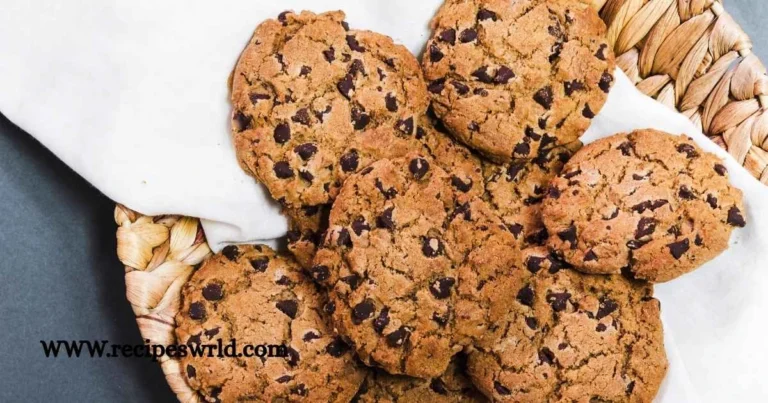
- Chocolate chip
- Oatmeal
- Peanut butter
These cookies translate well into vegan gluten free formats because their base flavors are strong.
Health-Focused Options
- Refined sugar-free cookies
- High-fiber blends
- Protein-rich variations
These work best when texture expectations are adjusted slightly.
Common Mistakes When Baking Vegan Gluten Free Cookies
Even experienced bakers make these mistakes.
Overmixing Dough
Overmixing activates starches and leads to dense cookies. Mix gently.
Skipping Rest Time
Resting dough improves hydration and structure.
Incorrect Flour Ratios
Too much flour dries cookies quickly. Measure carefully.
Storage and Shelf Life of Vegan Gluten Free Cookies
Proper storage preserves texture.
Short-Term Storage
- Airtight containers
- Room temperature for soft cookies
Freezing Tips
- Freeze baked cookies for up to 3 months
- Freeze dough portions for fresh baking
FAQ – Vegan Gluten Free Cookies
Are vegan gluten free cookies healthy?
They can be, depending on ingredients and portion size.
Why do vegan gluten free cookies crumble easily?
Lack of gluten and eggs affects structure, but proper binders help.
Can vegan gluten free cookies taste like regular cookies?
Yes, when ingredients are balanced thoughtfully.
What flour works best for vegan gluten free cookies?
Blends using oat and almond flour perform best.
Conclusion: Baking Vegan Gluten Free Cookies with Confidence
Vegan gluten free cookies aren’t about compromise—they’re about understanding. When you know how ingredients behave, you stop guessing and start creating cookies that match your taste and texture goals. You learn how to make them chewy, crisp, rich, or soft on purpose.
Now that you understand the building blocks, it’s time to put that knowledge into action. Try a recipe, adjust one ingredient, and see how the result changes. Baking becomes more enjoyable when you feel in control.