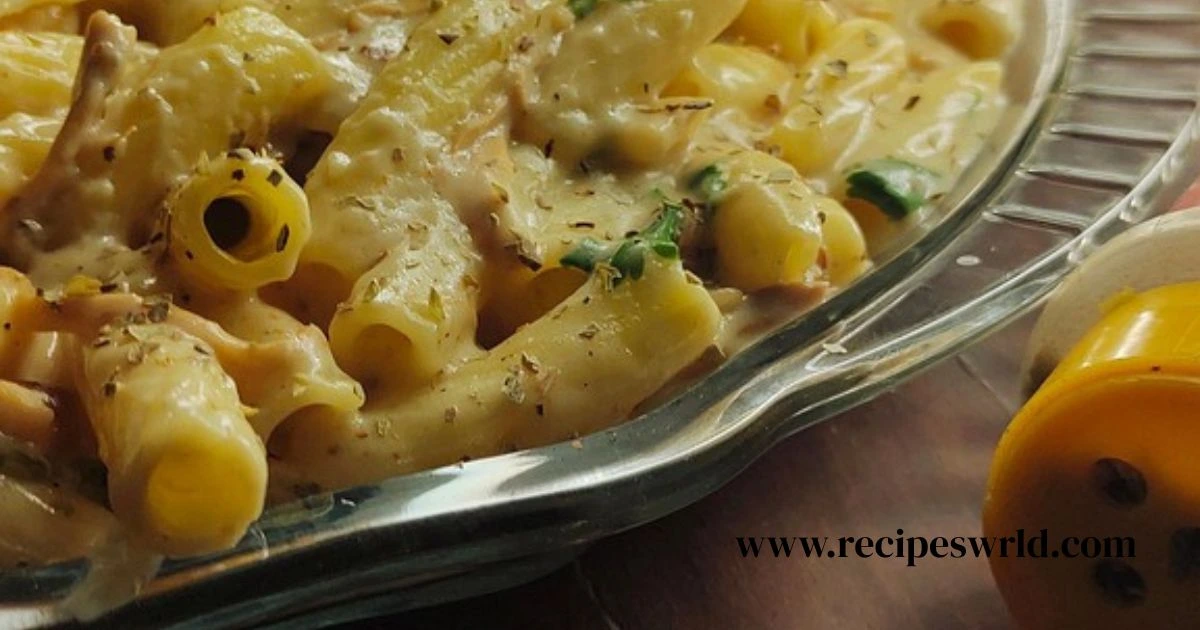
Dairy free mac and cheese – Discover how mac and cheese can be made without milk or cheese while staying flavorful.
Table of Contents
Dairy Free Mac and Cheese: Master the Art of Creamy Pasta Without Dairy
Have you ever felt that familiar pang when you couldn’t enjoy your favorite comfort food because of lactose intolerance or dietary choices? You’re not alone. Every year, millions of people navigate the world of modified recipes, hoping to recapture the magic of dishes they once loved without reservation.
The beautiful truth? Creating delicious dairy free mac and cheese that rivals traditional versions is entirely achievable. What once seemed impossible—crafting that coveted creamy sauce without milk or cheese—now belongs within your grasp through simple techniques and readily available ingredients.
Why Your Dairy Free Mac and Cheese Journey Matters
You might wonder why dairy free mac and cheese matters beyond just satisfying cravings. The numbers tell an important story. Research from the National Institutes of Health indicates that roughly 65 percent of the global population experiences reduced lactose tolerance after infancy. Additionally, rising awareness of dairy’s environmental impact and ethical concerns drives millions toward plant-based alternatives annually.
For your household, embracing dairy free options means:
- Creating inclusive meals where everyone at your table feels welcomed
- Discovering bold, innovative flavors that traditional recipes never explored
- Building confidence in adapting cherished comfort foods to your lifestyle
- Investing in your long-term health without sacrificing satisfaction
The shift toward dairy free living represents expansion, not limitation. Your mac and cheese can become extraordinary precisely because you’re rethinking every component.
Understanding What Makes Traditional Mac and Cheese So Challenging to Replace
Your first instinct when approaching dairy free mac and cheese might involve simple substitution—swap milk for plant-based alternatives and call it done. Yet this approach frequently disappoints. Understanding why requires examining what dairy brings to the table beyond flavor alone.
Butter and cream provide not just richness but a specific texture quality that creates mouthfeel. Cheese contributes both umami depth and natural emulsifiers that hold sauces together seamlessly. The combination creates a cohesive whole far greater than its individual parts. Your challenge, then, becomes replicating these functions through different mechanisms entirely.
This is where strategy surpasses guesswork. When you approach dairy free mac and cheese with intentional ingredient selection and proper technique, you aren’t settling for less—you’re building something distinctly your own.
The Plant-Based Milk That Actually Works for Your Sauce
Not all plant milks perform equally in dairy free mac and cheese. Your success depends significantly on selecting the right base.
Oat milk emerges as the most reliable choice for your kitchen. Its natural creaminess rivals dairy without requiring additional thickeners, and its neutral flavor profile won’t overshadow your sauce’s other components. When shopping, prioritize “barista blend” versions specifically formulated for cooking and heating applications.
Cashew cream delivers the richest texture your mac and cheese could achieve. Though requiring advance soaking, the payoff justifies the minimal effort. Soak two cups of raw cashews for thirty minutes, then blend with garlic, vegetable broth, and seasonings until silky smooth.
Coconut milk—specifically the full-fat canned variety—brings Ultra-creamy consistency to fusion-style preparations. One crucial tip: don’t shake the can. The thick cream rising to the top provides exactly the richness your sauce requires.
Avoid lower-fat options entirely. Your success hinges on adequate fat content for proper emulsification and mouthfeel.
Building Your Cheesy Flavor Without Cheese
Here’s where nutritional yeast becomes your secret weapon. This deactivated yeast, which you’ll find in most health food stores, imparts a distinctly savory, umami-forward “cheesy” character that transforms your sauce from acceptable to genuinely crave-worthy.
Yet nutritional yeast works most effectively when layered with complementary ingredients rather than standing alone. Your flavor-building strategy should combine:
- Nutritional yeast (½ to ¾ cup per pound of pasta) as your foundation
- Miso paste (white or red varieties) for depth and complexity
- Garlic (fresh or powder) for pungency and warmth
- Dijon mustard (one tablespoon) for tangy sophistication
- Smoked paprika (½ to 1 teaspoon) for subtle smokiness
This combination creates multiple flavor dimensions that your palate interprets as rich, satisfying “cheesiness” without relying on actual cheese.
Your Blueprint for Perfect Creamy Dairy Free Mac and Cheese
Follow this straightforward method for consistent results:
Start with your base. Heat three cups of oat milk or cashew cream in a medium saucepan over medium heat. Your temperature control matters—never allow the mixture to boil rapidly, as this risks curdling plant-based milk.
Create your thickener. Mix two tablespoons of cornstarch with two tablespoons of cold water until smooth, eliminating lumps. This slurry prevents the grainy texture that plague many dairy free attempts.
Build your sauce. Once your milk reaches gentle heat, slowly whisk in your cornstarch mixture while stirring constantly. Watch as the sauce thickens before your eyes within two to three minutes.
Layer your flavors. Remove from heat momentarily and stir in ¾ cup of nutritional yeast, two tablespoons of miso paste, one tablespoon of Dijon mustard, three minced garlic cloves, and one teaspoon of smoked paprika. Whisk thoroughly until completely combined.
Combine and serve. Fold your cooked pasta (one pound, drained) into the sauce. Stir gently for thirty seconds, allowing flavors to meld. If your sauce seems too thick, add reserved pasta water gradually until reaching desired consistency.
The entire process requires approximately twenty minutes, fitting seamlessly into weeknight dinner routines.
Preventing the Most Common Dairy Free Mac and Cheese Disasters
Your first attempt might not achieve perfection, and that’s entirely normal. Learning from common pitfalls accelerates your progress significantly.
If your sauce separates, you likely encountered temperature that climbed too high. Plant-based milks break apart differently than dairy when exposed to excessive heat. Solution: reheat gently on your stovetop with a splash of additional plant milk, stirring frequently. An immersion blender restores creaminess instantly.
If your sauce tastes thin and flavorless, you’ve probably under-seasoned. Your nutritional yeast quantity directly impacts the final result. Increase to the full ¾ cup recommendation and taste before serving. Umami ingredients like miso paste strengthen the overall flavor profile considerably.
If you achieve graininess rather than smoothness, your cornstarch mixture likely lacked proper distribution. Always combine your thickener with cold water separately before whisking into hot milk. This prevents clumping that results in unpleasant texture.
These adjustments become intuitive after one or two attempts. Your confidence grows with each batch.
Storage and Make-Ahead Strategies for Your Busy Life
Perhaps you’re wondering whether dairy free mac and cheese fits into realistic meal planning. The answer is absolutely yes. Your preparation flexibility exceeds many traditional recipes.
Store your finished dish in an airtight container for up to four days in your refrigerator. For longer storage, your freezer accommodates cooked mac and cheese for two to three months, though quality remains optimal at the two-month mark.
Here’s a professional tip: store your sauce separately from cooked pasta when possible. This separation prevents the pasta from absorbing excess moisture and becoming mushy over time. When you’re ready to eat, combine them while reheating gently on your stovetop, adding a splash of fresh plant milk to restore optimal creaminess.
Customizing Your Dairy Free Mac and Cheese to Match Your Preferences
Your dietary requirements and flavor preferences shape how you’ll approach this dish. Several modifications serve different needs excellently.
For gluten concerns, substitute chickpea pasta, Banza, or other legume-based options that provide superior nutrition. Your sauce naturally accommodates this swap without adjustment.
For nut allergies, build your base from sunflower seed cream or hemp seeds instead of cashews. Both deliver comparable richness while remaining safe for your household.
For increased protein, layer in cooked lentils, crumbled tofu, or tempeh bacon. High-protein pasta varieties also boost your nutritional profile substantially.
For vegetable incorporation, stir in steamed broccoli, sautéed mushrooms, or fresh spinach just before serving. Your mac and cheese transforms into a more complete meal while retaining its comforting essence.
Bringing Dairy Free Mac and Cheese to Your Table with Confidence
You now possess the knowledge, techniques, and troubleshooting strategies to create dairy free mac and cheese that genuinely delights. This isn’t about settling for less or making do with inferior substitutes. Rather, you’re embracing an opportunity to discover flavors and textures that traditional recipes never explored.
Your first batch might differ slightly from subsequent attempts as you adjust ratios to your personal preference. That’s not failure—that’s mastery developing through experience. Each iteration teaches you something valuable about how components interact, how heat affects texture, and what your family genuinely enjoys eating.
Whether you’re navigating lactose intolerance, exploring plant-based eating, or simply curious about expanding your culinary horizons, dairy free mac and cheese deserves a permanent place in your rotation. The investment of time and attention yields results that transform how you think about comfort food and dietary modifications.
Ready to revolutionize your mac and cheese experience? Select one of the recipes provided in the complete outline above and prepare your first batch this week. Share your results in the comments below—we’d genuinely love hearing about your favorite variations, flavor combinations, and the reactions from your family when they discover dairy free mac and cheese tastes this incredible. Your insights help others on their own dairy-free journey discover their perfect version of this beloved classic.